Navigating the Shift to Scalable Agentic AI in Business
By Editor • September 3, 2026 • 1 min read
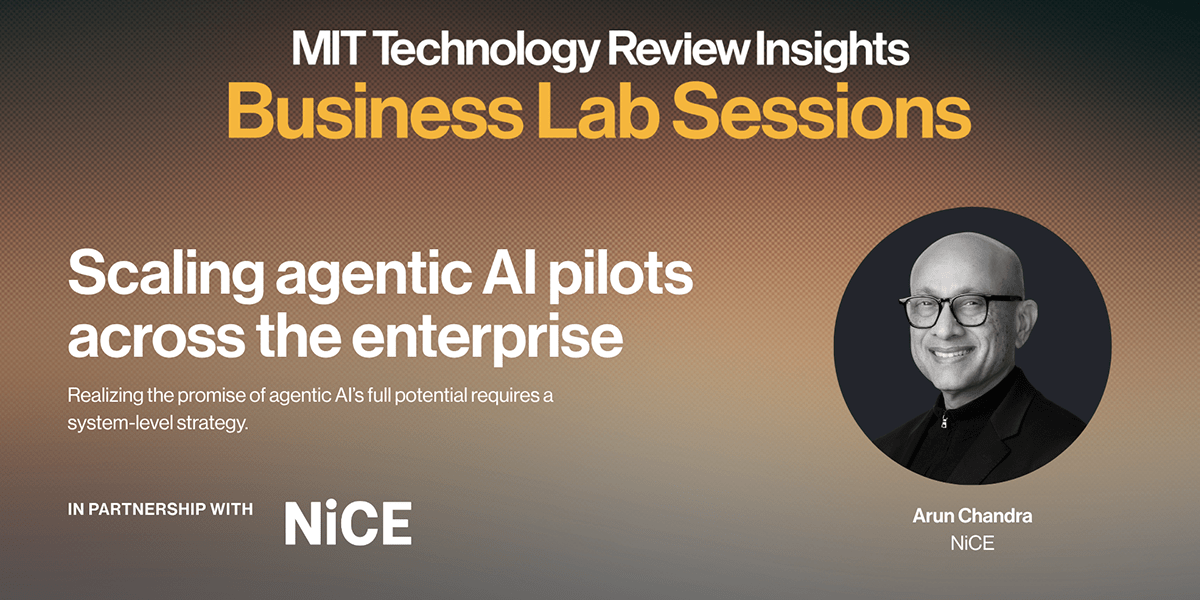
As agentic AI technology transitions from experimental phases to widespread enterprise implementation, companies face significant challenges. Achieving meaningful scalability requires a strategic alignment with business goals, according to Arun Chandra, COO of NiCE.
Chandra emphasizes that organizations must clearly define their objectives—whether it's boosting revenue or cutting costs—before integrating AI into their workflows. Simply layering AI on outdated processes can lead to inefficiencies.
For agentic AI to function effectively, it must operate as a cohesive system. This means ensuring agents have access to vital data and connections to backend systems. Chandra warns that fragmented information can diminish the effectiveness of AI agents, which rely heavily on context and knowledge.
Moreover, as businesses scale their AI capabilities, they must pay attention to governance, privacy, and change management. Chandra suggests that AI agents should be held to standards similar to human employees, blending human and AI workforces strategically. Ultimately, organizations should focus on high-value use cases to ensure a smooth transition from pilot programs to scalable solutions.
Source: www.technologyreview.com
#Agentic AI #AI Implementation #business strategy #Nice #Workflows