Nepal's Glacier Collapse: A Tragic Reminder of Inadequate Warning Systems
By Editor • September 4, 2026 • 1 min read
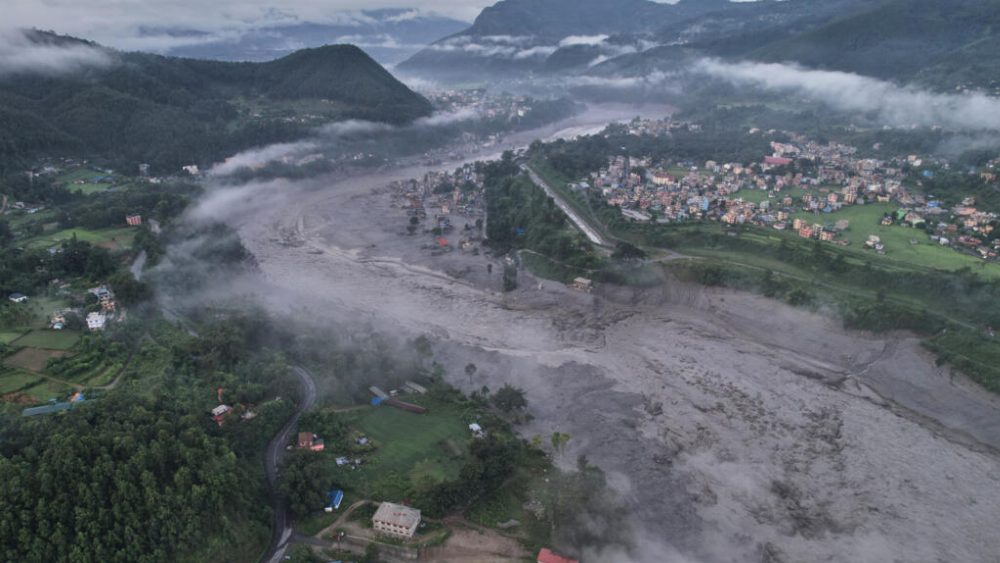
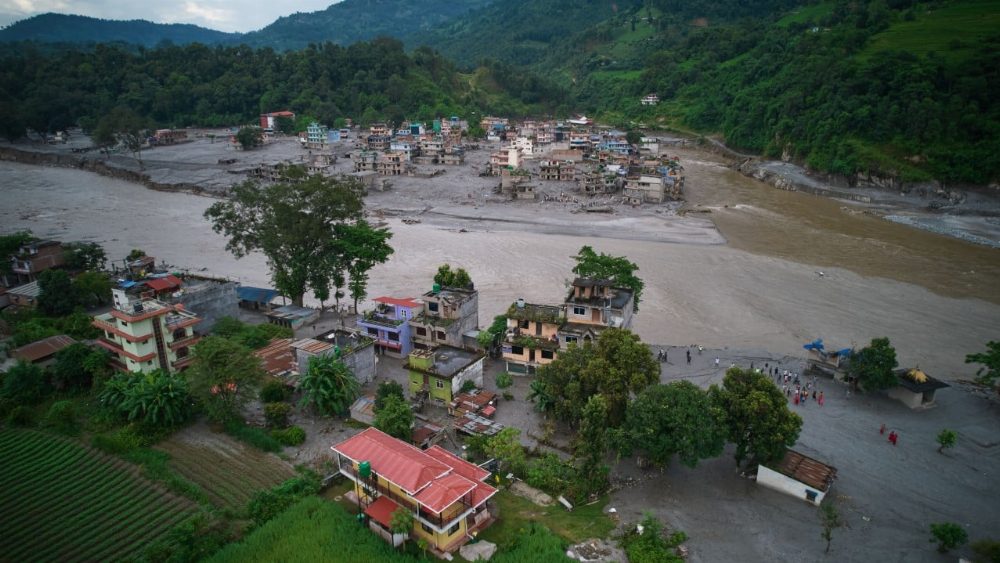
On August 26, a catastrophic glacier collapse in the Himalayas triggered devastating flash floods across Nepal and Tibet, resulting in more than 1,270 confirmed deaths and thousands still missing. The incident, which has left communities grappling with the aftermath, has raised urgent questions about the effectiveness of early warning systems in the region.
Delayed Alerts After Disaster Strikes
Following the glacier's collapse at 8:37 AM local time, the ensuing flash flood raced down the Trisuli river valley at an alarming speed of 193 kilometers per hour (120 mph). Alarmingly, the first alerts from Nepal's Department of Hydrology and Meteorology reached local communities only 38 minutes after the disaster struck, far too late for many to evacuate safely. Authorities estimate that at least 20,000 homes will need to be rebuilt, underscoring the scale of destruction.
Experts Call for Improved Monitoring Technology
The HiRISK consortium's report indicates that while certain early warning systems have been established for glacial lakes in China, similar measures for glacier collapses in Nepal remain virtually non-existent. Experts emphasize that the rapid nature of glacier collapses makes traditional warning systems inadequate. Manoochehr Shirzaei, a geophysicist at Virginia Tech, noted that satellite images had shown alarming signs of glacier movement prior to the event, yet the technology to predict such disasters remains insufficiently developed in the region.
The Need for Comprehensive Disaster Management
Prashidha Khatiwada, a structural and seismic engineer, pointed out that the tragedy highlights the critical need for more resilient monitoring systems in Nepal. He advocates for a layered approach that includes automated alerts through various channels, such as sirens and local task forces. Experts agree that effective disaster management must also involve cross-border cooperation between Nepal and China, particularly in sharing crucial data that could help safeguard communities in high-risk areas.
Source: www.france24.com
#early warning systems #flash floods #glacier collapse #Himalayas #Nepal