Nutrition Crisis in Pakistan: Experts Call for Major Policy Reforms at Islamabad Conference
By Editor • September 3, 2026 • 2 min read
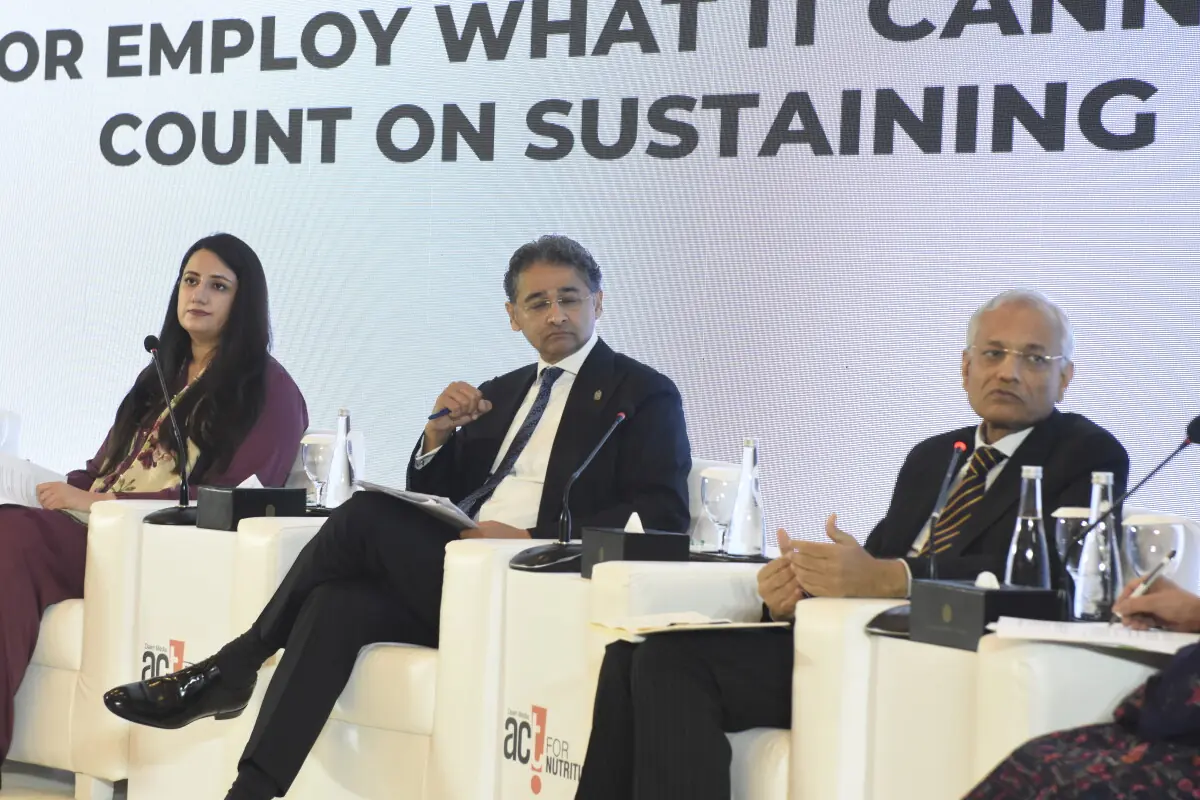
The ongoing ‘Act For Nutrition’ conference in Islamabad is shining a spotlight on Pakistan's dire nutrition crisis, particularly the alarming rates of stunting among children. As the event unfolds at the Serena Hotel, experts warn that the nation is grappling with a staggering $17 billion annual cost due to malnutrition.
Dr. Shabana Haider from the Planning Commission emphasized that addressing these nutritional challenges necessitates a focus on population dynamics. She criticized the lack of prioritization in policy frameworks, stating, “We are very good at framing policies… this has to change.”
In a related session, Dr. Fazal Majeed, Director of Nutrition for Khyber Pakhtunkhwa, pointed out the interconnection between malnutrition and family planning. He revealed that the stunting rate in the province's merged districts is a striking 48%, while almost 40% of reproductive-age women are anaemic. “Malnutrition, family planning… are interlinked,” he remarked, highlighting barriers such as fragmented services and security issues.
Dr. Talib Lashari, a public health expert, criticized Pakistan’s health programs as historically isolated, stating that although well-designed, they were poorly implemented. This isolation hinders effective collaboration between nutrition and family planning efforts.
Adnan Pasha Siddiqui, adviser to the Minister of Finance, called for a significant reclassification of nutrition in fiscal terms. He argued that it should be treated as a capital expenditure rather than a mere expense. “Every rupee that is withheld from a pregnant woman's diet is a deduction from the country’s gross domestic product in the future,” he stated, emphasizing that the current approach suppresses investment narratives.
Siddiqui further noted that the consequences of malnutrition extend beyond health, representing a structural liability to the nation’s credit profile. He pointed out that South Asia's labor productivity is adversely affected by poor nutrition, reinforcing the urgent need for a unified approach to tackle these issues.
World Bank official Sara Shahzad emphasized the importance of viewing nutrition through a human capital lens, particularly in relation to child stunting. She highlighted that a significant portion of stunting occurs before birth, making the first 1,000 days of a child’s life critical, alongside the adolescent period.
Dr. Ali Mir from the Population Council lamented Pakistan's history of inconsistent population policies, which often lead to repeated mistakes. However, he noted positive developments with the establishment of the Population Council, indicating a shift towards more cohesive strategies.
As the conference progresses, discussions continue on the multifaceted nature of nutrition, which Dr. Saima Hamid of the Population Council described as not just an isolated event but a complex intersection of health, food security, and socio-economic factors. With Pakistan's population expected to double in 28 years, the burden on resources will only intensify, necessitating immediate and effective action.
Source: www.dawn.com