Philippine Peso Hits All-Time Low Amid Economic Turmoil
By Editor • September 4, 2026 • 2 min read
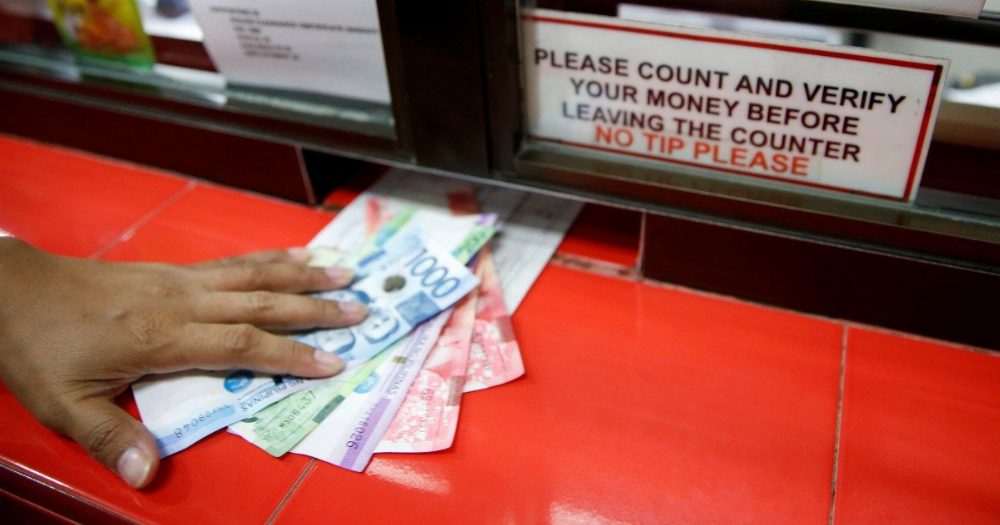
The Philippine peso has plunged to unprecedented lows, reaching 62.71 to the US dollar on Friday, marking a significant decline driven by both domestic economic challenges and international geopolitical tensions.
Economic Factors Behind the Decline
Since the beginning of 2023, the peso has depreciated by approximately 6% against the dollar. This downward trend has been exacerbated by rising oil prices and the ongoing US-Israel conflict impacting the Middle East. Prior to this, the peso had already set a record low of 61.847 on July 24, which was succeeded by a further dip to 62.265 and then 62.565 earlier in the week.
The Philippine economy has been grappling with a significant trade deficit and strained public finances. Philip McNicholas, an Asia sovereign strategist at Robeco Singapore, noted that the peso's weakness is primarily due to the country's fiscal and current account deficits, along with rising inflation, which the Bangko Sentral ng Pilipinas is currently trying to manage. As global risk sentiment shifts, the peso has become increasingly vulnerable.
Impact of Rising Oil Prices
The situation has worsened for the peso as the Philippines relies heavily on oil imports from the Gulf region, which have become increasingly costly due to rising prices. The country declared a national emergency in March when disruptions in the Strait of Hormuz triggered supply challenges. Consequently, importers have needed to convert more pesos into dollars to afford crude oil, further driving down the peso's value.
Analysts warn that if oil prices remain elevated, the peso could fall even further, potentially surpassing the 63.00 mark against the dollar. Ashwin Binwani, founder of Alpha Binwani Capital, highlighted that persistent currency weakness combined with high oil prices and inflation could lead to significant economic damage.
Mixed Effects on the Philippine Economy
While a depreciating currency can enhance export competitiveness and support tourism, it also raises import costs, which can lead to inflation. The current inflation rate in the Philippines stands at 6.1%, notably higher than its regional counterparts and significantly above the central bank's target of around 3%.
On a positive note, the substantial remittances from over two million Filipinos working abroad—amounting to a record $35.63 billion last year—serve as a stabilizing force for the peso. Nonetheless, these remittances only provide partial protection against the adverse effects of currency depreciation on household expenses, particularly for imported goods and energy.
Source: www.aljazeera.com
#currency #inflation #oil prices #peso #Philippines #remittances