Prediction Markets Face Scrutiny Amid Insider Trading Crackdown
By Editor • September 2, 2026 • 3 min read
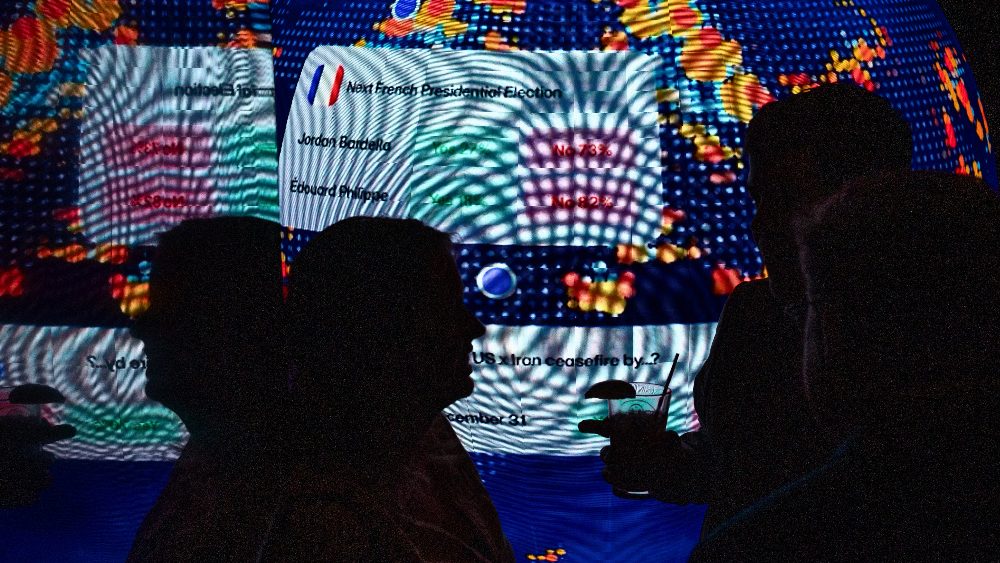
The world of prediction markets, where users place bets on future events, is undergoing increased scrutiny as issues of insider trading come to the forefront. Kalshi, a leading prediction market platform, recently imposed a lifetime ban on former Representative George Santos after he allegedly profited from betting on his absence from President Trump’s State of the Union address. Santos reportedly earned around $17,000 from this wager, prompting Kalshi to notify federal regulators.
In July, the Commodity Futures Trading Commission (CFTC) fined Santos for his actions, marking a significant enforcement step in the regulation of prediction markets. Kalshi's CEO Tarek Mansour emphasized the platform's commitment to maintaining integrity, declaring that insider trading is strictly prohibited.
As prediction markets gain popularity, with trading volumes on Kalshi and Polymarket soaring to over $200 billion and $100 billion respectively in 2023, the distinction between these platforms and traditional gambling sites has become increasingly blurred. Mansour and other industry leaders argue that their services provide valuable insights into future trends, rather than merely facilitating gambling. However, this argument faces challenges as the industry grapples with regulatory compliance and ethical standards.
Recent events have highlighted a growing tension in the industry regarding insider trading. With lawmakers scrutinizing high-profile bets, including a significant wager tied to the removal of former Venezuelan President Nicolás Maduro, both Kalshi and Polymarket have ramped up efforts to prevent insider trading. In one notable case, a trader reportedly made over $400,000 betting on Maduro's downfall, leading to a federal indictment of a soldier involved in the operation.
Polymarket, which only formally banned insider trading in March, has faced criticism for its initial lax approach. CEO Shayne Coplan previously suggested that allowing insider information could enhance market accuracy, a stance that raised eyebrows among regulators and observers alike. In contrast, Kalshi has taken a firmer stance against insider trading, although the enforcement of penalties appears inconsistent.
This year has seen both platforms facing increased scrutiny. Kalshi's recent actions against Santos and other public figures accused of insider trading reflect a shift in strategy aimed at compliance and transparency. A candidate from North Carolina admitted to betting on her own election race, calling it a "dumb mistake," while Trump’s teleprompter operator settled claims related to betting on the president's speech content.
As regulators grapple with how to classify prediction markets, the industry is left in a state of uncertainty. Currently, 20 states are involved in legal disputes about whether these platforms should be treated like traditional sportsbooks. The CFTC has defended the industry, suing states that challenge its jurisdiction, but the lack of a unified regulatory approach complicates matters further.
Polymarket operates an international platform that escapes CFTC oversight, adding another layer of complexity to the regulatory landscape. While both companies strive to present themselves as legitimate forecasting tools rather than gambling venues, they risk running afoul of regulations that could reshape their business models.
With insider trading firmly on regulators' radar, Kalshi and Polymarket are navigating a critical juncture. Stricter enforcement of insider trading rules may help these companies maintain a good relationship with the federal government and instill public confidence. However, as they redefine their identities, the industry must confront the reality of being perceived as gambling platforms.
Source: www.theatlantic.com
#CFTC #George Santos #insider trading #Kalshi #Polymarket #prediction markets