Public Servant's Pro-Stadium Piece Raises Ethical Questions
By Editor • September 2, 2026 • 3 min read
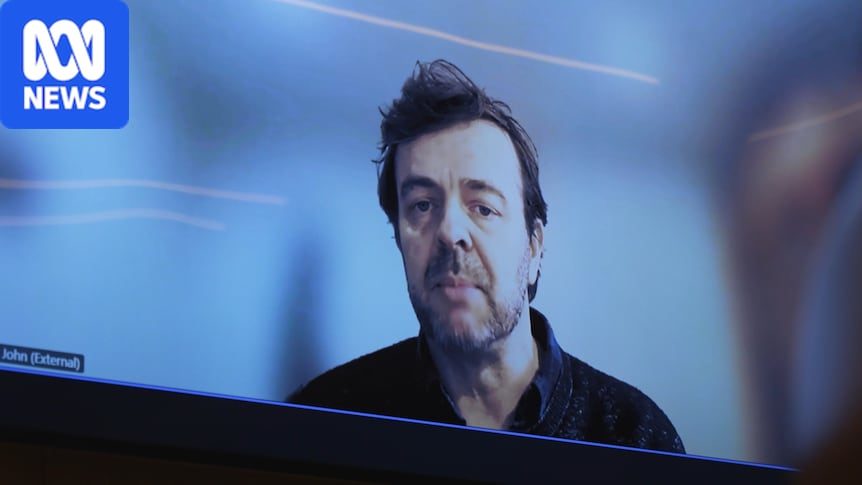
A recent 3,000-word opinion article advocating for the Macquarie Point stadium in Tasmania has sparked controversy over its origins and the involvement of external parties. John Perry, the state’s Coordinator-General, penned the piece, which was published in The Mercury less than two months before a critical parliamentary vote. While the government maintains that Perry's work was independent, internal communications reveal that both the Tasmania Devils AFL football club and Master Builders Tasmania played significant roles in shaping the opinion piece.
Emails obtained by the ABC illustrate that the Tasmania Devils had access to draft versions of Perry's article, allowing them to provide feedback and influence its content before it was publicly released. This raises concerns about whether Perry adhered to the State Service's principles of impartiality and apolitical conduct, particularly since his role is primarily to attract private investment.
In the opinion piece, published on October 11, 2025, Perry made bold economic predictions, estimating that the benefits of the proposed $875 million stadium investment could yield a return exceeding six times the government's own estimates. He questioned whether the state could afford to forgo such an opportunity, clearly positioning himself in favor of the project's approval.
However, the process leading up to the publication of the article raises ethical red flags. Emails show that Perry was already collaborating with the Tasmania Devils as early as August 2025, sharing drafts and seeking input from their marketing manager, Kathryn McCann. Their exchanges hint at a coordinated effort to refine the narrative to counter prevalent skepticism about the stadium's financial viability.
Moreover, the involvement of Master Builders Tasmania further complicates the narrative. Perry not only consulted their CEO, Jenna Cairney, for feedback on multiple drafts but also collaborated with her on a media strategy. Cairney's insights included suggestions for framing the article's content to maximize its impact in public discourse.
Despite this collaboration, when questioned in parliament, Perry insisted that the opinion piece was not requested by the government and that he had shared it internally only after its completion. He acknowledged seeking input from various external parties, including the football club, but did not disclose the extent of their influence in the article’s development.
Furthermore, it appears Perry had intentions to brief select upper house members on his findings to garner support for the stadium. This selective outreach, which deviates from standard practice, was reportedly suggested by the Tasmania Devils, further blurring the lines between his public service duties and political lobbying.
The government has defended Perry's actions, stating that he conducted his work in line with his responsibilities to assess the economic impact of such investments. However, the lack of formal approval documentation for his opinion piece raises questions about the transparency of the process and the ethical implications of his public advocacy.
As the upper house ultimately passed the stadium proposal in December, the fallout from Perry’s article and the revelations about its development continue to resonate in Tasmania's political landscape, prompting discussions about the role of public servants in advocating for government projects.
Source: www.abc.net.au
#government ethics #John Perry #Macquarie Point #opinion piece #Tasmania Devils