Revolutionizing Organ Transplants: How Perfusion Machines Make Donated Livers Younger
By Editor • September 14, 2026 • 2 min read
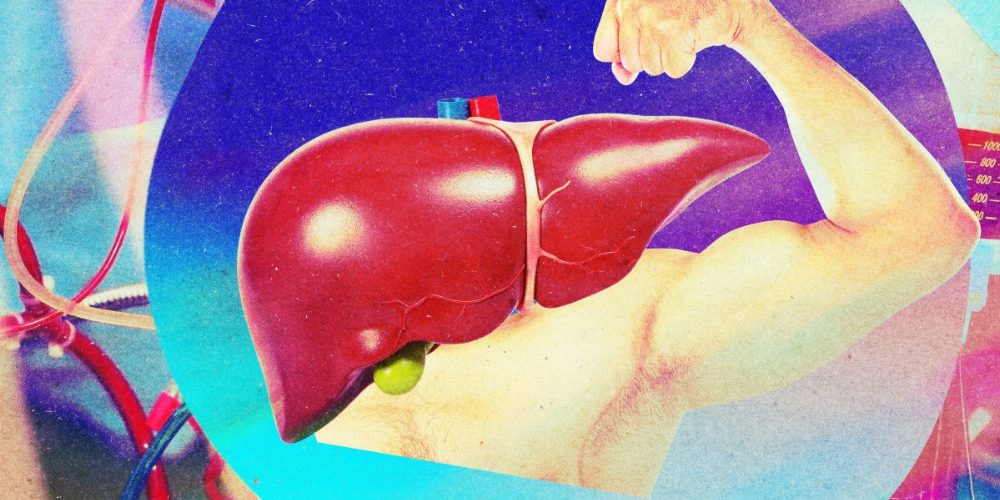
In an exciting breakthrough for transplant medicine, researchers have discovered that donated livers can undergo a biological rejuvenation process when subjected to machine perfusion. This innovative method not only preserves the organs but may also enhance their viability post-transplant.
The Science Behind Perfusion
When a liver is retrieved from a donor, its health begins to decline immediately as it is preserved in a cooling solution. Traditionally, this process limits the time available for transplantation. However, some hospitals have started using perfusion machines that circulate nutrients and oxygen through the organ, effectively mimicking conditions within the body. This technique has gained traction, particularly for livers that are not in optimal condition.
Research led by Jesse Poganik and colleagues at Brigham and Women’s Hospital revealed that these perfusion machines can significantly lower the biological age of the livers. In a study involving 37 samples from 19 livers, the team found that the biological markers of livers that underwent perfusion were notably younger than those merely stored on ice.
Implications for Transplant Success
Following further analysis of 208 samples from 103 livers, the researchers confirmed these findings through various aging clocks that assess gene activity. The results indicated that machine-perfused livers exhibited a decline in biological age, which could translate to improved success rates after transplantation. As Poganik noted, this could lead to a more effective utilization of organs that would previously have been discarded.
Despite the promising results, the long-term implications for recipients remain unclear, particularly for organs from older donors. Nathanael Raschzok, a transplant surgeon from Germany, emphasized the need for more research to understand the effects of perfusion on livers from elderly donors, who are increasingly common in transplant scenarios.
Future Directions in Organ Preservation
While perfusion has shown transformative potential in the field of transplantation, it is also accompanied by high costs, reaching up to $100,000 in the United States. As researchers like Yeh and Poganik explore drug treatments that could replicate the effects of perfusion at a lower cost, the future looks promising for enhancing the viability of donated organs. The ability to assess biological age could revolutionize how transplant teams select organs, ultimately leading to better outcomes for patients in need.
Source: www.technologyreview.com
#biological age #liver perfusion #medical research #organ transplantation #transplant surgery