Rural Health Leaders Voice Concerns Over AI Solutions Amid Funding Cuts
By Editor • September 10, 2026 • 1 min read
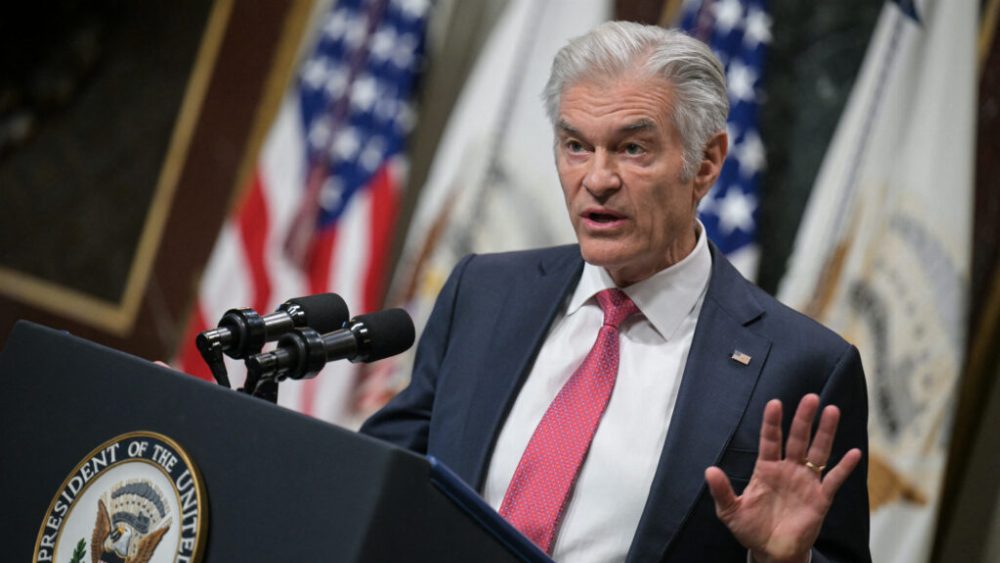
In a time where technological advancements are often hailed as the future of healthcare, rural health leaders are expressing skepticism about the role of artificial intelligence (AI) in addressing their unique challenges. Despite enthusiasm from some officials, including Mehmet Oz, head of the Centers for Medicare and Medicaid Services, a significant number of rural providers are wary that AI will not bridge the financial gaps exacerbated by recent Medicaid cuts.
Concerns About Funding and Inequality
With $1 trillion in Medicaid cuts looming over the next decade, rural healthcare facilities have been grappling with financial strain for years. While AI has potential in areas like prescription management and patient care prioritization, there are fears that its implementation could deepen the disparities between urban and rural healthcare systems. Rural health leaders worry that the investment in AI might divert crucial resources away from more immediate needs.
AI's Complex Role in Healthcare
AI technology thrives on large datasets and clear decision-making parameters, yet it may falter in more nuanced medical assessments. For instance, determining which patients qualify for exemptions due to 'medical frailty' is a subjective judgment that AI may not handle effectively. This has left many in the rural health sector questioning whether the promised benefits of AI will materialize in their communities.
Government Initiatives and Innovations
Despite these concerns, the Trump administration is pushing forward with initiatives aimed at leveraging AI to improve healthcare access. A notable example is ARPA-H's recent commitment of $62.7 million to develop AI bots that would assist in the treatment of heart failure. Designed to aid the 6.7 million Americans suffering from this condition, these AI tools aim to improve treatment accessibility in underserved regions. However, how these innovations will be received on the ground remains to be seen.
Source: www.statnews.com