Russian Filmmakers Navigate a New Era Amid Ongoing Conflict
By Editor • September 6, 2026 • 2 min read
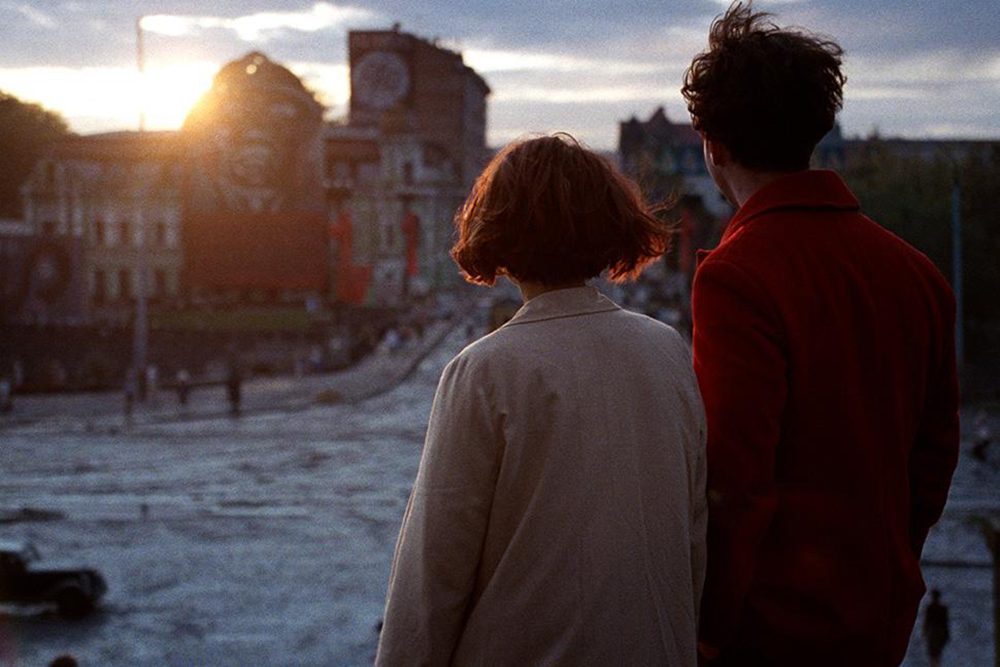
As the ongoing conflict in Ukraine stretches into its fifth year, the landscape of international cinema is shifting, with Russian filmmakers gradually reintegrating into the global film community. The Venice Film Festival recently sparked controversy by including Ilya Khrzhanovsky's film "DAU" in its main competition, stirring debate over the implications of showcasing Russian talent amidst the backdrop of war.
The Ukrainian Ministries of Foreign Affairs and Culture, alongside the Ukrainian Embassy in Italy, publicly condemned the festival's decision. They asserted that selecting a film linked to Russian state interests only serves to "restore respectability" to a regime facing international backlash. In defense, Venice artistic director Alberto Barbera clarified that "DAU" is not a pro-Putin film, while Khrzhanovsky vehemently denied any state backing, emphasizing his support for Ukraine since the onset of the war.
Exile and Identity in Film
The current climate of Russian cinema is marked by a significant exodus of filmmakers who have fled the country, either in protest or due to fears of repression. This diaspora, which has established communities across cities like Tbilisi, Paris, Berlin, and Los Angeles, is often characterized by a duality of identity. Alexander Rodnyansky, an Oscar-nominated filmmaker, highlighted this divide, stating, "There are two Russias right now"—one under the control of a repressive regime and another existing outside its borders.
A Shift in Cultural Dynamics
Despite the challenges, Russian filmmakers are finding new platforms for their work. In recent months, several directors have received accolades at prestigious festivals, signaling a potential thaw in cultural relations. For instance, Nastia Korkia's "Short Summer" and Andrey Zvyagintsev's "Minotaur" have both garnered recognition in Venice and Cannes, respectively.
Filmmakers are also embracing opportunities for reinvention in new cultural contexts. Projects like Kantemir Balagov's "Butterfly Jam" and Kirill Sokolov's dark comedy "They Will Kill You" reflect a shift in storytelling, often set in immigrant communities or exploring themes of displacement. With new productions financed outside of Russia, the ties to the Kremlin are weakening, allowing for a more nuanced representation of Russian voices in global cinema.
Source: variety.com
#exile #film industry #Ilya Khrzhanovsky #Russian cinema #Ukraine #Venice Film Festival