Soaring Fertilizer Prices: Farmers Face Tough Choices Amid Fossil Fuel Crisis
By Editor • September 3, 2026 • 2 min read
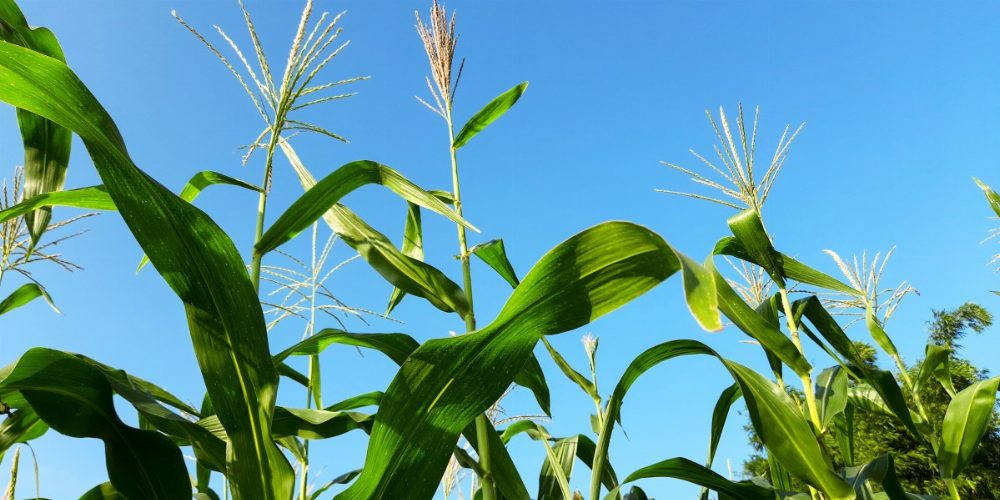
As the conflict in Iran continues to unfold, the impact is rippling through global markets, particularly affecting farmers who rely on fertilizer for crop production. Fertilizer prices have surged this year, driven by both trade disruptions and rocketing natural gas prices, a crucial component in fertilizer manufacturing.
The volatility of fossil fuel prices has a profound influence on various sectors, but the fertilizer market is particularly sensitive. Natural gas is both an energy source and a chemical input for ammonia, a key ingredient in fertilizers. The ongoing war in Iran has pushed natural gas prices higher, leading to skyrocketing fertilizer costs. In April, the price of urea, a widely used fertilizer, peaked at over $850 per metric ton—an 80% increase from pre-conflict levels and the highest since the turmoil following Russia's invasion of Ukraine in 2022.
Adding to the crisis, approximately one-third of the world’s fertilizer trade transits through the Strait of Hormuz, which has been largely closed to commercial shipping due to the conflict. This situation could severely restrict fertilizer access for many impoverished nations, as highlighted by a World Bank report. Although the U.S. can largely fulfill its nitrogen fertilizer needs through domestic production, some imports still come from the Persian Gulf.
In light of these challenges, companies like Pivot Bio are stepping in with alternatives to traditional fertilizers. Their products, developed using genetically edited microbes, are not dependent on natural gas and have been touted as cost-competitive with conventional fertilizers. Following the escalation of the conflict, Pivot Bio increased production and lowered prices, allowing farmers to lock in prices for three years.
Despite some recent price reductions, experts warn that high fertilizer costs may persist, with forecasts suggesting elevated prices through at least 2028. Tim Schnabel, CEO of Switch Bioworks, emphasizes the urgency of transforming fertilizer production, stating, "We can’t keep doing it like this. There’s no way we can build a society where the basis of the food chain depends on fossil fuels."
Source: www.technologyreview.com
#agriculture #fertilizer #fossil fuels #Iran Conflict #Pivot Bio