South Africa's Cap Classique Poised to Benefit from French Champagne Shortage
By Editor • September 10, 2026 • 2 min read
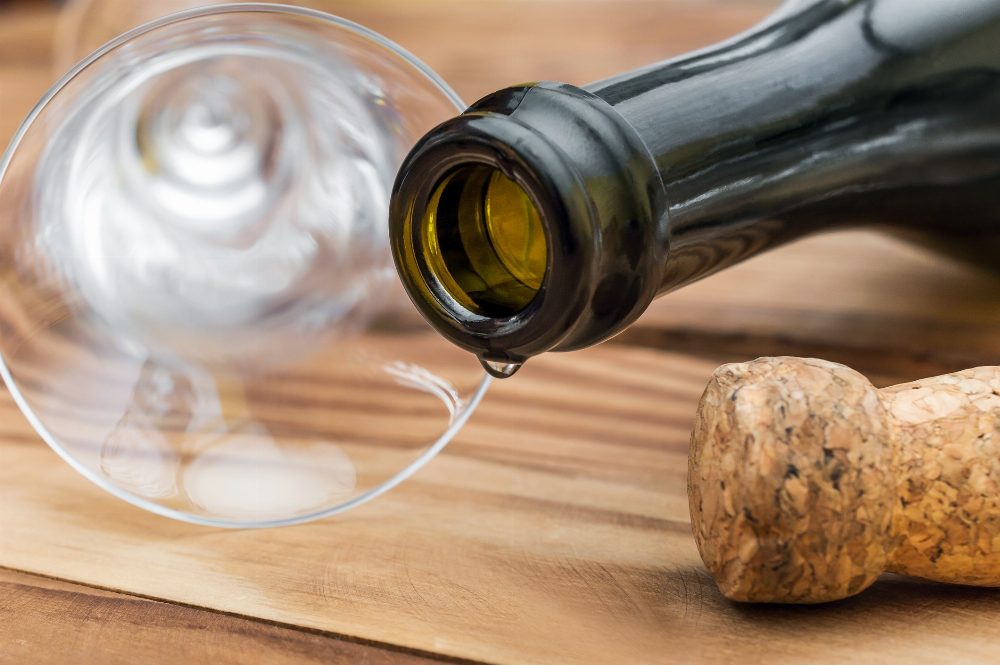
The French Champagne industry is grappling with a significant production decrease due to extreme weather conditions, creating an unexpected opportunity for South Africa's Cap Classique sparkling wine.
According to France’s Ministry of Agriculture, wine output for 2026 is projected to drop by 6% from the previous year, with the Champagne region facing a staggering 49% decrease compared to 2025. This slump is largely attributed to record heatwaves, prolonged summer droughts, and unseasonal frosts that have disrupted the growing cycle and grape maturation.
Extreme Challenges in Champagne
Maxime Toubart, co-president of Comité Champagne (CIVC), expressed candidly that the industry was unprepared for the early harvest forced by rapid grape maturation. While sunny weather has typically ensured high-quality grapes, the extreme heat has led to elevated alcohol levels, complicating fermentation processes.
To mitigate the impact of reduced production, Champagne houses are expected to rely heavily on reserve wines. However, some producers may opt to limit their withdrawals to preserve stocks for future blends, anticipating ongoing economic challenges that include declining global wine consumption and rising inflation.
Cap Classique's Promising Outlook
In contrast, South Africa is entering an early harvest as El Niño affects its climate. Viticulturists are optimistic, noting that Cap Classique grapes are less susceptible to late-summer heat stress due to their early harvest schedule. Bennie Liebenberg from Spier Wines highlighted that stringent resource management practices are fundamental to maintaining vineyard health during dry spells.
As international markets experience turbulence, South Africa's Cap Classique is gaining traction. With local consumers favoring domestic bubbly over imported Champagne at a striking ratio of 4.5:1, the Cape’s sparkling wine is set for growth. Sales figures indicate that Cap Classique production has doubled every 4.5 years, reaching an impressive 10.2-11 million bottles annually.
Furthermore, the Cap Classique Producers’ Association has recently implemented regulations to enhance quality, requiring a minimum aging period on the lees and whole-bunch pressing. These improvements elevate Cap Classique's profile, positioning it as an attractive alternative to Champagne, especially in markets like the UK.
Source: www.dailymaverick.co.za
#Cap Classique #Champagne #El Niño #South Africa #Wine Production