The Cilantro Conundrum: Genetics and Your Taste Preferences
By Editor • September 3, 2026 • 1 min read
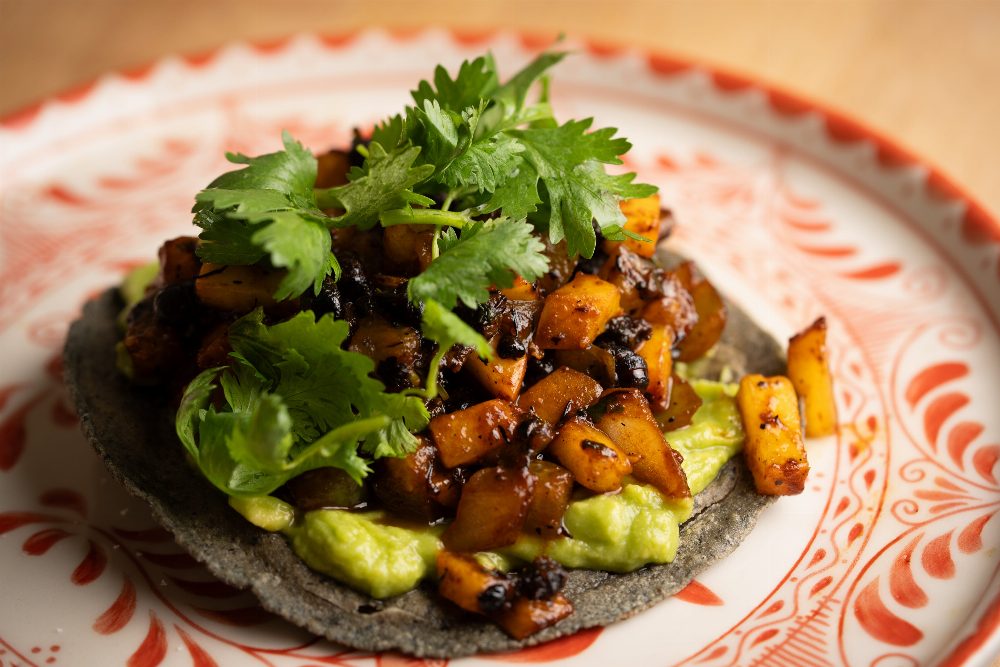
The complex relationship between cilantro and our taste buds may be influenced by more than just personal preference; genetics play a significant role in how we perceive this polarizing herb. For many, like myself, cilantro evokes a soapy flavor rather than the fresh, aromatic experience others rave about.
Dr. William Li, an expert in the field, explains that certain genetic variants affect how we perceive the aroma of cilantro, specifically its aldehydes. These chemicals can be interpreted as either citrusy or soap-like, depending on one's genetic makeup. This genetic predisposition explains why some individuals find cilantro off-putting, while others enjoy its distinctive flavor.
However, our experiences with food are not solely dictated by genetics. Dr. John Hayes from Penn State highlights the importance of cultural background, personal experiences, and even personality traits in shaping our food preferences. This means that repeated exposure to cilantro, especially in a cultural context where it is commonly used, can alter one's perception over time.
Though many believe their aversion to cilantro is fixed, Dr. Li reassures that it is possible to change our relationship with the herb. By regularly incorporating cilantro into meals, one might gradually acclimate to its flavor. Nevertheless, there’s no guaranteed timeline for this adjustment—some may adapt quickly, while others may never come to enjoy it. The key takeaway? Our diverse culinary experiences are what make us unique.
Source: www.delish.com
#cilantro #cultural background #food preferences #genetics #taste