The Phantom 'Censorship-Industrial Complex' Unraveled
By Editor • September 2, 2026 • 2 min read
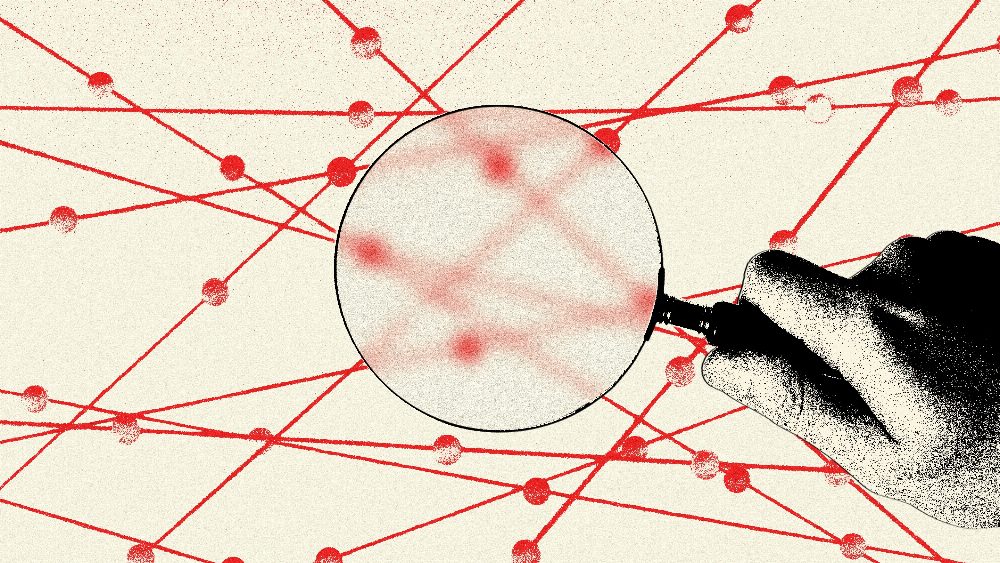
In a saga that has unfolded over the last year and a half, the Trump administration has launched a sweeping investigation into an alleged 'censorship-industrial complex' purportedly orchestrated by the Biden administration. The inquiry, led by political appointees at the State Department, aimed to expose a clandestine network purportedly suppressing conservative voices across America.
At the heart of this inquiry was Darren Beattie, a former undersecretary of state for public diplomacy and founder of a far-right conspiracy website. He sought extensive files on individuals linked to the now-defunct Global Engagement Center (GEC), which was primarily focused on countering foreign disinformation from countries like Russia and China. Among those scrutinized were prominent figures such as Bill Gates and Bill Kristol, and even journalists who reported on these issues.
Despite the lengthy investigation, no evidence has emerged to substantiate claims of a widespread censorship scheme. Multiple lawsuits, including one that reached the Supreme Court, have failed to uncover any verifiable acts of censorship by the government. A notable case against a Stanford research project was dismissed after a judge found it lacked standing and evidence, leaving the accusations against the Biden administration unproven.
Recently, Sarah Rogers, Beattie's successor, attempted to shed light on the investigation's findings but only managed to leak documents to a controversial internet figure known as DataRepublican. However, the intended revelations fell flat when the documents failed to show any evidence of censorship. Instead, they highlighted interactions between GEC officials and academic researchers focused on foreign disinformation.
In a puzzling twist, Rogers publicly shared these documents, which included uncontextualized screenshots and misleading interpretations. She claimed that certain communications were indicative of conspiratorial agendas, but critics have pointed out that these claims lack substantiation. For instance, Rogers misrepresented a report on gendered disinformation as evidence of the censorship complex, despite its legitimate focus on combating online harassment against female politicians.
The ramifications of this inquiry have already impacted real lives. In April 2025, Secretary of State Marco Rubio announced the closure of the GEC, accusing it of suppressing American voices. This assertion has since been debunked, as the GEC was instrumental in tracking foreign disinformation operations. The closure not only undermines the efforts to combat such disinformation but also raises questions about the accountability of those who perpetuated these unfounded claims.
As the dust settles on this investigation, the narrative surrounding the 'censorship-industrial complex' appears to be more fiction than fact. The absence of concrete evidence supporting these claims suggests that the ideological battles within U.S. politics can sometimes overshadow the truth, leaving critical institutions vulnerable and unprotected against genuine threats.
Source: www.theatlantic.com
#censorship #disinformation #Global Engagement Center #State Department #Trump administration