The Rising Tide of Europe's Far Right: Implications for Russia
By Editor • September 10, 2026 • 2 min read
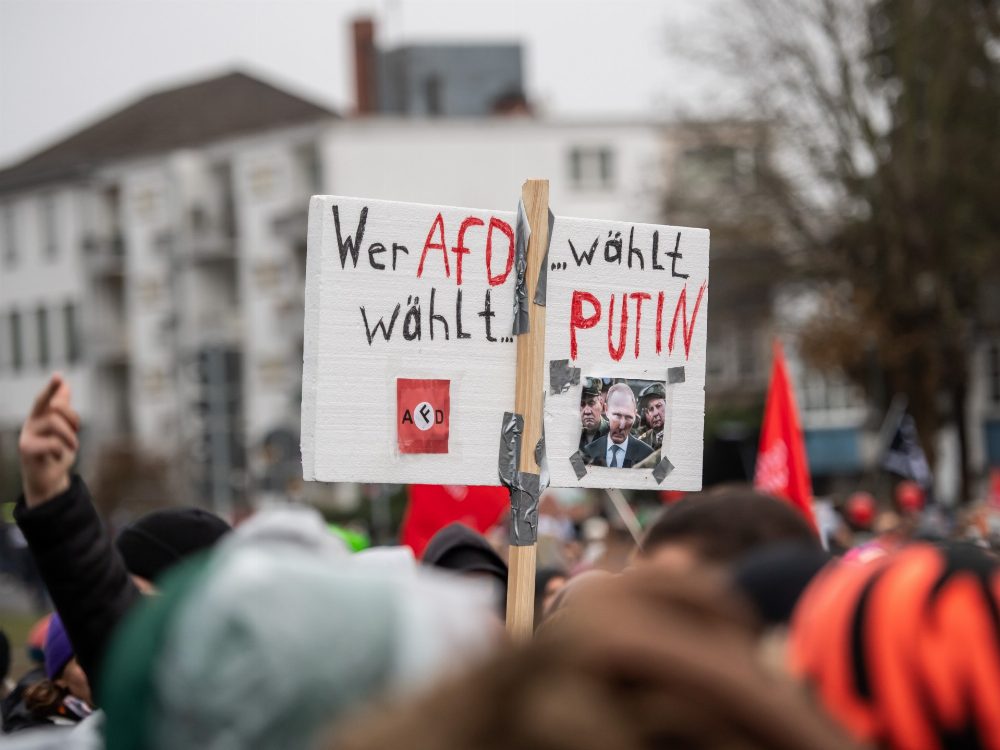
Recent political developments in Europe have raised eyebrows in the Kremlin, particularly with the Alternative for Germany (AfD) party's impressive performance in the Saxony-Anhalt elections. This victory signifies a potential shift towards a Russia-friendly regime in a key European Union member state, which could significantly alter the continent's political landscape.
AfD's Momentum
The AfD is currently riding a wave of support, bolstered by widespread discontent with Chancellor Friedrich Merz's administration. Promising to address immigration, LGBTQ rights, and renewable energy policies, the far-right party has established a firm foothold in East Germany, having already triumphed in the provincial elections in Thuringia in 2024. Nationally, polls suggest that the AfD is outpacing the Christian Democratic Union (CDU) by a margin of six to seven percentage points, positioning it to potentially dominate the next Bundestag.
Coalition Possibilities and Russia's Role
The potential for AfD to lead a coalition government raises concerns about its alignment with Russia. The party has expressed interest in forging connections with leftist factions like the Sahra Wagenknecht Alliance (BSW), which shares similar views on military aid to Ukraine and EU sanctions. This collaboration could mirror the policies of Hungary's Viktor Orban and present a unified front that aligns with Putin's vision for Europe.
The French Factor
While Germany's political scene is shifting, France's future remains uncertain. President Emmanuel Macron's exit could pave the way for Marine Le Pen's National Rally, which, despite its nuanced stance on military aid to Ukraine, aligns with anti-EU sentiments. The prospect of a nationalist leader in France complicates the EU's strategy for a cohesive foreign policy, particularly regarding Russia. The potential for Le Pen's government to freeze EU enlargement initiatives could further embolden Moscow's influence in the region.
Though the rise of populist movements in Europe has often been attributed to Russian interference, it is crucial to recognize that these parties resonate with genuine economic and cultural anxieties among voters. As Europe grapples with these internal divisions, the implications of a far-right ascendance could disrupt the EU's efforts to unify against external threats like Russia.
Source: www.aljazeera.com