The Unpalatable Reality of AI-Generated Restaurant Menus
By Editor • September 4, 2026 • 1 min read
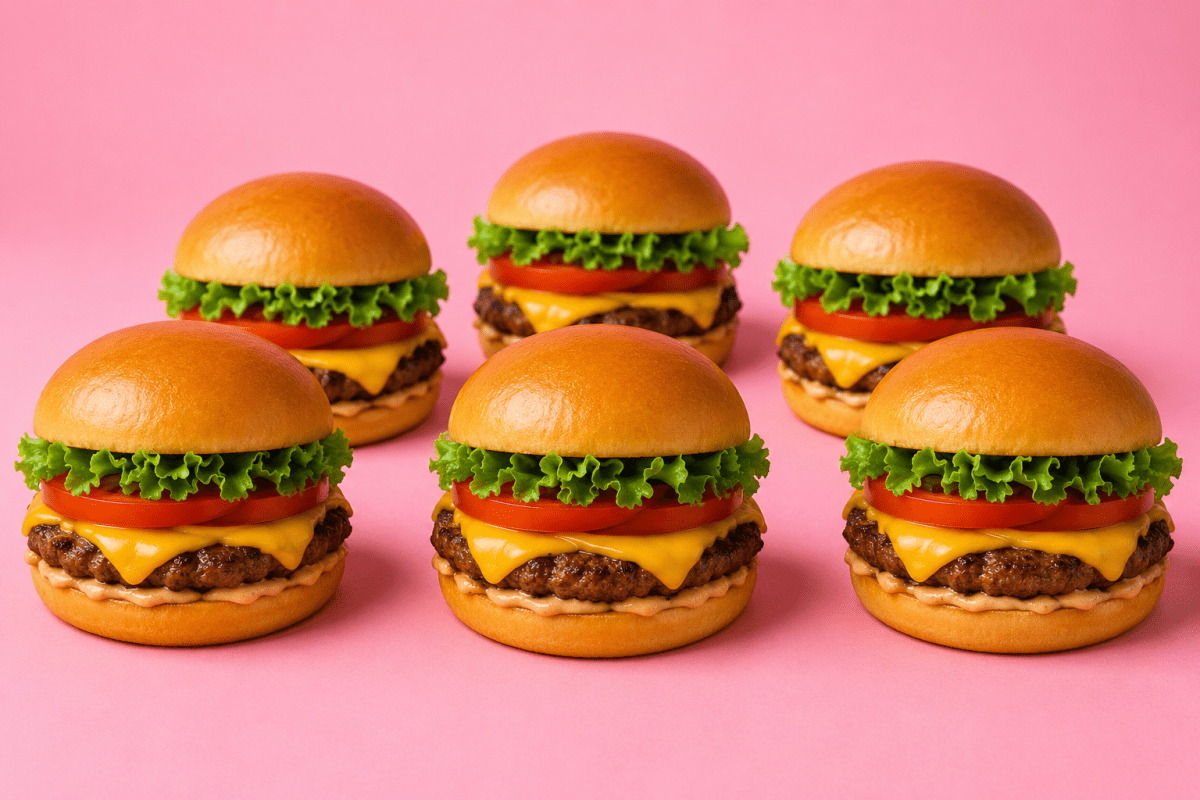
In an era where technology permeates every aspect of life, even the restaurant industry finds itself grappling with the uncanny effects of AI-generated menus. While these digital creations promise innovation, diners are increasingly unsettled by the uncanny nature of the food images they encounter.
AI's Aesthetic Dilemma
The allure of generative AI lies in its ability to produce visually appealing content. However, as Reality Defender's CTO Alex Lisle points out, these models often rely on a narrow aesthetic that results in food illustrations that are disconcertingly perfect yet strangely artificial. Diners walking into restaurants may notice that the images on the menus resemble something out of a surreal art piece, rather than a relatable culinary offering.
The Dangers of Model Degradation
Lisle warns of a phenomenon known as 'model collapse,' which occurs when AI systems are fed their own outputs repeatedly, leading to a degradation in quality. This is particularly concerning for the food industry, where AI-generated menus often mimic the styles of established chains like Wendy's and McDonald's, resulting in a homogenized appearance that lacks creativity. As AI tools pull from existing datasets, the risk is a cyclical reinforcement of blandness.
The Uncanny Valley of Food Images
Research from the University of Duisburg-Essen highlights a psychological aspect known as the 'uncanny valley' effect, where images that are almost lifelike provoke feelings of disgust rather than comfort. This phenomenon may explain why patrons can sense something amiss in AI-generated menus, even if they can't articulate their discomfort. As technology continues to advance, the challenge for restaurants will be to balance innovation with authenticity in a way that resonates with customers.
Source: techcrunch.com
#AI #food images #model collapse #restaurant menus #uncanny valley