Trump's Envoys Visit Moscow and Kyiv: Hopes for Peace Talks Dim as Russia Hardens Stance
By Editor • September 7, 2026 • 2 min read
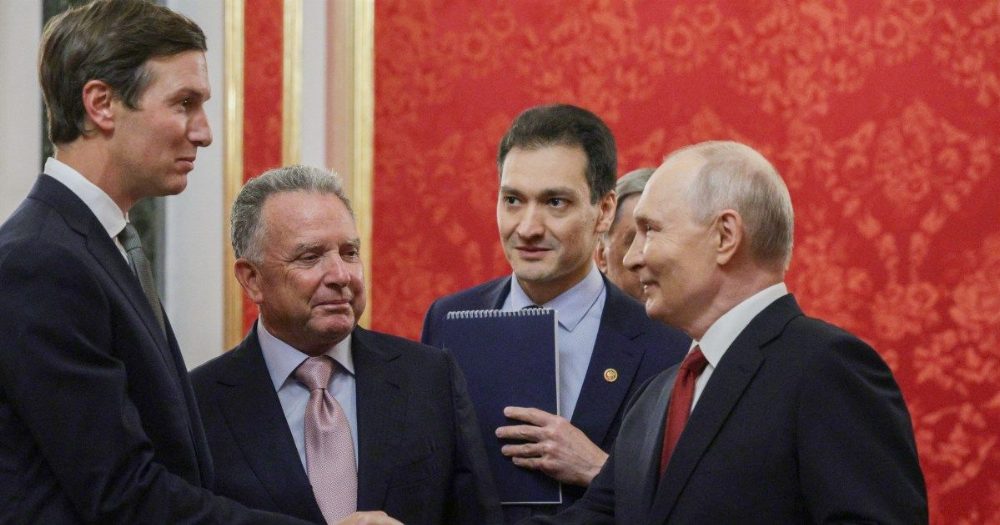
The recent trip by White House representatives Steve Witkoff and Jared Kushner to Moscow and Kyiv aimed at reigniting peace talks between Russia and Ukraine has left many questions unanswered. While the meetings were described as 'positive' by those involved, the underlying issues suggest a challenging road ahead.
Russia's Demands Complicate Negotiations
At the core of the impasse is Russia's firm stance on several key issues. The Kremlin insists on Ukraine's complete neutrality, demanding the withdrawal of Western military presence and a cap on Ukraine's military capabilities. Additionally, Russia seeks to maintain control over previously occupied territories and insists on the disbandment of far-right units in Ukraine. Such conditions, particularly the cancellation of legislation regarding the Russian language and the facilitation of elections favorable to Russia, pose a significant challenge for Ukraine and its European allies.
Shifting Dynamics in U.S. Diplomacy
The visit by Kushner and Witkoff marks a notable shift in U.S. diplomacy, especially following the earlier arrival of CIA director John Ratcliffe in Moscow, who reportedly faced a cold reception from Putin. While Ratcliffe was unable to meet with the Russian president, Kushner and Witkoff received a warm welcome, suggesting a more cooperative approach from the Trump administration. However, the skepticism surrounding their mission looms large, with many detractors believing the talks were destined to fail from the outset.
Challenges Ahead for Ukraine
As the harsh winter approaches, Ukraine finds itself in a precarious position, facing relentless Russian bombardment that threatens to devastate its energy and water infrastructure. Amidst this backdrop, political turmoil within Ukraine, exacerbated by corruption scandals and a significant budget shortfall in defense funding, raises further questions about the country's resilience. The pressure from pro-war factions in both the U.S. and Europe complicates the situation, as they advocate for continued military engagement despite the increasing risks to Ukrainian lives and interests.
Source: www.aljazeera.com