UN Sounds Alarm as El Niño's Potential Devastation Grows
By Editor • September 3, 2026 • 3 min read
The United Nations has issued a stark warning regarding the escalating impact of El Niño, describing the current situation as a "danger zone of extreme weather." António Guterres, the UN's Secretary-General, emphasized the unprecedented nature of this event, which is projected to be the most powerful El Niño in over seven decades, lasting until at least February 2027.
El Niño, a natural phenomenon originating in the Pacific Ocean, significantly alters global weather patterns, leading to severe droughts in some regions while causing intense storms and flooding in others. Guterres noted, "El Niño is being supersized before our eyes. The science leaves no room for doubt: the planet is in uncharted waters, and those waters are heating up." This year's event is expected to exacerbate existing climate challenges, pushing temperatures higher in tandem with ongoing global warming.
The World Meteorological Organization (WMO) has reacted by mobilizing efforts to disseminate forecasts of potential extreme weather related to El Niño. WMO Secretary-General Celeste Saulo warned that the phenomenon poses a substantial risk to communities and economies worldwide, particularly affecting vulnerable populations.
Recent data indicates that sea temperatures in the central and eastern tropical Pacific have surged significantly, with recent measurements exceeding 2°C above average. Projections suggest that surface temperatures could rise close to 4°C above the norm, potentially marking this El Niño as the strongest since records began in 1950. Below the surface, temperatures are even more alarming, with variations exceeding 8°C.
Australia is particularly concerned about the ramifications of El Niño on its marine ecosystems, which have already been strained by recent marine heatwaves. Dr. Alistair Hobday from Australia’s science agency expressed his apprehension, noting that while this year’s marine heatwave forecasts predict that the Great Barrier Reef may avoid the worst conditions, the overall situation remains dire. The last significant marine heatwave led to disastrous effects, including wildlife casualties and algal blooms.
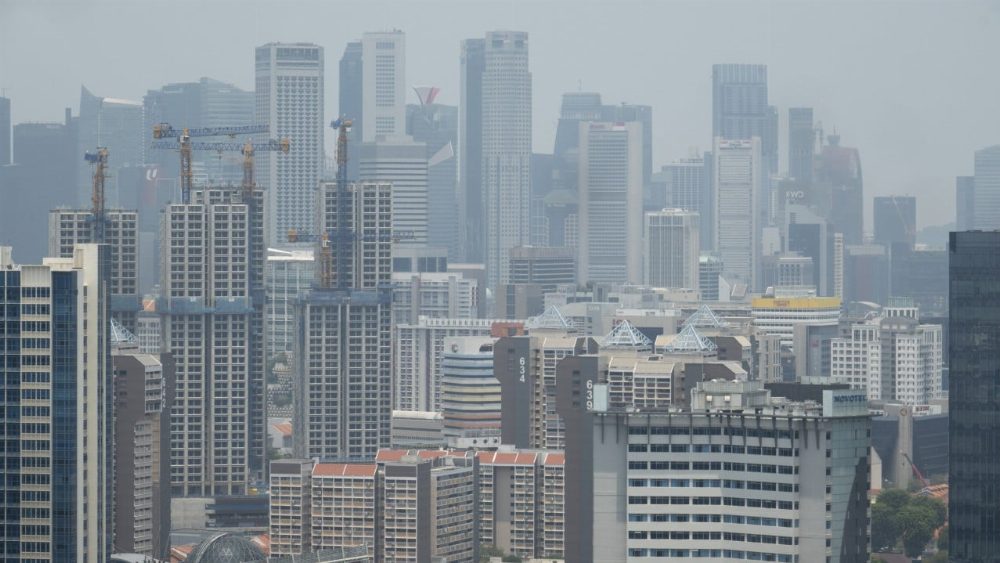
As the effects of El Niño begin to manifest, forecasting models predict shifting rainfall patterns across various global regions, with Southeast Asia, Central America, and northern South America expected to experience drier conditions, heightening the risk of droughts and wildfires. Currently, Indonesia is battling wildfires that have scorched over 107,000 hectares, prompting authorities to employ cloud-seeding to induce rainfall.
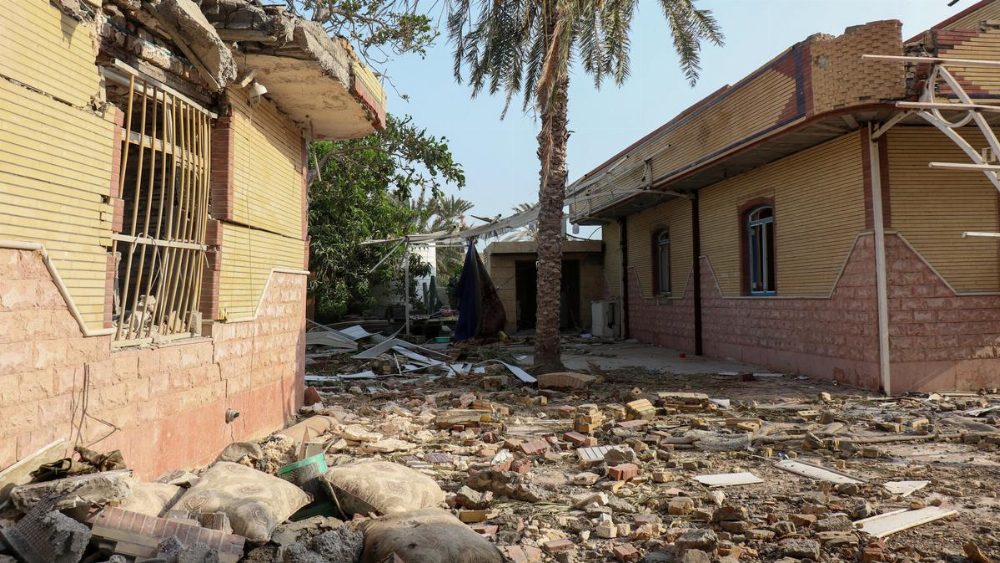
The Panama Canal, a vital artery for global trade, is bracing for reduced vessel traffic in anticipation of diminished rainfall, which could impact its $3 billion annual revenue. Meanwhile, China is preparing for a series of typhoons, with experts attributing the predicted increase in storm activity to the influence of a super El Niño. Recent months saw China grappling with multiple typhoons, resulting in significant fatalities and evacuations.
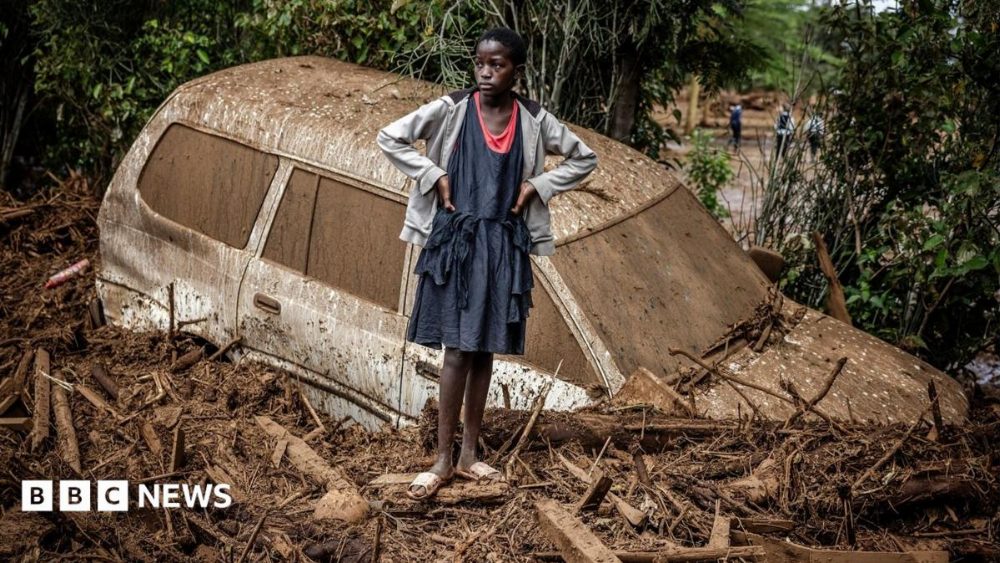
In South America, countries like Peru, Ecuador, and Brazil are on high alert as they prepare for heightened rainfall that could lead to flooding and landslides in urban areas. Miguel Aréstegui, a climate resilience expert, urged for proactive measures rather than panic, emphasizing the importance of enhancing early warning systems and community preparedness for impending weather-related challenges.
As the world grapples with the unfolding consequences of El Niño, experts and authorities alike stress the need for immediate action to mitigate its impacts, particularly in regions already vulnerable to climate variability.
Source: www.bbc.co.uk