Annie Shelton: Pioneering the Future of Space Agriculture
By Editor • April 14, 2025 • 3 min read
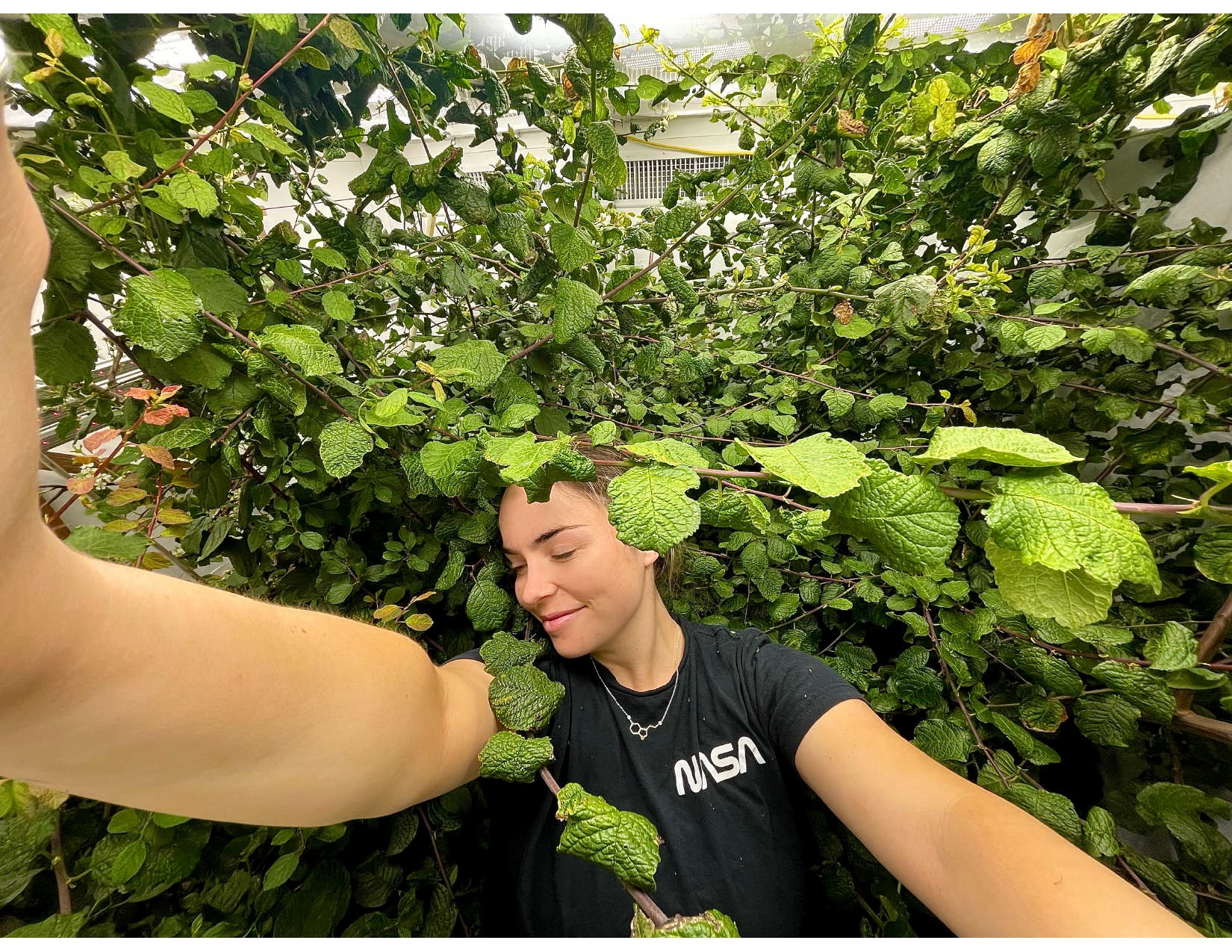
In a groundbreaking journey into the realm of space agriculture, Annie Shelton is determined to reshape the way we think about food production, both on Earth and far beyond. As she embarks on her PhD journey this autumn, her research is set to explore how to optimize plant growth in the harshest of environments, paving the way for sustainable food systems that can withstand the challenges of space.
"Space agriculture not only helps provide astronauts with fresh food on long missions, but it helps feed the growing population on Earth," Shelton explains. By investigating how crops can flourish in highly controlled environments, her work aims to enhance indoor agriculture and ensure food security in extreme conditions.
Moreover, Shelton points out the psychological benefits of having plants in space. She notes, "Research shows that the visual stimuli of plants in humans can reduce stress, improve mood and focus, and create a sense of connection." In the isolation of space, nurturing living organisms can foster a vital link to Earth, embodying the essence of humanity.
Her innovative research will focus on synchronizing plants' internal circadian rhythms with artificial lighting to boost photosynthesis. Since lighting conditions in space often disrupt natural rhythms, this alignment could significantly enhance plant performance and resource efficiency. "If we can align light schedules with plants’ circadian rhythms, we can engineer environments and even the plants themselves to optimize photosynthesis," she states.
Raised in San Francisco, Shelton is the first scientist in her family, with a Canadian mother in finance communications and a British father in football and farming technology. Initially drawn to sports therapy, her academic path shifted dramatically during the COVID-19 pandemic as she delved into documentaries on space agriculture. Films like 'The Martian' ignited her passion for growing food in space, steering her toward a minor in plant biology alongside her neuroscience degree.
Her career took off at the University of California, Riverside, where she transitioned from an undergraduate intern to an Assistant Project Specialist in Dr. Robert Jinkerson’s lab. There, she contributed to pioneering projects such as Artificial Photosynthesis and led a NASA-funded initiative on hydroponic mushroom cultivation.
In 2022, a pivotal moment at the American Society for Gravitational and Space Research (ASGSR) conference solidified her commitment to space biology. Since then, she has played a vital role in the ASGSR student board, enhancing outreach and boosting student engagement significantly. Shelton also collaborates with NASA's Growing Beyond Earth project, linking space plant research with educational initiatives across the nation.
In early 2023, Shelton became a Visiting Scholar at the Blue Marble Space Institute of Science, co-managing the Space Agriculture Laboratory Analysis Database (SALAD), which compiles essential data on crops in space. Her efforts in science communication and grant writing contribute to NASA’s broader goals in space agriculture outreach.
To further her knowledge of large-scale food production, Shelton is pursuing a Professional Master’s in Integrative Plant Science at Cornell University. Her thesis, developed in partnership with NASA and the USDA, focuses on cultivating dwarf plum trees as a potential crop for space missions. By creating protocols for hydroponic cultivation and advanced lighting strategies, she is renewing NASA’s interest in plums for long-duration space missions.
Source: www.gatescambridge.org
#Annie Shelton #food production #NASA #plant biology #space agriculture