2026 Food Recalls: A Year of Caution for Consumers
By Editor • August 25, 2026 • 3 min read
The landscape of food safety continues to be fraught with challenges, as illustrated by the alarming number of food recalls in 2026. With reports highlighting over 162 recalls so far, concerns grow over what consumers can safely eat amidst these ongoing issues.
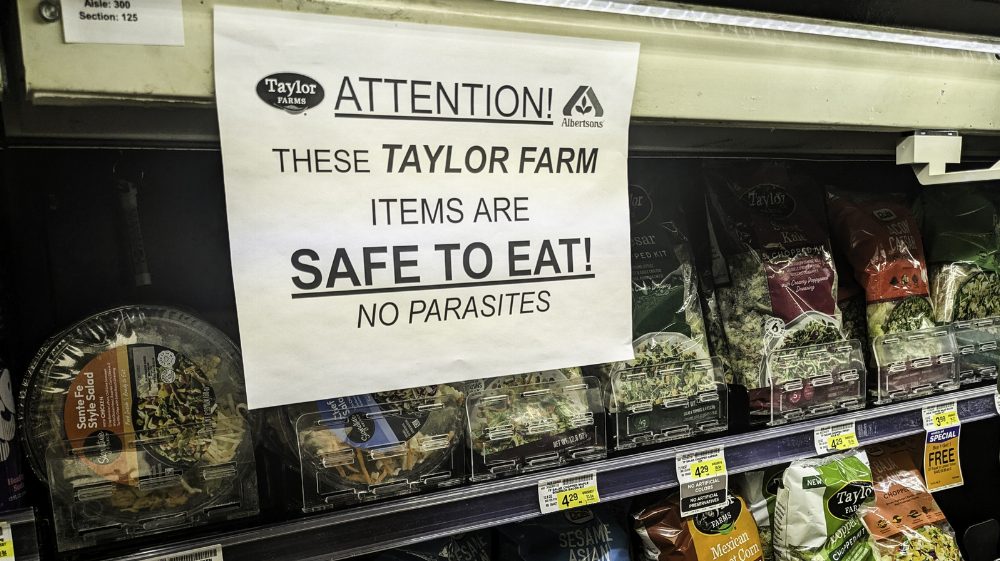
One of the most significant outbreaks this year occurred in July, when a cyclospora parasite linked to iceberg lettuce from Taylor Farms impacted more than 10,000 individuals across 17 states, resulting in two fatalities in Michigan. While the outbreak appears to be declining, health experts are urging consumers to remain vigilant.
In the realm of retail, Publix faced scrutiny after recalling four frozen berry products under its GreenWise label due to E. coli contamination. With a dozen illnesses reported, including four hospitalizations, shoppers are advised to check UPC codes and return affected products. The store has yet to reintroduce the GreenWise berries but assures that future offerings will be free of E. coli.
Costco, typically a trusted retailer for bulk items, also made headlines with a series of recalls. In January, mislabeled Mini Beignets filled with chocolate hazelnut instead of caramel posed risks for those with tree nut allergies. This was followed by another incident in April involving madeleines that contained undisclosed allergens. Customers are reminded to check their freezers for affected products.
Eggs have been another source of concern this year, with approximately 1.5 million eggs recalled on July 22 due to potential salmonella contamination. Shipped primarily to stores in the Southern U.S., these eggs bear specific codes that consumers should verify before consumption.
Earlier in the year, a frozen food recall from Ajinomoto Foods affected both Costco and Trader Joe's due to glass found in chicken fried rice products. While no injuries were reported, this incident underscores the importance of quality control in food manufacturing.
The trend of contamination continued with Dreyer's Grand Ice Cream recalling certain packages of Outshine Fruit Bars on August 18 due to potential glass contamination. Consumers are advised to return specific flavors with particular best-before dates to ensure safety.
Aldi also joined the recall list with its Bremer Italian Style Meatballs, which were found to contain metal. Although no injuries were linked to this recall, shoppers should check their frozen inventory against the recalled dates.
In May, Jones Dairy Farm Chicken Sausage Links faced scrutiny when some packages were mislabeled as containing pork instead of chicken, raising concerns among consumers with dietary restrictions. Although Costco has resumed selling the sausages, the recall serves as a reminder of the need for accurate labeling.
As summer progressed, the vegetable aisle saw its share of recalls as well. Fresh jalapeños from Coast Citrus Distributors were found to be contaminated with salmonella, affecting over 400 people and resulting in numerous hospitalizations. Retailers like Whole Foods issued voluntary recalls on products containing these peppers, urging consumers to exercise caution.
Lastly, a spring recall of peeled garlic prompted concerns over botulinum spores due to improper storage. Fortunately, no illnesses were reported, but this incident highlights the importance of proper food handling practices.
As 2026 unfolds, consumers are left wondering what can be safely consumed amidst the rising tide of food recalls. Staying informed and vigilant is crucial to navigating this precarious landscape.
Source: www.thetakeout.com
#Costco #cyclospora #E. coli #food recalls #Publix #salmonella