The Evolution of Weekends: From Industrial Revolution to Modern Chaos
By Editor • August 16, 2026 • 3 min read
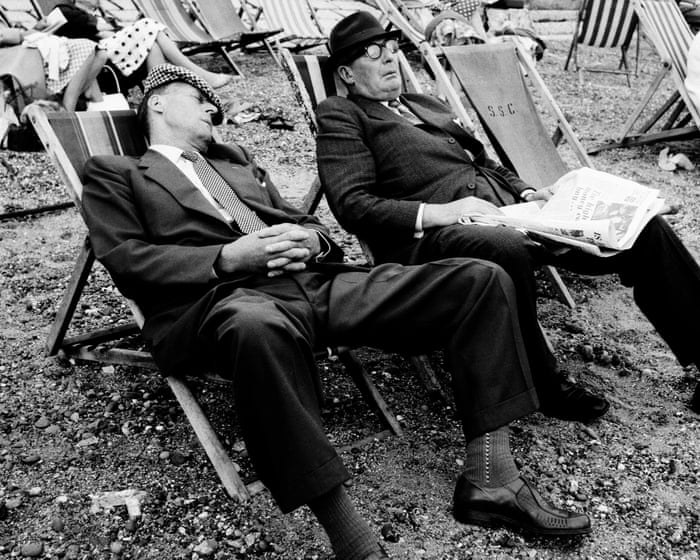
The weekend, once a simple respite from labor, has transformed into a complex cultural phenomenon over the past century. Originating in 1926 when Henry Ford granted his workers both Saturdays and Sundays off, the two-day break has since morphed under the pressures of modern life and work.
Remarkably, the concept of weekends is relatively young, having only taken shape in the last hundred years. Ford's initiative was not merely a humanitarian gesture but also a shrewd business move aimed at maximizing productivity and promoting consumerism. He believed that more leisure could lead to increased demand for automobiles, encouraging people to explore the great outdoors.
However, the concept of time off was not always a given. Take the Soviet Union's experiment from 1929 to 1940, which eliminated weekends altogether. Instead, workers received random days off, leading to a disjointed workforce with little opportunity for bonding or family time. A letter to the Pravda newspaper captured the frustrations of a worker, lamenting the isolation that came with having no shared time off. The social and psychological toll proved too great, prompting the government to abandon the policy.
Fast forward to today, where the lines of the weekend have blurred. With the rise of remote work, the traditional boundaries separating work and leisure have begun to dissolve. Tasks that once belonged exclusively to weekdays now creep into Saturday and Sunday, making it challenging to discern when the weekend truly begins.
As societal norms shift, so does our understanding of leisure. The rituals and activities associated with weekends have evolved significantly. Pedro Gomes, an economics professor, highlights how weekend experiences morph across different life stages, from youthful escapades with friends to family gatherings and eventually time spent with grandchildren. Each phase brings new meaning and activities to the weekend.
Modern weekends are now characterized by multitasking; laundry is tackled on Fridays while emails may linger until late Sunday. The once-sacrosanct Saturday afternoon football games have been stretched across the week, transforming how fans engage with their favorite teams. The traditional three o’clock kick-off is now often a Monday night affair, further eroding the clear-cut definition of a weekend.
In the UK, the concept of a two-day weekend gained traction post-World War II, following individual initiatives like Boots the Chemist's decision to eliminate Saturday morning shifts in 1933. This shift was not solely for employee welfare but also proved beneficial for business, with reduced absenteeism and improved worker morale.
The weekend has also become intertwined with consumer capitalism. As leisure time grew, so did the market for products and services designed to enhance it—from sports events to weekend getaways. The weekend, once a reprieve from the grind, has now become an engine for economic activity, with businesses catering to our desire for relaxation and enjoyment.
Yet, as the weekend takes on new meanings, the very essence of what it represents is under scrutiny. Brad Beaven, a cultural historian, suggests that weekends symbolize a collective reclaiming of time away from the industrial clock, yet the rise of a four-day workweek in places like the Netherlands raises questions about the future of our weekends.
As we approach 2026, the very fabric of what constitutes a weekend may continue to evolve, blending work and leisure in unprecedented ways. The challenges of defining a weekend in today’s fast-paced world compel us to reconsider how we allocate our time and what it means to truly rest.
Source: www.theguardian.com
#consumerism #Henry Ford #Soviet Union #weekend #work-life balance