Yemen's Drone Warfare: A New Chapter Unfolds in the Ongoing Conflict
By Editor • August 15, 2026 • 2 min read
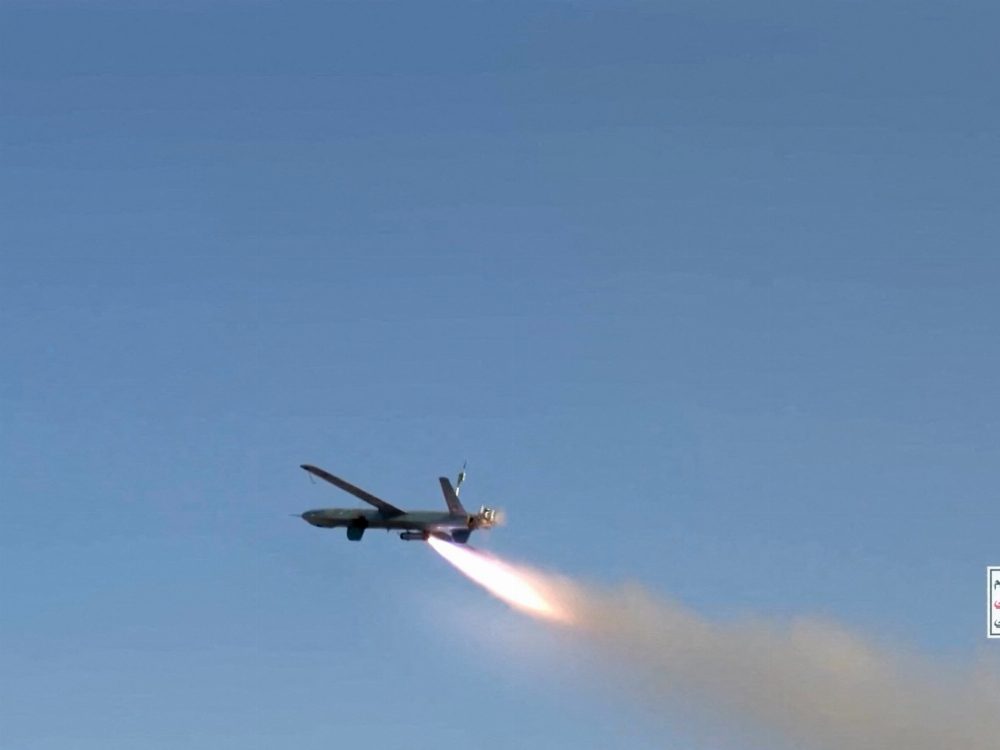
The ongoing conflict in Yemen has taken a notable turn as both sides increasingly embrace drone warfare. Historically, the Houthis have dominated this arena, utilizing drones for strategic strikes against government forces. However, recent weeks have seen a significant shift as the Yemeni government begins to deploy drones against Houthi positions, marking a potential evolution in the dynamics of the conflict.
This escalation doesn't necessarily indicate a loss of the Houthis' drone superiority. They still possess a more sophisticated missile and drone infrastructure, developed over years of conflict. Yet, the government's recent drone operations in regions such as Marib, al-Jawf, Taiz, and Hajjah could force the Houthis to reconsider their strategies. The ability to target Houthi gatherings and command centers could shift the battlefield's balance, even without achieving complete parity in drone capabilities.
Despite the government's newfound capability, the Houthis continue to launch aggressive offensives. Their operations against Marib and Hadramout, alongside attacks on Saudi Arabia and movements in the Red Sea, illustrate that they are far from retreating. However, the necessity of adapting to heightened drone activity may compel the Houthis to alter their deployment and supply strategies.
The geographical significance of recent strikes cannot be overstated. Key locations like Marib and Taiz serve as strategic gateways, influencing the potential for a ground war. Targeting these areas not only incurs losses for the Houthis but also compromises their operational security. For instance, the western coast near al-Makha is vital, as it connects to Bab al-Mandeb, a crucial maritime corridor.
As both factions increase their military readiness, the situation suggests a serious consideration of ground operations. Presidential Leadership Council Chairman Rashad al-Alimi has emphasized the need for the Houthis to either disarm or face consequences for their actions. His statements align with the government's military escalations, indicating a shift towards a more proactive military stance.
However, the effectiveness of this approach remains to be seen. The Yemeni government's challenge lies in transitioning from reactive measures to a consistent operational doctrine that incurs costs for Houthi aggression. The overall regional context adds another layer of complexity, with the ongoing tensions in the Strait of Hormuz and the U.S.-Israel dynamics concerning Iran impacting the strategic landscape of the Red Sea.
Ultimately, the evolving situation in Yemen reflects a precarious balance, with all parties inching closer to a potential war. The Houthis are testing the limits of their power, while Yemeni forces and Saudi Arabia are recalibrating their strategies. The risk of miscalculation and conflict escalation looms large, underscoring the volatile nature of the current geopolitical environment.
Source: www.aljazeera.com
#drone warfare #Houthis #military strategy #Rashad al-Alimi #Yemen