ANC Faces Internal Turmoil as Voter Disenchantment Grows
By Editor • August 30, 2026 • 2 min read
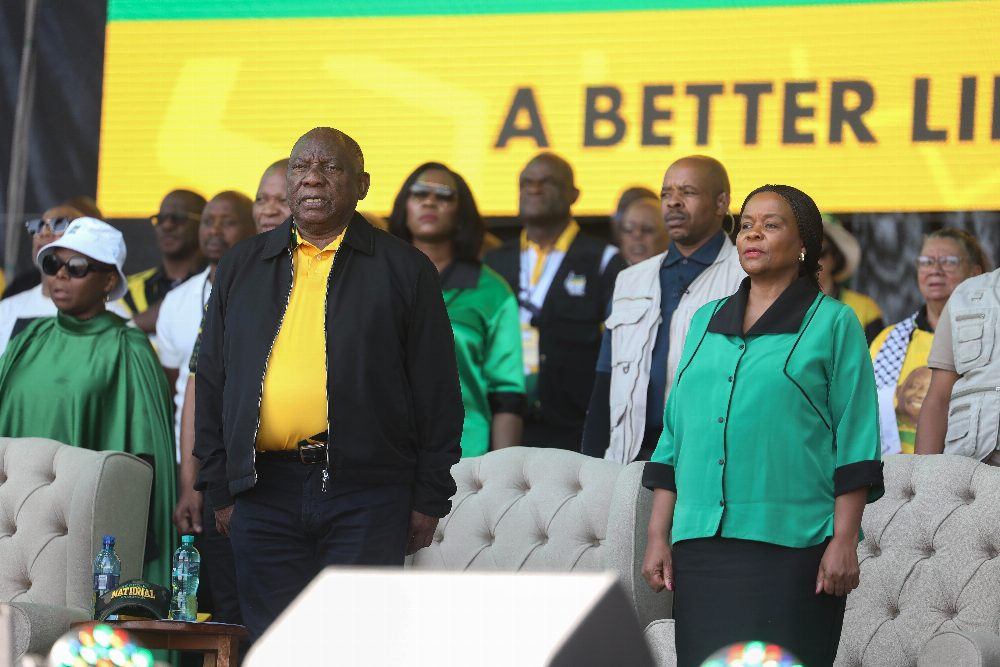
The African National Congress (ANC) is grappling with severe internal strife, leading to a worrying decline in support ahead of the upcoming municipal elections in November. Once a dominant force in South African politics, the party is now marred by factionalism and a series of electoral defeats that have left it on the brink of collapse.
The signs of discontent were evident during the ANC’s 2016 local government election manifesto launch in Gqeberha, previously known as Port Elizabeth. The event, which took place at the Nelson Mandela Bay Stadium, saw an unusually sparse crowd, with many attendees leaving before former president Jacob Zuma even took the stage. Party officials attempted to explain away the empty seats by claiming that bus companies had sabotaged the event, but the reality was far more troubling: voters had grown disillusioned with the party's promises.
The ANC's challenges only intensified in the years that followed. The results of the 2016 elections marked a significant turning point, as the party lost its majority in several key metros, including Gauteng's major cities. The trend continued into the 2019 general election and the 2021 local government elections, with the ANC increasingly struggling to maintain its grip on power.
In a bid to salvage its reputation, the ANC recently convened in Diepsloot, Johannesburg, to launch its manifesto for the upcoming municipal elections. However, the event lacked the energy and grandeur of past launches, taking place in a modest community park instead of a large stadium. This shift was intended to showcase what the ANC sees as a successful housing initiative in Riverside, a mixed-income development. Yet, many residents voiced concerns about ongoing neglect, highlighting the disconnect between the party's narrative and the reality on the ground.
As the ANC prepares for the elections, it faces mounting internal challenges, including delays in announcing mayoral candidates and ongoing factional disputes. The party's leadership has struggled to present a united front, and a recent National Executive Committee meeting devolved into further infighting. In an unusual move, the ANC announced that its councillors would need a matric certificate or equivalent qualification, a decision that underscores the party's recognition of its previous shortcomings.
The roots of the ANC's current predicament can be traced back to the 2007 Polokwane conference, which saw the ousting of Thabo Mbeki in favor of Jacob Zuma. This pivotal moment set off a chain reaction of internal conflicts and corruption that has plagued the party ever since. The atmosphere of mistrust and factionalism continues to fester within the ANC, as different groups vie for power in anticipation of the 2024 elections.
As the ANC grapples with its internal chaos, it risks alienating the very electorate it seeks to serve. With voters increasingly turning their backs on the party, the path ahead looks precarious. The upcoming municipal elections may serve as a litmus test for the ANC's future, and should the party fail to address its internal divisions and reconnect with its base, its decline may only intensify.
Source: www.dailymaverick.co.za