Anwar's Taiwan Remarks Stir Debate on Malaysia's Non-Alignment Policy
By Editor • August 26, 2026 • 2 min read
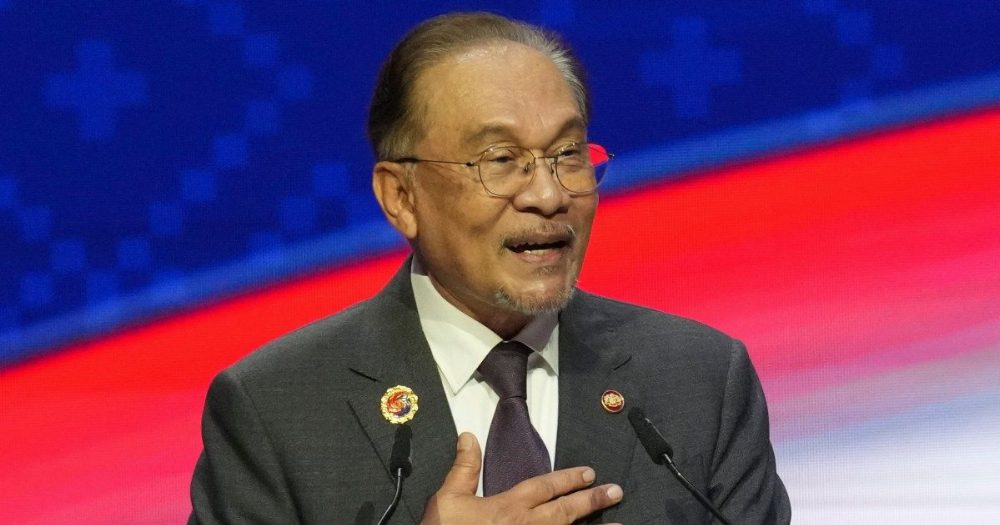
Malaysian Prime Minister Anwar Ibrahim's recent comments regarding Taiwan have sparked considerable debate about the country's longstanding non-aligned stance in global geopolitics. In an interview with Al Jazeera, Anwar asserted that Taiwan is "part of China, period," a statement he claimed is widely accepted. However, his remarks took a more contentious turn when he was asked if he would condemn China should it use force for a peaceful resolution to Taiwan's status. Anwar replied that he would protect Malaysia's territorial integrity with force if necessary, a comment that raised eyebrows both domestically and internationally.
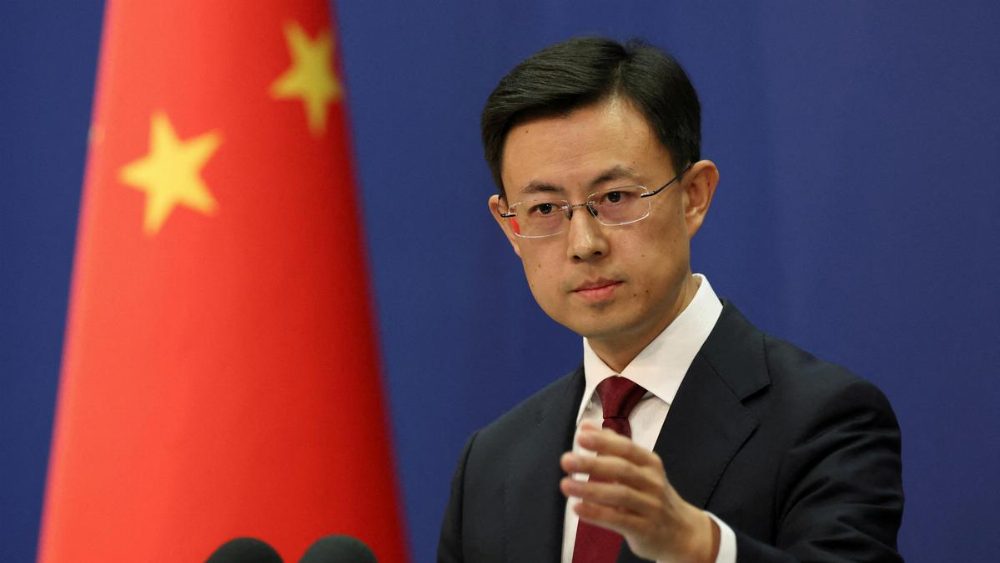
The reaction to Anwar's statements has been polarized. The Chinese government welcomed his support, reinforcing its claim that Taiwan is an integral part of its territory. Conversely, Taiwan's government expressed concern, warning that Anwar's overt alignment with China might deter Taiwanese investments in Malaysia, particularly in the semiconductor sector, where Taiwan plays a pivotal role.
In the wake of his interview, Anwar appeared to temper his comments during a local media engagement, emphasizing Malaysia's respect for China's position while advocating for peaceful dialogue regarding Taiwan. This statement, however, did little to quell speculation about Malaysia's shifting geopolitical orientation, especially as China has increasingly become Malaysia's largest trading partner.
Adding to the intrigue, Anwar called for enhanced military defenses in the Malaysian state of Sabah, citing the recent expansion of US military facilities in the Philippines as a catalyst for increased defense spending. His comments reflect a broader context of defense strategy as Malaysia grapples with territorial disputes, particularly over Sabah, which the Philippines claims.
Analysts are divided on whether Anwar's remarks signal a significant realignment in Malaysia's foreign policy. Some, like Chee Meng Tan, a business economics professor at the University of Nottingham Malaysia, argue that Malaysia's recognition of Taiwan as part of China isn't new and that Anwar's comments on potential force usage were particularly noteworthy. Others suggest that Anwar's statements could be an attempt to balance relations ahead of his scheduled visit to China in September.
Daniel Loebell, a doctoral student at Northwestern University, posited that Anwar's perspective on territorial integrity aligns with Malaysia's historical policies, noting that his characterization of Taiwan's status should not be viewed as an outright departure from Malaysia's non-aligned approach. He asserted that Malaysia continues to maintain diverse economic relations, allowing it to avoid aligning too closely with any major power.
Furthermore, while Anwar's administration has been vocal in its criticism of Israel regarding the Gaza conflict, this does not necessarily indicate a shift away from Western partnerships. Malaysia has maintained strong defense agreements with Western nations, notably through the Five Powers Defence Arrangements (FPDA), which obligate member countries to consult during military threats.
Ultimately, the complexities of Malaysia's foreign relations, especially concerning its economic ties with both China and the US, suggest that Anwar's comments reflect an intricate balancing act rather than a definitive pivot towards any single power.
Source: www.aljazeera.com
#Anwar Ibrahim #China #Geopolitics #Malaysia #non-alignment #Taiwan