Augmented Reality Tours Spark Debate on Historical Memory in D.C.
By Editor • August 20, 2026 • 3 min read
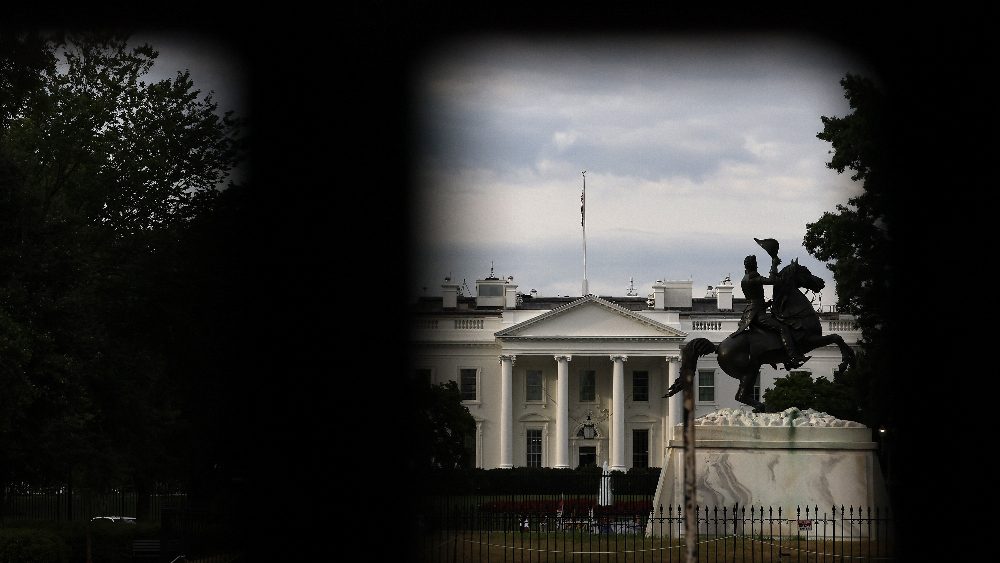
Amid the ongoing renovations at the White House East Wing, augmented-reality tours are shining a light on the contentious debate surrounding how American history is represented in Washington, D.C. On a recent afternoon, I donned a pair of AR glasses, courtesy of Lexi Cleveland, a public historian and executive vice president of ARtGlass. Through these glasses, I was able to glimpse the White House as it once stood, complete with features like the Jacqueline Kennedy Garden and the Family Theater, now obscured by construction barriers.
Cleveland’s interactive tour brought to life the historical changes wrought by the Trump administration, prompting participants to consider what is lost when buildings—and the stories they tell—are altered or removed. As historic images flashed before my eyes, we discussed the implications of removing a Black Lives Matter mural and compared it to the statue of Andrew Jackson, a figure Trump admires despite his controversial legacy.
As the White House seeks to reshape Washington's commemorative landscape, President Trump’s administration is engaged in an active struggle over how history is narrated. Recently, he issued an executive order mandating that the National Park Service install signs outside the National Museum of American History. According to the White House, the museum has fallen prey to “ideological capture” and does not adequately highlight the signers of the Declaration of Independence. This development signals a shift from mere rhetoric to tangible changes in how history is presented to the public.
The National Mall, a hub of historical monuments, is currently under the scrutiny of both the administration and local activists. While the National Guard patrols the area, renovations at key sites, including the Kennedy Center, have altered the landscape. Statues that were removed during the Black Lives Matter protests are being reinstated, reflecting the ongoing tensions over public memory.
Despite facing opposition, historians and activists are actively working to restore diverse narratives to the forefront. A notable example is the guerrilla art group, Secret Handshake, which has staged provocative installations, including a gold toilet displayed near the Lincoln Memorial as a critique of Trump’s redevelopment projects. Meanwhile, Citizen Historians for the Smithsonian plans to counter the administration's new signage with their own docents who will interpret the information for visitors, aiming to provide a balanced view of history.
The contrasting views on how history should be told are evident in the current atmosphere of the city. While Trump advocates for a simplified, grand narrative of American history, many groups argue for a more nuanced approach that encompasses a variety of stories. This ideological divide is highlighted by the augmented-reality exhibit, “Unhidden Heroines,” which aims to draw attention to the lack of representation of women in public monuments.
Recent protests reflected these tensions, as concerned citizens gathered outside the National Museum of American History to sing patriotic songs and voice their concerns about potential alterations to exhibits. The Citizen Historians’ proactive approach to interpreting the new signage reflects a commitment to preserving the integrity of historical narratives against perceived distortions.
As the clash over public memory unfolds, the National Mall remains a battleground where historical representation is continuously negotiated. With augmented reality technology paving new avenues for storytelling, the ongoing discussions about our past are more crucial than ever. The question remains: How will we remember the history that shapes our nation, and who will get to tell those stories?
Source: www.theatlantic.com
#American history #augmented reality #Citizen Historians #National Mall #Trump administration