Biosphere 2: A Bold Experiment in Earth’s Replication and Its Lessons
By Editor • August 24, 2026 • 2 min read
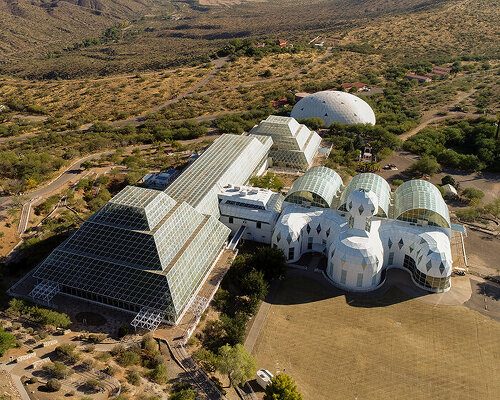
In the heart of the Arizona desert, a groundbreaking experiment unfolded in 1991 within the expansive glass confines of Biosphere 2. This ambitious project aimed to create a self-sustaining ecosystem capable of supporting human life, serving as both a model for Earth’s intricate ecological systems and a potential blueprint for future space habitats on other planets.
Conceived by Space Biospheres Ventures and spearheaded by visionary John P. Allen and philanthropist Edward P. Bass, Biosphere 2 was designed to encapsulate a range of biomes, including rainforest, savanna, desert, and ocean, all under one roof. The structure itself was a marvel of engineering, featuring a sealed environment with a complex network of air and water systems to prevent outside interference, while its two massive 'lungs' helped maintain atmospheric pressure amid temperature fluctuations.
However, the experiment quickly faced unforeseen challenges. As the first crew of eight entered on September 26, 1991, oxygen levels plummeted from 20.9% to 14.5% by January 1993, creating alarming conditions for the inhabitants. This decline was caused not only by insufficient plant oxygen production but also by the vast amounts of organic matter in the soil, which was consumed by microorganisms, leading to a troubling imbalance in the closed system.
Further complicating matters was the use of concrete in the structure, which reacted with carbon dioxide produced by microbial activity, further depleting oxygen levels. Despite these setbacks, the agricultural areas managed to provide a significant portion of the crew's food, yet the ecosystem was far from stable. Pollinators vanished, invasive species thrived, and crop yields suffered due to a variety of unpredictable factors.
As the crew navigated life in this confined environment, they faced not only ecological challenges but also psychological and social strains. They were subjected to extreme conditions, including a low-calorie diet aimed at studying caloric restriction, which led to weight loss and fatigue. Tensions arose over differing philosophies regarding the experiment’s strict rules; some argued for maintaining a closed system, while others prioritized the crew's health and operational success.
As the project progressed, the intricate web of human interactions and ecological management revealed that a closed habitat could not function in isolation. The crew’s struggles with governance, hunger, and stress underscored the complexities of human behavior in confined settings, leading to divisions among them. The second mission, which began in 1994, ultimately collapsed amid governance disputes and breaches of the enclosure.
Despite its initial failures, the legacy of Biosphere 2 transformed it from a failed utopia into a valuable scientific research facility. Under the stewardship of Columbia University and later the University of Arizona, the site evolved into a laboratory for Earth-system science, where researchers could explore pressing environmental issues like carbon dioxide levels and ocean acidification, turning past challenges into future insights.
Source: www.designboom.com
#Arizona #Biosphere 2 #ecosystem #environmental science #space habitat