Border Construction Halted at Big Bend: A Temporary Relief Amidst Ongoing Controversy
By Editor • August 18, 2026 • 3 min read
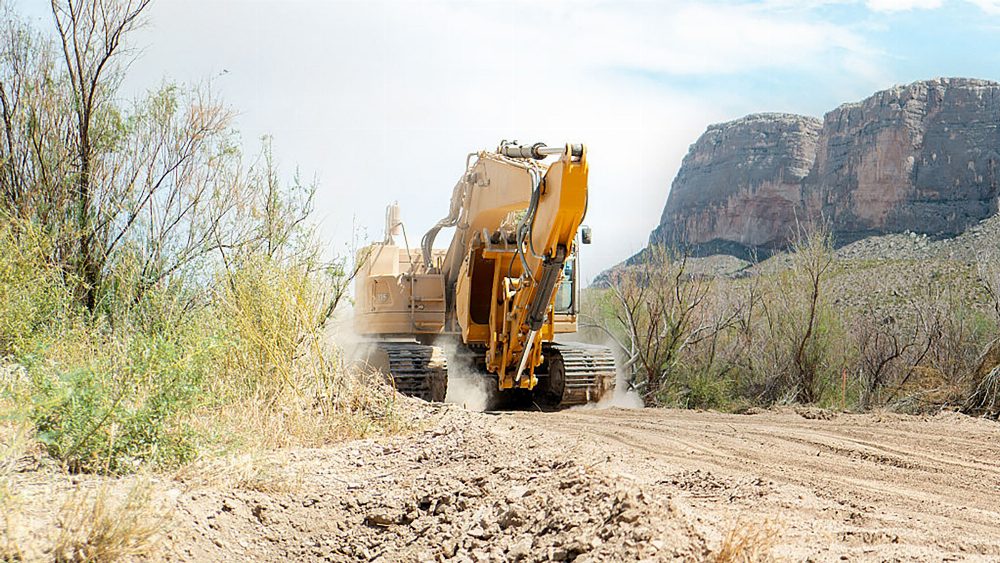
After a week of heavy machinery disturbing the delicate environment of Big Bend National Park, construction has come to a standstill as of August 18, following an unexpected decision by the Trump Administration. This pause, announced late on August 16, halts the contentious border security project that was set to carve through one of Texas' most cherished natural landscapes.
The pause was officially communicated by Rodney Scott, the head of Customs and Border Protection (CBP), who took to social media to deliver the news while at a Texas airport. "I’m going to Big Bend to conduct a personal, on-the-ground evaluation," Scott stated, leaving many to speculate about the future of the project.
Local observers quickly confirmed the cessation of construction. Jenna Cantrell, a vocal opponent from Terlingua, noted that there was no activity at the site. Reports from aerial surveys supported her observations, showing parked machinery instead of ongoing work.
Despite the halt, significant damage had already been inflicted on the landscape. Crews began their work on August 6, clearing trees and shrubs for the new road and a worker camp. This destruction is close to Santa Elena Canyon, a centerpiece of the park's allure, and environmental advocates have already documented the aftermath of the initial bulldozing.
The construction was part of a larger $1.72 billion contract awarded to Southwest Valley Construction Company, which intended to erect 17 miles of barriers and new roadways through the park. While the current pause has brought relief, critics remain concerned about the potential long-term impacts of the project.
The reasons behind the sudden halt are unclear, but several Texas officials have claimed credit for influencing the decision. Governor Greg Abbott stated he had spoken directly with Homeland Security Secretary Markwayne Mullin, asserting that the pause was a direct outcome of their conversation. Abbott emphasized that there would not be any barriers constructed in Big Bend National Park.
Others, including Terrell County Sheriff Thaddeus Cleveland, have also voiced their opposition to the project, highlighting the lack of necessity for border barriers in the region. Senator John Cornyn, reflecting on the bipartisan discontent, wrote to Mullin expressing concerns over the potential ecological and economic harm caused by the construction.
The project has faced significant backlash from the local community, including ranchers and tourism-dependent businesses, with many residents taking to the streets to protest. Public lands advocates have highlighted the unusual bipartisan nature of this opposition, with even traditionally conservative figures expressing discontent.
In a recent development, 43 members of the Texas House of Representatives signed a letter to Governor Abbott urging the Trump Administration to cease construction, with an overwhelming majority of Democratic representatives and a few Republicans joining in. Concerns about potential electoral repercussions seem to have motivated these lawmakers, with fears of losing voter support in the upcoming elections lingering in the air.
As the situation stands, the future of the border construction remains uncertain. Scott's planned meetings with stakeholders may dictate whether construction resumes or if the temporary halt evolves into a permanent cessation. Advocates are hopeful that continued dialogue will lead to alternatives that protect the region's ecological integrity.
Source: www.outsideonline.com
#Big Bend National Park #border construction #environmental impact #Greg Abbott #Rodney Scott