Breakfast Showdown: Oatmeal or Eggs for Managing LDL Cholesterol?
By Editor • August 27, 2026 • 2 min read
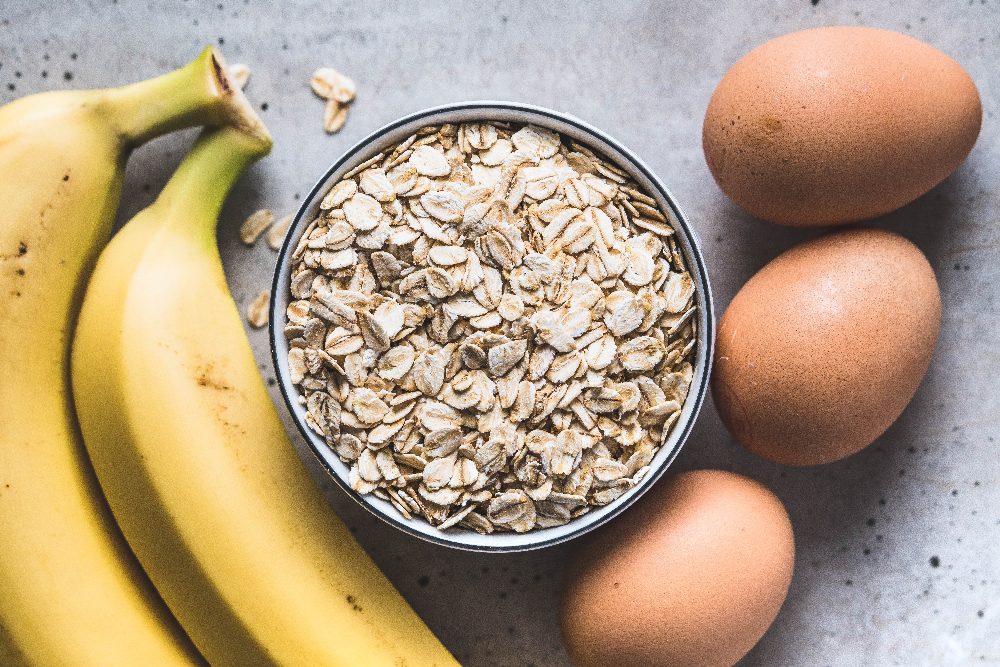
When it comes to breakfast choices that impact LDL cholesterol, the debate between oatmeal and eggs can be daunting. Many people find themselves questioning their morning meals after a doctor's visit, especially if LDL levels are a concern. However, understanding the distinct roles of these foods can simplify the decision.
LDL, often labeled as 'bad' cholesterol, is linked to heart disease. While diet does play a significant role in managing cholesterol levels, the effects of specific foods can be quite different than one might expect. Oatmeal contains a soluble fiber called beta-glucan, which can effectively lower LDL. This fiber forms a gel-like substance in the digestive system, binding bile acids and facilitating their removal from the body. The liver compensates for this loss by using cholesterol from the blood to produce more bile acids, which can lead to lower LDL levels. Research supports this mechanism, with a meta-analysis of 13 clinical trials indicating that beta-glucan from oats can reduce LDL by approximately 10 mg/dL.
On the other hand, eggs have historically been vilified due to their high dietary cholesterol content. However, recent studies suggest that saturated fat, rather than cholesterol, is the main culprit for increased LDL levels. In a randomized study published in the American Journal of Clinical Nutrition, participants consuming two eggs daily as part of a lower-saturated-fat diet experienced lower LDL compared to those on a higher-saturated-fat diet with fewer eggs. This indicates that the real concern may lie not with the eggs themselves, but with the fatty accompaniments often served alongside them.
Furthermore, a large study involving over 37,000 adults found no significant correlation between egg consumption and heart disease mortality. While those with elevated LDL should monitor their intake of dietary cholesterol, moderate egg consumption appears safe for many healthy individuals. Eggs are rich in protein, choline, and lutein, making them a viable option within a heart-healthy diet.
In conclusion, oatmeal clearly takes the lead in actively lowering LDL levels due to its beta-glucan content. Eggs, however, are not the dietary villains they were once thought to be, especially when prepared in healthier ways. The American Heart Association suggests that healthy individuals can enjoy up to one egg per day. The best approach? Incorporate both oats and eggs into your morning routine for a balanced breakfast that supports heart health.
Source: www.delish.com