Cataract Surgery Costs Surge as Patients Choose Laser Options
By Editor • August 19, 2026 • 2 min read
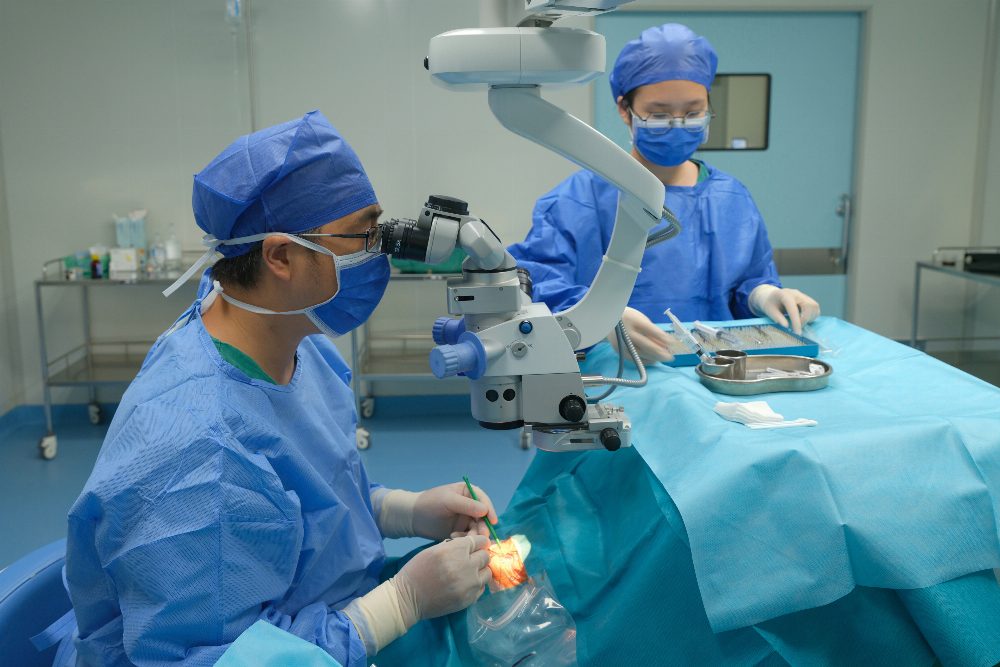
As Medicare continues to lower its reimbursements for cataract surgeries, many eye doctors are turning to laser-assisted procedures to boost their income, leaving patients to foot a hefty bill.
Take Tammy Chalala, a 69-year-old retired dietitian from New York, who invested nearly $4,000 out-of-pocket for her two cataract surgeries last year, opting for a laser method she believed would enhance her vision. "It seemed like the better option," she stated, reflecting a growing trend among patients willing to pay more for perceived improved outcomes.
Medicare typically covers about $520 for standard cataract procedures, but as this reimbursement has decreased by approximately 20% over the past decade, some patients are now paying extra for laser treatments. While both laser and traditional scalpel methods are considered safe, many doctors advocate for the laser's precision, which they argue leads to better results, although studies show little difference in outcomes between the two approaches.
Ophthalmologist Oliver Schein from Johns Hopkins Medicine noted the financial motivations behind the shift to laser-assisted surgeries, where the equipment can cost practices up to $500,000. "That’s a powerful combination for a surgeon," he remarked, acknowledging patients’ belief that spending more would yield superior results.
Patients opting for laser surgery often do so because it allows for additional corrective options, such as premium lenses or astigmatism correction, which are not typically covered by traditional Medicare. Charges for laser procedures usually range from $1,000 to $3,000 per eye, while premium lenses can add another $1,000 to $4,000 to the overall cost.
At present, nearly 12% of the 5 million cataract surgeries performed annually in the U.S. utilize laser assistance, a figure that is steadily rising. Kevin Miller, a UCLA ophthalmology professor, described the situation as a win-win for both patients and doctors, as it not only provides additional revenue for eye practices but also minimizes patients' reliance on glasses after surgery.
However, the American Academy of Ophthalmology has cautioned that studies do not demonstrate that laser surgery results in fewer complications or superior outcomes compared to traditional methods. Barbara Cobuzzi, a 71-year-old medical billing consultant, expressed skepticism about the laser option after her eye doctor quoted her $1,500 per eye for the procedure. After seeking a second opinion, she underwent traditional surgery without the laser and was satisfied with the results.
Dr. Vance Thompson, a past president of the American Society of Cataract and Refractive Surgery, emphasized the importance of informed patient choices, stating, "They deserve to be educated on all their options." At his South Dakota practice, about half of his patients are now choosing laser surgery, a marked increase from a decade ago.
Ultimately, while laser cataract surgery offers certain advantages in terms of precision, the decision remains a personal one for patients, who must weigh the potential benefits against the additional costs.
Source: kffhealthnews.org
#cataract surgery #healthcare costs #laser surgery #Medicare #ophthalmology