CDC Reports Rise in U.S. Life Expectancy Amid Declining Death Rates
By Editor • August 25, 2026 • 2 min read
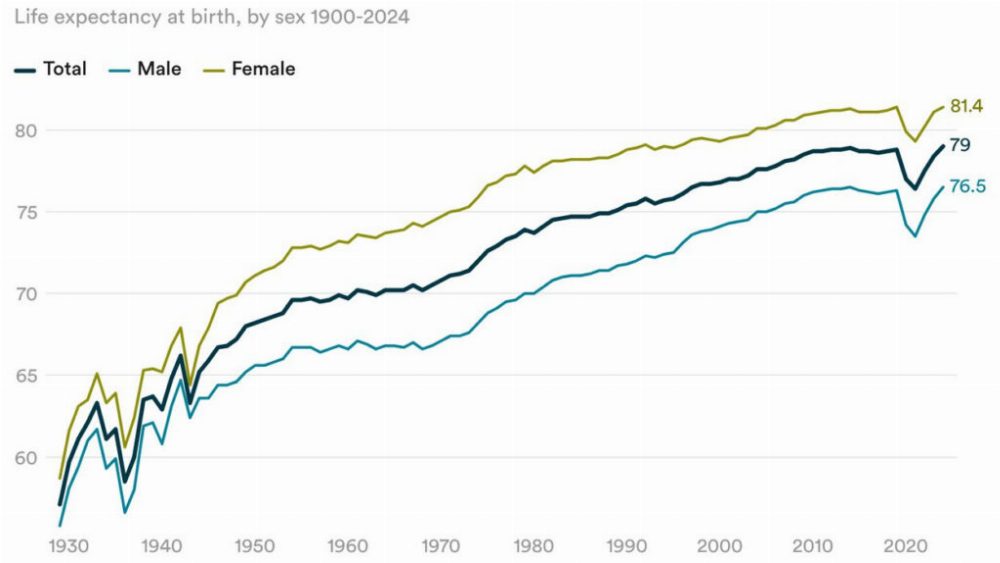
The latest data from the CDC indicates a positive trend in American life expectancy, which has surpassed pre-pandemic levels for the first time since 2019. Babies born in 2024 can expect to live an average of 79 years, marking an increase of 0.6 years from 2023 and 0.2 years from 2019.
This improvement is largely attributed to a significant decline in Covid-19 fatalities, as well as reductions in deaths from unintentional injuries, heart disease, cancer, and homicide. The CDC's findings reflect a gradual recovery in public health as the nation moves past the pandemic's harshest impacts.
In other health news, concerns have arisen regarding a proposed White House regulation that could increase political influence over federal science funding. Magdeleine Bradford-Butcher, a concerned parent, shared her personal experience with federally funded research that has benefited her daughter, who has cystic fibrosis. Her public comment opposing the regulation was among 42 that were reportedly removed without explanation, stirring controversy over transparency and free speech in scientific discourse.
Meanwhile, the issue of drug diversion in hospitals continues to create challenges for healthcare professionals. Chris Fortier, a former chief pharmacy officer, noted the pervasive nature of medication theft within medical facilities. New technologies utilizing machine learning and AI are being introduced to combat this issue, although experts caution that their effectiveness is reliant on proper implementation.
As the healthcare landscape shifts, the impending Medicaid cuts are already causing concern, especially in rural states like Maine. With a high percentage of the population relying on Medicare and Medicaid, healthcare leaders anticipate a decline in hospital services as these cuts take effect. Tom Judge, executive director of LifeFlight of Maine, remarked on the ongoing decline in services at smaller hospitals, raising alarms about future healthcare access as demand rises.
Additionally, a new study is set to explore alpha gal syndrome, a tick-borne red meat allergy, on Martha's Vineyard. Researchers aim to understand who develops the syndrome following tick bites and the underlying causes. This initiative follows a surge in cases on the island, highlighting the need for further investigation into tick-related health issues.
Lastly, a personal tragedy has sparked a reevaluation of cancer screening protocols for older adults in long-term care facilities. Kim Johnson, a cancer epidemiologist, reflected on her aunt's rapid decline from stage 4 breast cancer, emphasizing the lack of national guidelines for screening this vulnerable population. Her insights underscore the need for a balanced approach to cancer screening that considers both the potential benefits and risks for elderly residents.
Source: www.statnews.com
#alpha gal syndrome #CDC #healthcare #life expectancy #Medicaid cuts