Christian Group Challenges Dutch Government's Ban on Israeli Settlement Goods
By Editor • August 26, 2026 • 3 min read
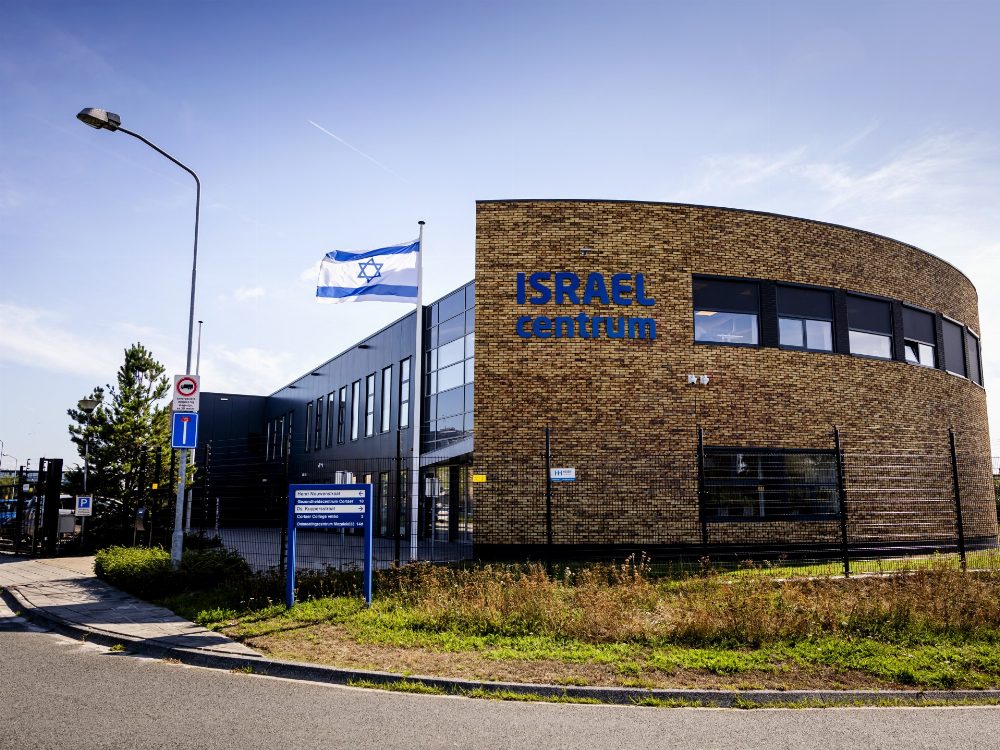
The Dutch evangelical organization Christians for Israel (CvI) is pursuing legal action against the Dutch government over a newly announced ban on importing goods from illegal Israeli settlements in the occupied West Bank and Golan Heights. This ban, set to commence on September 22, is part of a broader effort by the Netherlands to comply with international law regarding trade with these settlements.
In a court hearing scheduled for today, the Israel Product Centre (IPC), which operates under the umbrella of CvI, filed a summary proceeding to challenge the government's decision. The IPC argues that the ban is "one-sided" and that the time allocated to clear its existing inventory, particularly around 20,000 bottles of wine, is insufficient.
The IPC contends that the national import ban conflicts with European Union regulations that allow for the free movement of goods. Although EU guidelines stipulate that products from illegal settlements should be labeled as originating from Palestine rather than Israel, they do not impose a blanket ban on such goods, leaving individual countries to decide their own policies.
This legal conflict follows a history of mislabeling allegations against the IPC, which in 2021 was fined €2,100 (about $2,500) by the Dutch food safety authority for inaccurately labeling its wine as products from Israeli villages. The IPC had attempted to label its goods as coming from "an Israeli village in Judea & Samaria," a term used by the Israeli government for the West Bank, which has drawn criticism for failing to adhere to EU guidelines.
The situation escalated after the International Court of Justice (ICJ) issued an advisory opinion in July 2024, declaring Israel's presence in the occupied territories unlawful and urging countries to prevent trade that supports the ongoing settlement activities. In response, the Dutch parliament proposed an import ban, which was formalized in a national decree announced in July 2023.
CvI maintains that the West Bank is a "disputed territory" and asserts Israel's claims to sovereignty there, citing biblical references to justify their support for settlements. This stance diverges from the international community's classification of the area as occupied territory.
While some Christian organizations, such as the World Council of Churches, advocate for sanctions against Israeli settlements, others like Christians United for Israel actively fund these settlements and oppose export bans. This division reflects broader tensions within Western churches regarding the Israeli-Palestinian conflict.
The Netherlands is among a small number of EU countries enforcing import bans on goods from illegal settlements, with the market for such products estimated at $400 million annually. Recent investigations indicate that the Netherlands is the largest EU importer of these goods, with about 30 percent of such trade passing through its borders.
In contrast to the Netherlands, Spain has imposed a comprehensive ban on imports from illegal Israeli settlements, while Ireland has enacted similar legislation. Belgium is in the process of establishing new regulations for settlement products, although Slovenia's previous restrictions were recently reversed.
As discussions regarding an EU-wide ban continue, the diplomatic landscape remains fraught with opposing views. Israeli Foreign Minister Gideon Saar has criticized European governments that seek to implement ICJ recommendations as "shameful," reflecting the contentious nature of this issue across the continent.
Source: www.aljazeera.com
#Christians for Israel #Dutch government #import ban #International Court of Justice #Israeli settlements