Concerns Rise Among Tribes as Uranium Industry Expands in Utah
By Editor • August 18, 2026 • 3 min read
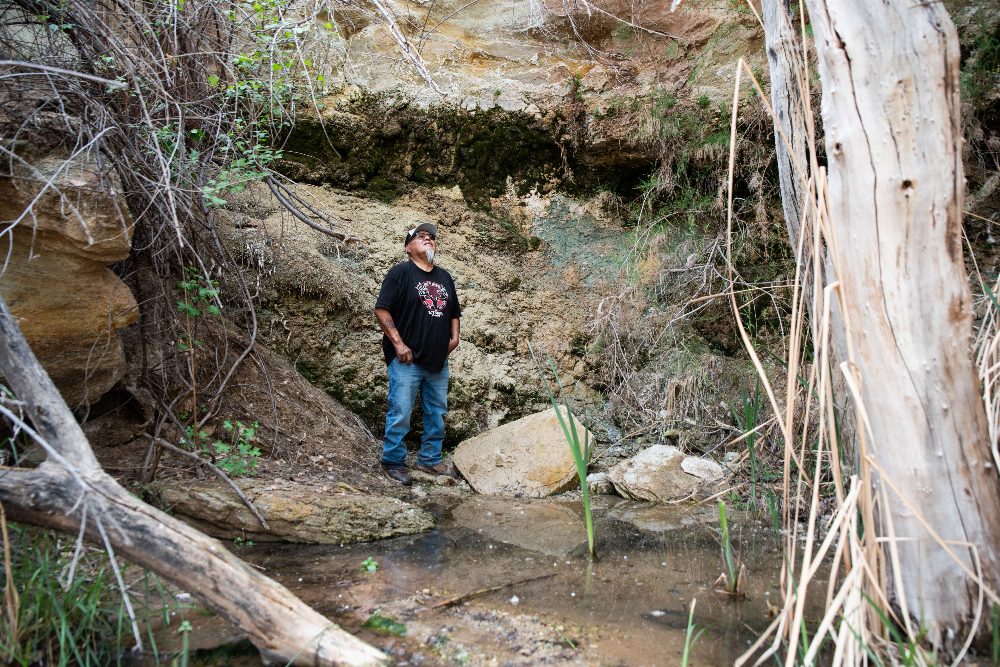
In the heart of Utah's rugged landscape, the Ute Mountain Ute tribe is grappling with the resurgence of the uranium industry, a development that has reignited longstanding health concerns. Malcolm Lehi, a member of the tribe, recently navigated the dirt roads of his homeland near White Mesa, where the nation’s last conventional uranium mill operates. This facility not only produces yellowcake for nuclear energy but also poses potential risks to local health and water safety.
The mill, established in 1980, has long been a source of contention. Tribal members, including Lehi and others, worry about the possibility of radioactive contamination affecting their water and air quality. Many in the Ute community, located just five miles from the mill, have opted for bottled water, skeptical of the safety of their local supply.
With the U.S. government ramping up domestic uranium production, urgency around these concerns has intensified. A new federal law, enacted in 2024, aims to phase out Russian uranium imports by 2028, compelling a push for local uranium sources. President Trump’s ambition to quadruple U.S. nuclear capacity by 2050 has led to expedited mining operations and environmental reviews, often leaving local communities with little time to voice their opinions. The Velvet-Wood uranium mine, for instance, was approved in just 11 days, a timeframe criticized by tribal leaders.
The increasing demand for uranium is evident, with trucks transporting ore to the White Mesa Mill from various mines, including those near the Grand Canyon. This burgeoning industry has united tribes like the Havasupai and Navajo, who share concerns over potential contamination of their land and drinking water from uranium waste.
Yolanda Badback, a prominent advocate from the Ute Mountain Ute tribe, expressed her frustration as she observed trucks loaded with uranium ore pass by her community. The mill reportedly receives 10 to 15 trucks daily, a stark reminder of the industry’s growing footprint. Last year, the mill produced one million pounds of yellowcake, a figure expected to more than double this year. In addition, it has started processing radioactive waste from international sources, further complicating the local health landscape.
Despite the mill's assurances of safety, skepticism persists among tribal members. Curtis Moore, a representative from Energy Fuels, which owns the mill, acknowledged the tribes’ historical distrust, stating, "They’ve been lied to before." However, he asserted that modern safety measures significantly reduce exposure to radiation. Nevertheless, many locals, including Lehi and Badback, remain unconvinced. Reports of foul-smelling, discolored tap water only heighten their concerns.
The history of uranium mining in the region is fraught with tragedy, having exposed many workers, particularly Navajo miners, to hazardous conditions and health risks without adequate warnings. This legacy amplifies the current apprehensions surrounding the White Mesa Mill, which is located near sensitive ecological sites like Bears Ears National Monument.
As plans unfold for the expansion of the mill’s waste storage, the local community organizes protests and spiritual walks, aiming to raise awareness about the potential dangers posed by toxic waste. Badback, along with others, is determined to halt the mill's expansion plans, fearing that new tailings cells could further jeopardize their already vulnerable water supply.
Source: kffhealthnews.org
#environmental concerns #nuclear energy #tribal health #uranium mill #Ute Mountain Ute