Desperate Living Conditions Persist for Johannesburg's Wembley Stadium Residents
By Editor • August 20, 2026 • 2 min read
Residents of Wembley Stadium in Johannesburg find themselves in dire circumstances, enduring squalid living conditions years after being promised temporary shelter. Approximately 350 individuals, many of whom lost their homes due to evictions or fires, are crammed into tents and makeshift shacks that have become a breeding ground for rats and rubbish.
Since 2016, the City of Johannesburg has housed these families under the guise of temporary emergency accommodation (TEA). However, the reality is far from the promised six-month stay, with no tangible plans for relocation to permanent housing. Ethel Musosoza, who moved to the stadium following her eviction in 2017, lamented the drastic decline in living conditions: "When we got here there was electricity, and the toilets and water were working. Now we have none of those things."
The situation is exacerbated by a lack of basic services, leading to violence and drug use within the community. Musosoza described the environment as "dark and dirty and unsafe," particularly for women. The residents' plight has not gone unnoticed, as they were moved to Wembley Stadium following orders from the Gauteng Division of the High Court, which mandated that the City assess those at risk of homelessness and provide adequate emergency accommodation.
Despite official recognition of the unsustainable living conditions, an initial promise of prefabricated units with proper facilities has not been fully realized. The City did introduce some container homes, but they are reportedly reserved for South Africans, leaving many immigrants in the main stadium area to languish in inadequate shelters.
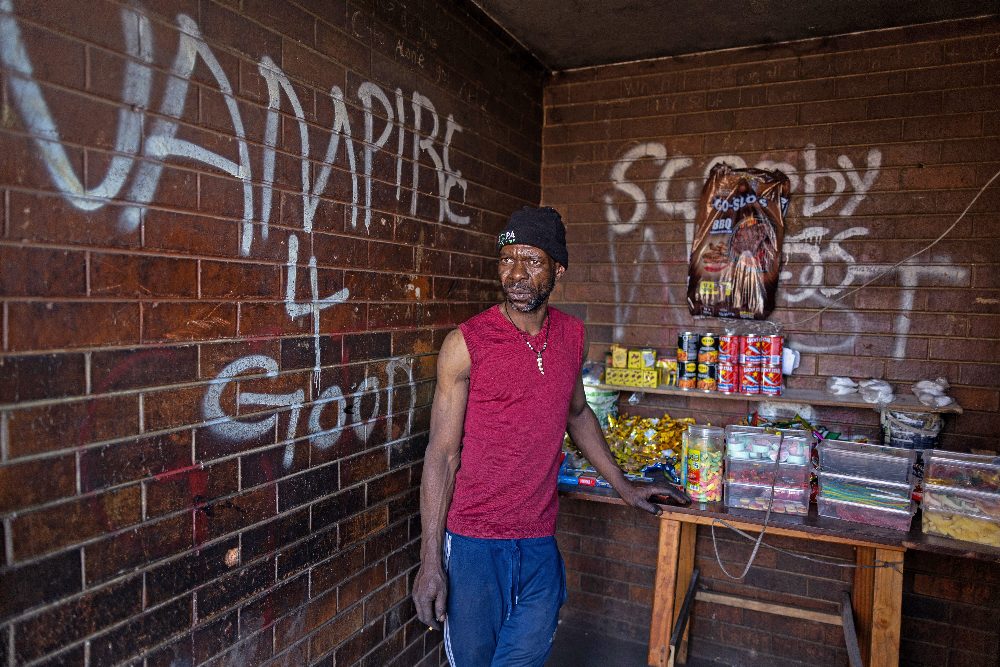
A Tanzanian man, who lost his passport and possessions in a fire, now sells snacks in the stadium’s corridors to survive. He expressed his despair: "I can’t go anywhere else because I don’t have enough money. I can’t get a job because I don’t have a passport anymore. The government said they would help us get new passports after the fire, but we are still waiting."
The City of Johannesburg has remained silent on the situation, with a spokesperson citing legal advice against discussing Wembley Stadium. This silence comes despite the City's own TEA policy stipulating that individuals should not remain in emergency accommodation longer than six months.
The funding allocated to TEA facilities has also plummeted, decreasing from R30 million in 2020/21 to just R3.3 million in 2024/25. The Socio-Economic Rights Institute of South Africa (Seri) has pointed out that many residents find themselves trapped in TEA due to ongoing systemic issues, including a lack of affordable housing. Matthew Wilhelm-Solomon, an anthropology lecturer at Wits University, emphasized the need for TEA to provide more than just a temporary solution, insisting that dignity and privacy must be integral to emergency accommodations.
Source: www.dailymaverick.co.za
#emergency accommodation #housing crisis #Johannesburg #temporary housing #Wembley Stadium