Devastating Flash Floods in Nepal Raise Alarm Over Glacial Instability
By Editor • August 28, 2026 • 2 min read
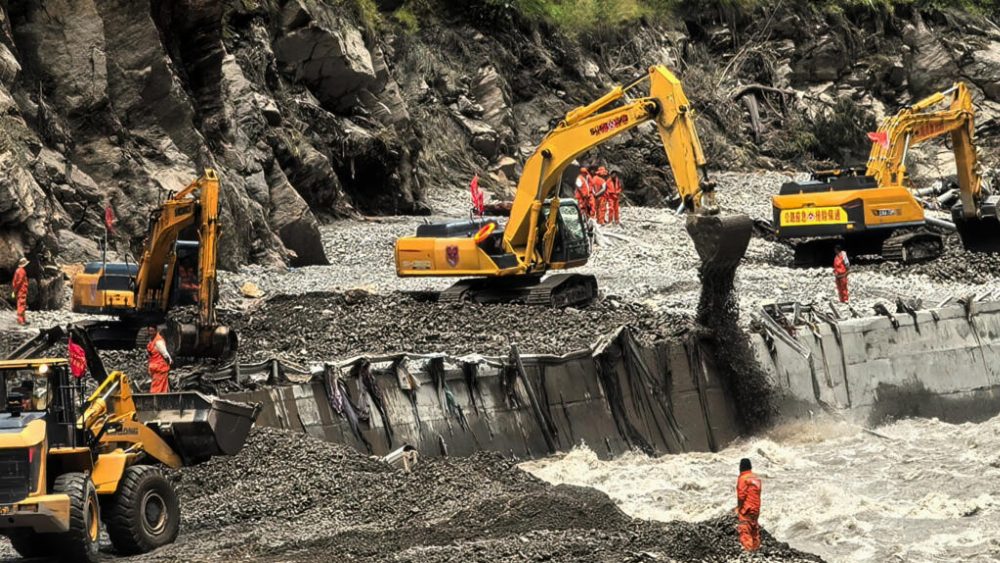
A catastrophic flash flood struck Nepal on August 26, 2026, likely triggered by a significant glacier collapse, according to preliminary investigations. The sudden surge of water, which resulted in hundreds of fatalities and many missing, is raising urgent concerns about the increasing risks posed by warming glaciers in the Himalayan region.
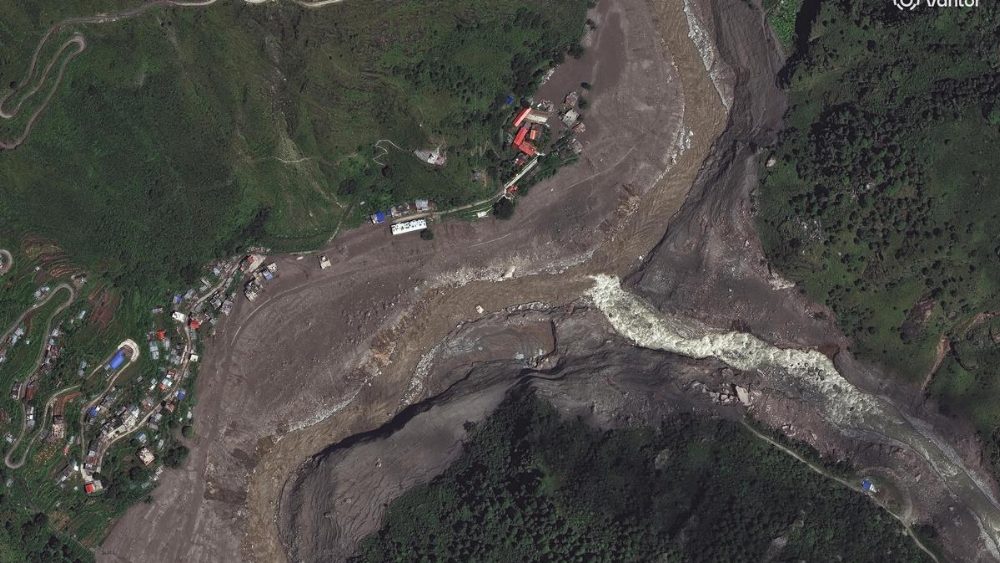
The U.S. Geological Survey reported a magnitude 5.2 glacier collapse that unleashed debris downstream, causing widespread destruction in areas like Syapru Besi. Scientists from the University of Graz, including geoscientist Jakob Steiner, likened the event to a massive explosion, noting that a large section of a glacier fell away as if it had been sliced off, creating chaos in its aftermath.
While researchers caution against directly linking global warming to this specific disaster, they acknowledge that rising temperatures, exacerbated by human activities, are likely increasing the frequency of such events in the Himalayas, which are warming at an alarming rate. Saswat Sanyal, a disaster risk reduction specialist, emphasized the need for caution in drawing conclusions but confirmed that the region's glaciers are melting more rapidly as temperatures rise.
The flash flood caused river levels to rise dramatically, with water surging up to 9 meters (29.5 feet) in just 30 minutes. This sudden influx may have been exacerbated by debris temporarily damming the river, leading to an explosive release of water downstream. The destruction has not only displaced hundreds but has also severely damaged critical infrastructure, including hydropower facilities and roads.
The Hindu Kush Himalaya region, housing over 63,000 glaciers that support major Asian river systems, is particularly vulnerable to climate change. With approximately 78% of glaciers at altitudes between 4,500 and 6,000 meters exposed to warming, climate scientists warn that the likelihood of disasters like this flood is only expected to increase.
Steiner noted that the last decade has seen unprecedented heat, contributing to the accelerated melting of glaciers. From 2000 to 2019, glaciers lost about 267 gigatons of ice annually, equivalent to the mass of around 46,500 Great Pyramids of Giza. If current trends continue, projections indicate a potential loss of up to 50% of these glaciers by 2100, even if global warming is limited to 1.5 degrees Celsius.
In light of these alarming trends, the need for improved early warning systems and monitoring of glacial and mountain hazards is becoming increasingly critical. Sanyal pointed out that the rapid onset of such disasters leaves little time for effective response, often mere minutes to prepare for an impending catastrophe.
Steiner expressed concern that Nepal's ongoing vulnerability to climate-related disasters, including flash floods and avalanches, has not prompted sufficient action from authorities. He stressed that while solutions are known, coordination among various stakeholders remains a challenge. As Nepal attracts over a million tourists annually, enhancing safety measures for both residents and visitors in these high-risk areas is essential.
Source: www.thehindu.com