Digital Nomads Reshape Urban Landscapes: Who Stays When Cities Transform?
By Editor • August 20, 2026 • 2 min read
The emergence of digital nomadism is dramatically reshaping urban environments, especially in cities like Lisbon, Mexico City, Athens, and Bali. As location-independent workers flock to these destinations, their presence alters everything from housing to local businesses, raising pressing questions about who truly benefits from these changes.
In Lisbon, the transformation is strikingly evident. The city has embraced policies aimed at attracting foreign investment, particularly after Portugal's financial crisis. Programs like the Golden Visa and the recently introduced D8 digital nomad visa have made it easier for international professionals to settle in the city. This influx has prompted a shift in real estate, where traditional residential properties are increasingly converted into short-term rentals or high-end apartments designed for transient occupants, often leaving local residents priced out of their neighborhoods.
Similarly, in Mexico City, the allure of culture, climate, and affordability draws remote workers, particularly to areas like Roma Norte and Condesa. However, this influx has led to a homogenization of spaces, characterized by a common aesthetic dubbed 'AirSpace' by writer Kyle Chayka. This term encapsulates the trend of cafes, coworking spaces, and rentals adopting a similar visual language, making them feel interchangeable across cities. As furnished apartments catering to this new demographic become more common, local businesses are replaced by establishments aimed at international clientele, fundamentally altering the character of neighborhoods.
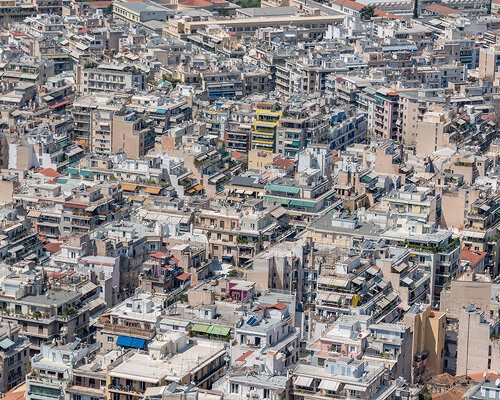
Meanwhile, in Athens, the polykatoikia, a post-war apartment block model, is under siege from the rise of short-term rentals. As ground-floor shops and cafes are converted into hotel lobbies or rental units, the vibrant mix of local life that once thrived in these buildings is being disrupted. Entire blocks are being acquired by investors, leading to a community increasingly focused on short-term visitors rather than long-term residents.
On the island of Bali, the consequences of this shift extend even further, affecting agricultural landscapes. In areas like Canggu and Uluwatu, the development of villas and co-working spaces is encroaching on traditional agricultural practices and irrigation systems. This not only alters the landscape but also places pressure on local resources, creating a complex conflict between the needs of new residents and the existing agricultural communities.
These examples underscore a pivotal concern: while cities become attractive to digital nomads through their affordability and lifestyle offerings, the existing residents often find themselves marginalized. As urban landscapes evolve to accommodate high-earning visitors, the challenge remains—who gets to stay in these rapidly transforming cities?
Source: www.designboom.com
#digital nomad #gentrification #globalization #real estate #urban transformation