From Rebellion to Anthem: The Rise of 'Azadi' in Student Protests Across India
By Editor • August 15, 2026 • 3 min read
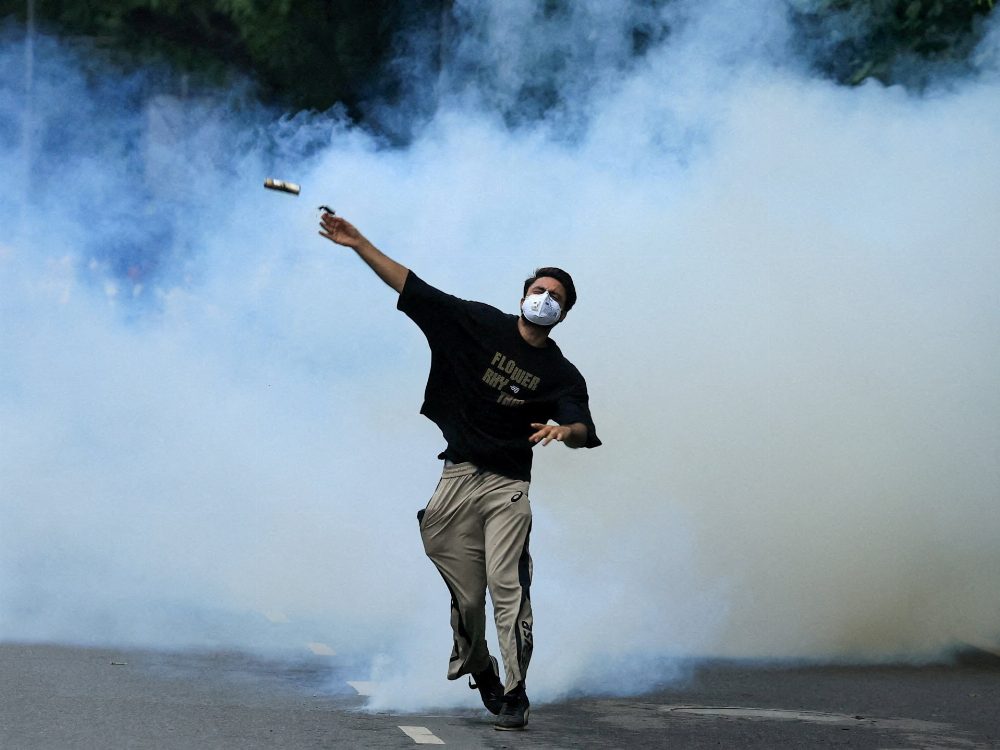
New Delhi, India — On July 26, city workers were dispatched early to erase the graffiti that had adorned the walls near the Jantar Mantar observatory, remnants of a recent wave of protests that had sent shockwaves through the political landscape. Just a day earlier, the Cockroach Janta Party (CJP) had led a demonstration against an exam leak scandal, culminating in the resignation of Education Minister Dharmendra Pradhan.
The protest bore a striking banner that proclaimed: “#2026 Gen-Z REVOLUTION!!!” As a young man perched in a tree energized the crowd with a powerful loudspeaker, the rallying cry of “Azadi, give me freedom!” reverberated—a potent reminder of the growing resistance against Prime Minister Narendra Modi’s Hindu nationalist government.
The phrase “Azadi,” which translates to “freedom,” has undergone a significant transformation in its connotations within India. Once a term that sent shivers down the spine of authorities, associated with treason and dissent, it has emerged as an anthem for student protests in the face of governmental repression. In light of recent events, this nearly decade-old chant has found new life, resonating in cities from Delhi to Mumbai and Jaipur.
Historically, Azadi chants gained notoriety during a pivotal event on December 9, 2016, at Jawaharlal Nehru University (JNU), where students gathered to discuss capital punishment. What was intended to be an ordinary meeting spiraled into a national controversy, as footage of students chanting Azadi slogans was broadcast repeatedly on television, framing them as anti-national sympathizers of terrorism.
As a result of this media frenzy, prominent student leaders like Umar Khalid became symbols of the conflict between student activism and state power. The fallout from this incident led to arrests and a targeted campaign against dissenters, with the government tightening its grip on free expression within Indian universities.
The tension escalated further in 2016 following the tragic suicide of Dalit student Rohith Vemula, igniting protests against caste discrimination. These events marked the beginning of a systematic effort to stifle dissent in Indian academia, leading to increased police presence and hostile environments for student activists.
In the years following, the protests against the Citizenship Amendment Act (CAA) in 2019 saw a resurgence of the Azadi chants, as student leaders rose to prominence once again, advocating against perceived discrimination of Muslims in India. However, this mobilization was met with severe crackdowns, resulting in the imprisonment of numerous activists.
As the Azadi chant transitioned into a musical phenomenon, it gained further traction when featured in the 2019 film Gully Boy, a project inspired by the struggles of Mumbai rappers. Although the film’s rendition of Azadi was criticized for diluting the original calls for social justice, it nonetheless provided a new platform for the chant, inspiring a new generation of activists.
The evolution of the Azadi slogan reflects a broader narrative of resistance that has its roots in the feminist movements of Pakistan during the 1980s and has since been adopted by various social justice movements across the subcontinent. As noted by the late activist Kamla Bhasin, the Azadi chants are “living, breathing slogans” that continue to adapt and resonate with the struggles of today’s youth.
Source: www.aljazeera.com