Edinburgh TV Festival's Final Bow: A Shift to Manchester and Industry Insights
By Editor • August 28, 2026 • 2 min read
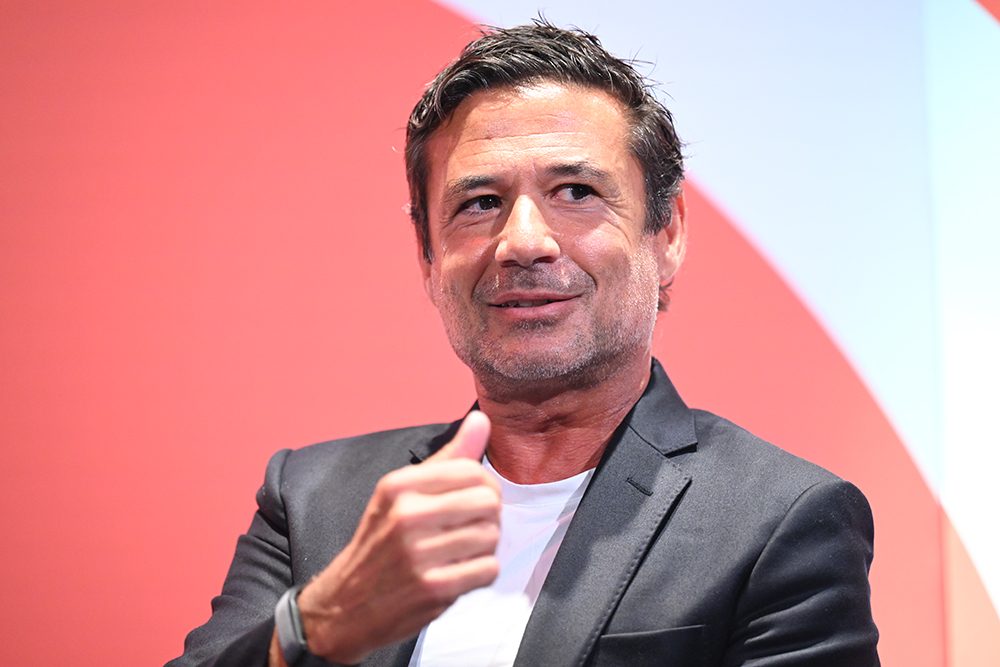
The Edinburgh TV Festival closed its doors this year, marking the end of an era as it prepares to relocate to Manchester after fifty years in the Scottish capital. This final gathering was charged with nostalgia, yet the discussions centered more on the challenges facing the TV industry than on the festival’s bittersweet transition.
YouTube was a dominant topic of conversation, highlighted by a keynote address from Pedro Pina, the platform's EMEA boss. Pina aimed to reshape perceptions of the video-sharing platform, asserting it was "not the villain" in the broadcasting landscape. However, skepticism remained palpable among attendees, particularly from traditional broadcasters. ITV's Kevin Lygo dismissed Pina's £3 million investment pledge for U.K. content, underscoring that ITV alone invests £1.2 billion annually in programming. Similarly, Channel 5's Ben Frow echoed this sentiment, arguing that public service broadcasters (PSBs) still offer a more substantial platform than YouTube.
The BBC's new director-general, Matt Brittin, who previously worked with Pina at Google, took a more conciliatory stance, suggesting the BBC could explore creating its own localized news platform. Regardless of differing views, YouTube’s influence continues to grow, with its viewership now eclipsing that of many traditional networks.
Amidst ongoing discussions about duty of care in reality TV, particularly after recent scandals involving shows like Channel 4's "Married at First Sight" U.K., the importance of safeguarding participants was underscored. Kiran Nataraja from Channel 4 navigated tough questions about their programming's ethics, while Netflix’s Syeda Irtizaali assured audiences that duty of care is integral to their upcoming shows.
For independent producers who paid handsomely to attend the festival, the pressing question was about the current commissioning landscape amid industry consolidation. Responses revealed a sobering reality: many PSBs are scaling back. Channel 4 admitted that commissioning was "slower" pending a new director of programs, while Channel 5's Frow mentioned limited high-budget opportunities, focusing instead on lower-cost productions.
In contrast, streaming services like Netflix and Prime Video are in a growth phase, with Netflix announcing a slew of upcoming shows, including new seasons of "Black Mirror" and spin-offs from "Top Boy." Prime Video's Nicole Clemens echoed the sentiment that they are actively seeking fresh content, while Disney+ aims to triple its local original content globally.
The festival's impending shift to Manchester was a bittersweet topic, with many attendees expressing disappointment. Though the move is partly due to financial considerations—Edinburgh's festival coinciding with the expensive Fringe season—concerns linger about the new event's scheduling and integration into the existing TV calendar, which is already packed with key industry events.
As Edinburgh prepares to say goodbye to its iconic festival, local creative organizations are not standing idle. Plans are underway to establish a new media conference to fill the gap left by the festival's departure. The sentiment among attendees was clear: while Manchester will welcome the festival, the charm and creative spirit of Edinburgh will be sorely missed.
Source: variety.com
#commissioning #Edinburgh TV Festival #Manchester #TV industry #YouTube