Educational Institutions Must Adapt to Heatwaves for Student Well-Being
By Editor • August 31, 2026 • 2 min read
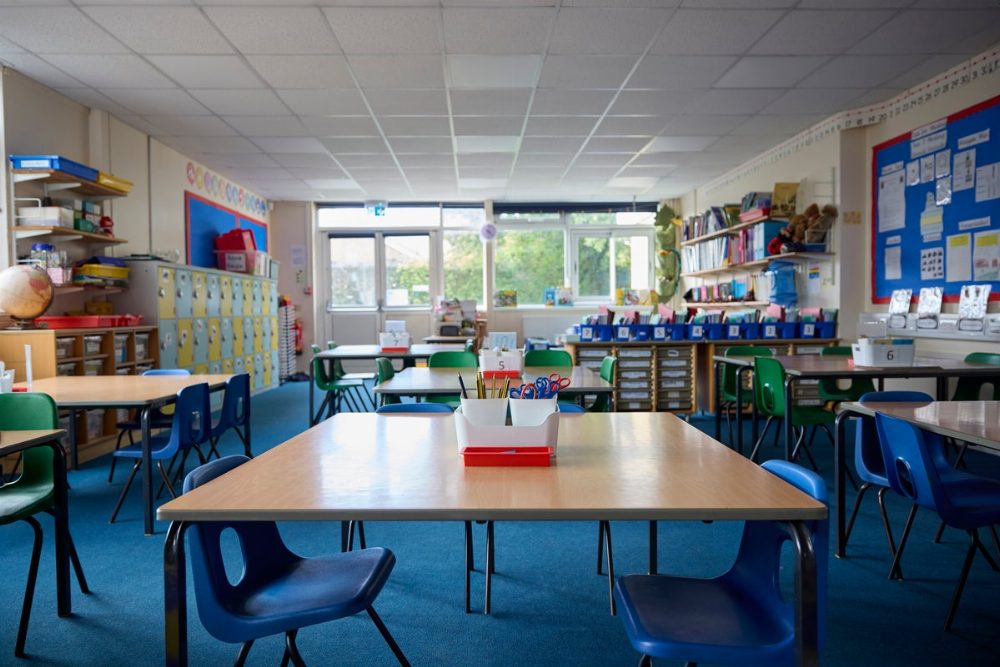
The UK has experienced a summer of record-breaking heat, raising urgent concerns for schools as they prepare for the challenges of the new academic year. With predictions indicating that 2026 could usher in a 'new normal' of extreme heat, educational leaders are grappling with how to ensure student safety and learning in increasingly hot conditions.
This past summer, the Met Office reported unprecedented weather patterns, with five heatwaves contributing to four consecutive months of temperatures exceeding 35°C. Many schools, lacking air conditioning and proper ventilation, were forced to close or send students home early. The National Education Union (NEU) suggests a maximum indoor temperature of 26°C for classrooms, yet no statutory limit exists.
School leaders face a tough decision: keep schools open, risking student discomfort, or close them, which disrupts education and creates logistical problems for working parents. Russell Hobby, chief executive of The Kemnal Academies Trust, emphasizes the importance of keeping children in school, stating, “Children should be in school, they should be learning, and they tend to be safer in school.”
In the face of these challenges, innovative strategies have emerged. Many headteachers are relaxing uniform policies, allowing students to wear more comfortable clothing, while others are relocating classes to cooler areas. For instance, Guernsey’s La Houguette Primary School temporarily moved classes to WWII bunkers to escape the heat.
Despite these efforts, rising temperatures are shown to negatively impact academic performance. The Climate Change Committee (CCC) has noted that taking exams in 32°C conditions decreases the likelihood of passing by 10% compared to more moderate temperatures.
Proposals for addressing these issues include starting the school year earlier in August or adjusting school hours to take advantage of cooler mornings. However, these changes come with their own set of challenges, according to Hobby, who warns that altering exam dates could reduce preparation time.
Experts are calling for sustainable, long-term solutions as heatwaves become more frequent. The CCC anticipates schools will face around 90 days above 26°C by century’s end, with the need for active cooling systems becoming crucial. The government is currently reviewing the CCC's recommendations, which include a £710 million renewal program and plans for substantial school rebuilds.
Source: www.independent.co.uk
#climate change #education #heatwaves #student safety #UK schools