Egypt's Diplomatic Strategy Faces New Tests with Ethiopia's Dam Plans
By Editor • August 21, 2026 • 2 min read
As Ethiopia gears up to advance three new hydropower projects on the Blue Nile, Egypt is pivoting its strategy from direct opposition to a focus on diplomacy and regional cooperation. The proposed dams—Karadobi, Mandaya, and Beko Abo—are part of Ethiopia's broader ambition to enhance its electricity generation capacity, aiming for a combined output of around 5,700 megawatts.
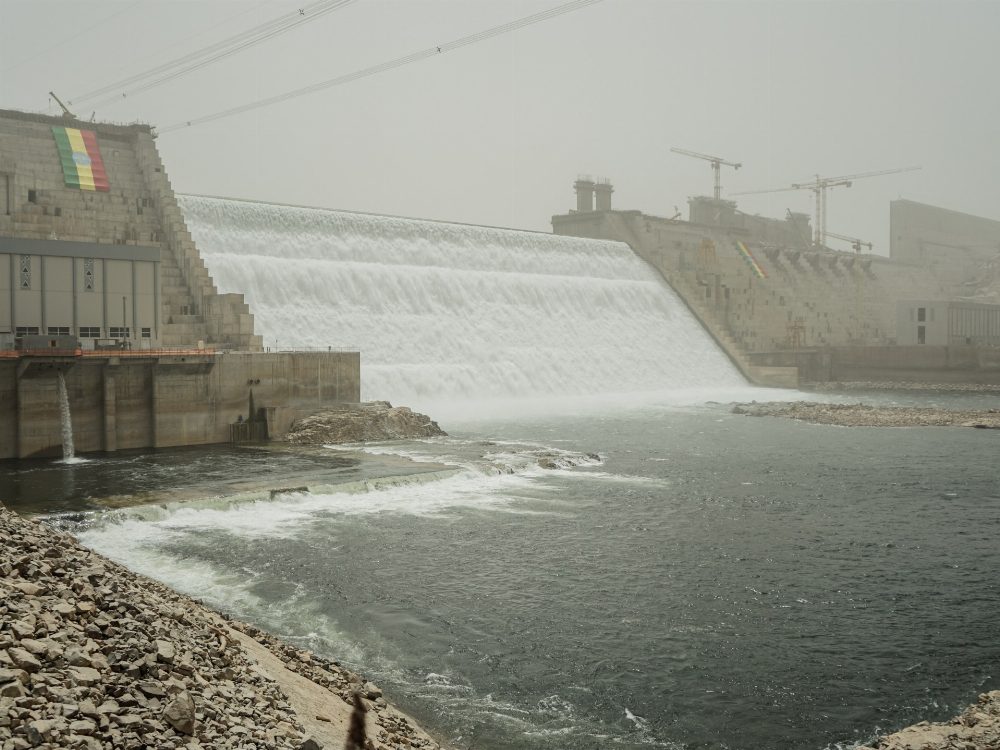
While these projects have been in discussion for years, Ethiopia's recent announcement signals a decisive move to push forward with their development, following the controversial inauguration of the Grand Ethiopian Renaissance Dam (GERD) in September 2025. This landmark project, which has drawn criticism from both Egypt and Sudan, underscores the heightened tension surrounding Nile water resource management.
For Egypt, the Nile represents a critical source of freshwater, and any upstream developments are viewed through a lens of national security. The Egyptian government is less concerned about Ethiopia generating power and more focused on how water management upstream could affect its water supply, particularly during drought conditions. This concern has driven Egypt to advocate for binding agreements regarding dam operations and information sharing, which it argues are necessary to safeguard its water rights.
In the wake of the GERD's completion, which Egypt claims violated international obligations, Cairo's diplomatic efforts have evolved. Instead of attempting to halt Ethiopia's dam projects outright, Egypt is now working to influence how these projects are managed and operated. This shift highlights the limitations of Egypt's previous strategies, which have not successfully prevented Ethiopia from pursuing its hydropower initiatives.
With Sudan positioned between the two nations, its role is pivotal. Sudan shares some of Egypt’s concerns but also has its own priorities, including the need for stable river flows and access to Ethiopian electricity. Sudanese governance expert Mekki Elmograbi emphasized that transparency from Ethiopia is essential for fostering cooperation and ensuring that Sudan’s interests are not compromised.
As tensions mount, analysts like Abdiwahab Sheikh suggest that Egypt possesses "meaningful but limited leverage" over Ethiopia. The best path forward, they argue, lies in collaborative efforts to establish clear rules for information exchange, adaptive dam management, and drought response mechanisms. This approach could potentially mitigate conflicts and foster a cooperative environment among the three nations.
Ultimately, the next phase of dam developments on the Blue Nile will serve as a significant test for Egypt's diplomatic strategy. Whether Cairo can effectively translate its diplomatic pressure into practical influence remains to be seen as Ethiopia moves forward with its ambitious hydropower plans.
Source: www.aljazeera.com