Empowering Rural Iraq: A Solar Revolution in Kulak
By Editor • August 21, 2026 • 2 min read
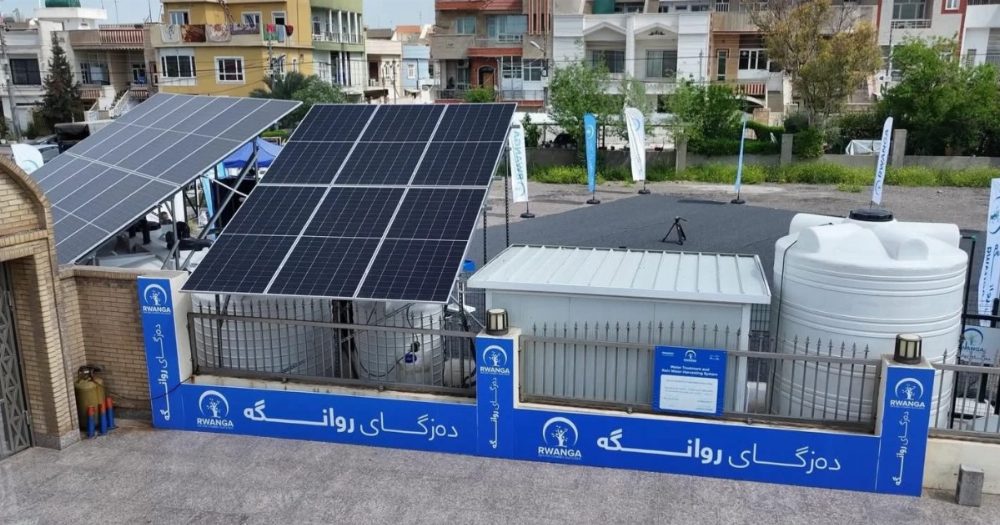
In the small village of Kulak, nestled in Iraq's semi-autonomous Kurdistan region, a solar revolution has transformed daily life. Gone are the days when residents relied on a generator for electricity, enduring unpredictable power cuts that dictated their daily routines. With the installation of solar panels, Kulak is now powered continuously by the sun, enabling water pumps to function consistently and providing reliable cold storage for farmers.
This shift highlights a critical aspect of the energy transition that often gets overlooked: the importance of local capacity. Installing solar panels is just the beginning; the real challenge lies in ensuring that communities can maintain these systems and leverage reliable power for agricultural and economic stability.
Iraq's energy narrative is complex. While it stands as a major oil producer, many rural areas still grapple with frequent power outages. The United Nations has identified Iraq as one of the nations most vulnerable to climate change impacts, including severe droughts and extreme heat. As families face tough decisions about their livelihoods, the shift to decentralized energy solutions offers a promising alternative.
Kulak is one of five villages in the region benefiting from a solar initiative that integrates infrastructure with local training and agricultural development. Residents are equipped with the skills needed to operate and maintain their systems, fostering a sense of ownership over their energy resources. This approach not only empowers individuals but also enhances agricultural practices, enabling farmers to store their harvest for better pricing and reducing dependence on costly diesel fuel for irrigation.
The successful implementation of these projects underscores a vital lesson: sustainable development must prioritize local involvement from the outset. Without proper training and community engagement, even the most well-intentioned infrastructure can falter. The goal is to create a model where energy is viewed as a manageable asset rather than a temporary solution.
As Iraq continues to navigate its energy transition, the focus on decentralized solutions is essential. Rural communities cannot wait for the national grid to expand; they require immediate, practical responses that can be implemented at the local level. This grassroots approach not only addresses immediate needs but also paves the way for a more resilient and sustainable future.
Source: www.aljazeera.com
#Iraq #Kurdistan #rural communities #solar energy #sustainable development