Erin Patterson's Defense Claims Hotel Mix-Up Compromised Justice
By Editor • August 19, 2026 • 2 min read
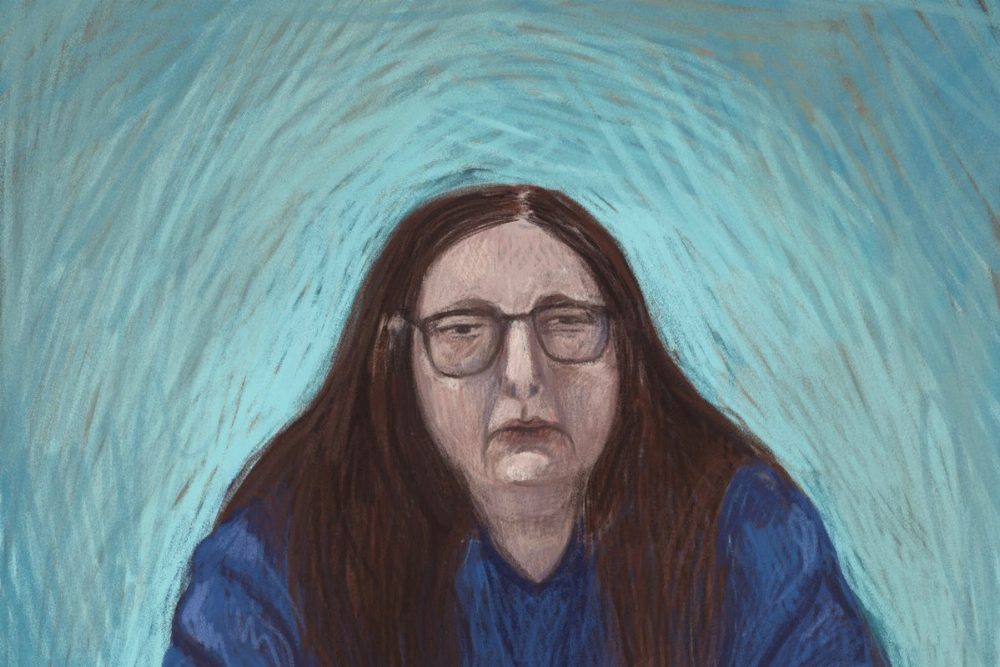
In a dramatic appeal hearing on Wednesday, Erin Patterson’s legal team contended that a critical error during her trial compromised the integrity of the justice system. Patterson, who was convicted for the murder of three relatives by poisoning them with death-cap mushrooms, is currently serving a life sentence. Her barristers argued that housing jurors in the same hotel as police and prosecution officials represented a 'catastrophic' failure.
Appearing via video link, the 51-year-old Patterson listened as her attorneys, Richard Edney and Veronika Drago, presented multiple grounds for appeal to the Victorian Court of Appeal. The most pressing concern revolved around the accommodation arrangements for jurors in Morwell. Edney emphasized that this arrangement could have created a subconscious influence on the jurors, undermining the fairness of the trial.
Brendan Kissane KC, representing the prosecution, countered these claims, asserting that there was no evidence of interaction between jurors and prosecution members. He noted that jurors were placed on a separate floor with distinct dining facilities, and that measures were in place to prevent any improper communication. Kissane admitted that the trial judge, Christopher Beale, would likely have rejected the hotel arrangement had he been aware of it beforehand. However, he stressed that the situation arose accidentally and did not constitute a failure of justice.
Beyond the hotel mix-up, Patterson's defense raised additional concerns regarding the admissibility of evidence during the trial. They argued that testimony related to cell tower data and sightings of death-cap mushrooms recorded on a citizen science website was unfairly prejudicial. The prosecution had utilized this evidence to assert that Patterson had the opportunity to gather mushrooms prior to the fatal meal. The defense argued this evidence was speculative and did not definitively prove that Patterson had accessed the mushrooms.
Moreover, the defense challenged the exclusion of photos and videos from Patterson's home that they claimed supported her defense of having foraged mushrooms previously. They argued that the trial judge's ruling on this evidence negatively affected the defense's case. Their arguments extended to the conduct of the prosecution during cross-examination and closing statements, which they described as unfair and misleading.
Additionally, they criticized the prosecution for allegedly introducing a new motive during their final address, which they claimed deviated from the original case. The defense is also contesting the inclusion of Patterson's Facebook evidence, arguing that it was irrelevant and disproportionately prejudicial against her.
Source: www.independent.co.uk
#appeal #defense #Erin Patterson #mushrooms #prosecution #trial