Escalating Violence in Gaza Following Kushner's Departure
By Editor • August 25, 2026 • 2 min read
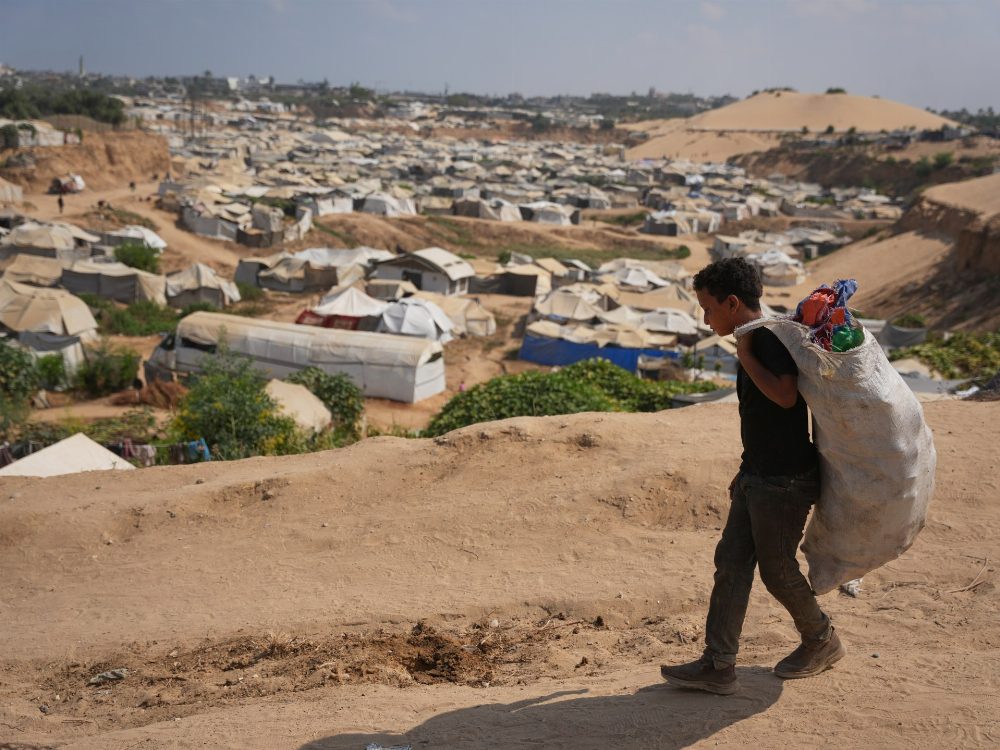
As the specter of renewed conflict looms over Gaza, the recent departure of U.S. envoy Jared Kushner has marked a troubling shift in the region. Just hours after Kushner concluded discussions with Israeli Prime Minister Benjamin Netanyahu, Israeli airstrikes resumed, targeting residential areas and resulting in tragic casualties.
Kushner's meetings on August 17 aimed to salvage a tenuous ceasefire, leading to the establishment of two working groups focused on disarmament and humanitarian concerns. However, these discussions highlighted the deep-seated issues that remain unresolved: Israel's steadfast refusal to withdraw from Gaza, driven by concerns over Hamas's disarmament and an ongoing blockade that restricts essential supplies for rebuilding efforts. In stark contrast, Hamas has accused Israel of violating the terms of the U.S. peace plan, asserting that the Israeli attacks contradict the agreement laid out by former President Trump.
Despite Kushner's cautions regarding military action against “imminent threats,” Israeli forces interpreted this broadly, leading to a series of strikes that have raised alarms. One particularly devastating strike hit a crowded café at Gaza City’s port, killing at least seven, including a child. The next day, a strike on the former police headquarters claimed nine lives, including key police officials and a young girl. This raised questions about Israel's strategy, especially as these officials were reportedly preparing for the disarmament process that Israel demands.
Throughout the week, the military campaign escalated further, with drone attacks and additional strikes continuing unabated. The situation intensified dramatically when Israeli Defense Minister Israel Katz declared that any kites or balloons launched from Gaza would be treated as acts of war. Following this rhetoric, further attacks resulted in the deaths of several more Palestinians, including a four-year-old boy.
The toll since the ceasefire began in October has been staggering, with Gaza’s Ministry of Health reporting 1,288 deaths and 4,290 injuries. The total number of Palestinians killed since October 7 has reached a harrowing 73,422.
Amid this violence, Israel has simultaneously accelerated its settlement activities in the occupied West Bank and East Jerusalem. On August 18, the government issued tenders for over 1,200 new housing units in East Jerusalem, a move that has drawn international condemnation. Countries including the UK, France, and Germany labeled these developments as 'unacceptable,' warning of potential legal ramifications for those involved.
In a notable contrast, U.S. officials have remained largely noncommittal regarding specific settlement projects, while the U.S. Ambassador to Israel has publicly condemned settler violence against Palestinian properties. As tensions rise, the complex dynamics between the U.S. and Israel reveal a significant gap between verbal condemnation and tangible action.
Beyond the immediate violence, reports indicate that settler attacks and demolitions have displaced more Palestinians in the first four months of 2026 than in the entirety of 2025. The UN has documented numerous incidents, including assaults on civilians and destruction of property, raising serious concerns about the ongoing humanitarian crisis.
Source: www.aljazeera.com