Exploring Affordable Housing: Lessons from Rome and Vienna
By Editor • August 20, 2026 • 2 min read
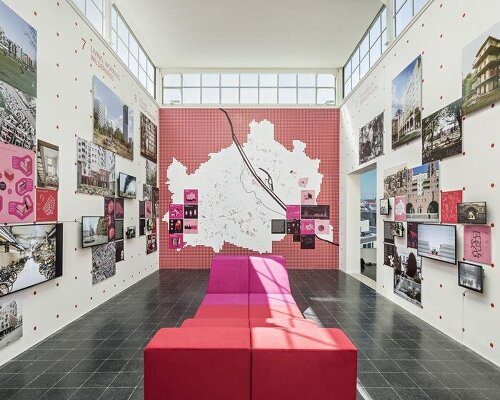
The quest for affordable housing is a pressing global issue, as highlighted at the Agency for Better Living installation at the 2025 Biennial of Architecture in Venice. Curators Lorenzo Romito, Sabine Pollak, and Michael Obrist gathered insights from two European cities, Rome and Vienna, which have approached affordable housing in markedly different ways. Their goal was to provide a space for discussion and innovation regarding the ongoing housing crisis.
During a recent conversation, Romito, Pollak, and Obrist reflected on their experiences at the pavilion, emphasizing the urgency of the housing crisis. Pollak shared his involvement with Spin Time Labs in Rome, a once-occupied space that housed over 400 individuals before its disbandment, leaving many vulnerable during extreme weather conditions. This situation underscores the broader struggles faced by urban residents worldwide in securing affordable housing.
Obrist noted that the financialization of the housing market and delayed government responses have exacerbated the crisis, making it increasingly difficult for city-dwellers to find affordable options. The pavilion showcased their research through various multimedia presentations that illustrated the historical and contemporary contexts of housing in both cities.
The curators identified Vienna as a prime example of a 'top-down' approach to affordable housing. With around 60% of its residents living in social housing or government-subsidized homes, Vienna has successfully implemented a vision that goes beyond mere cost-effectiveness. This includes integrating essential services and community spaces into housing developments, fostering a more inclusive urban environment.
Conversely, Rome represents a 'bottom-up' model, where housing solutions have emerged from grassroots movements rather than direct government intervention. Romito's deep understanding of Rome's housing rights movements provided invaluable context for the project. The curators recognized that the terms 'top-down' and 'bottom-up' are not strictly defined, as both cities have seen collaborative efforts between grassroots organizations and governmental bodies.
As they examined the interplay between these contrasting approaches, the curators found that the combination of Vienna's structured policies and Rome's community-driven initiatives sparked rich discussions about potential solutions to the housing crisis. Pollak emphasized that this comparison revealed a spectrum of possibilities, encouraging reflection on the diversity of approaches necessary to address urban housing challenges.
Looking back on the impact of the Agency for Better Living, the curators noted that the conversations initiated in Venice continue to resonate as advocates work toward change. Romito highlighted ongoing negotiations surrounding Spin Time, where community members advocate for their rights amid urban pressures. He expressed a readiness to return to the field, emphasizing the humanitarian aspect of the crisis as many remain homeless.
The insights gathered from the pavilion have not only fostered dialogue but have also influenced local actions, as evidenced by Vienna’s mayor visiting Spin Time Labs to engage with the principles discussed at the Biennial. This ongoing interaction between urban advocacy and policy demonstrates the potential for collaborative solutions to emerge from these different housing models.
Source: www.designboom.com
#affordable housing #Agency for Better Living #architecture #Rome #Vienna