Exploring France's Hidden Gem Islands: A Journey Through History and Flavor
By Editor • August 22, 2026 • 3 min read
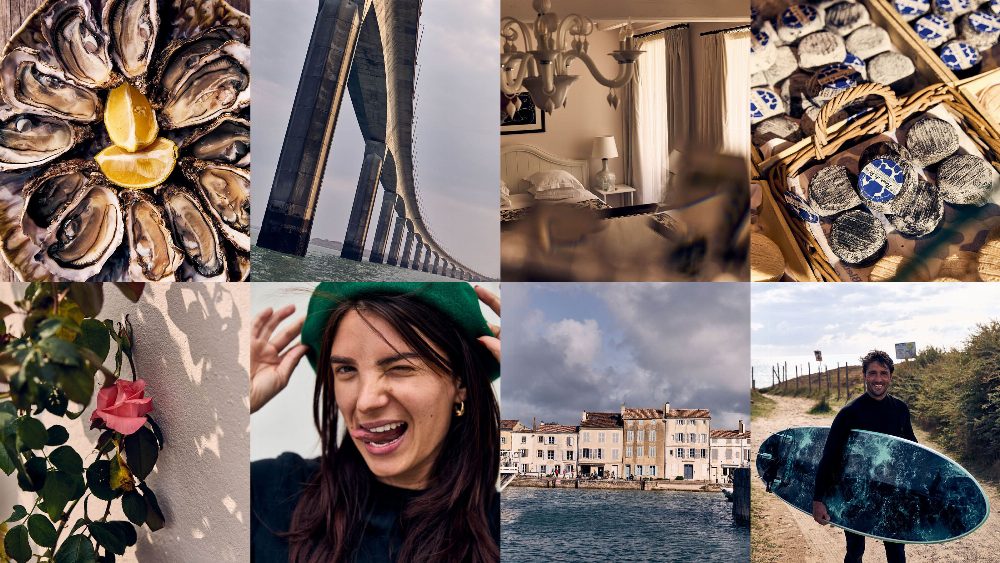
Just off the southwest coast of France lies Île d’Aix, a quaint island steeped in history. Known as Napoleon's last stop on French soil before his exile, it offers more than just a glimpse into the past. With its charming whitewashed cottages and a population of about 200, this car-free commune is a tranquil escape, drawing day-trippers and schoolchildren keen on history.
As I awaited the opening of the Napoleon Museum, situated in the commander’s house, I listened to local teens share haunting tales of the Catholic priests who perished on prison ships during the Revolution. The museum, adorned with a stone imperial eagle, serves as a poignant reminder of the past, while the island's natural beauty captivates the senses. Pine forests and apricot-colored sands replace the remnants of military fortifications, reflecting a serene landscape that likely would have struck a chord with Napoleon.
The Charente archipelago, which includes Île d’Aix, Oléron, and Ré, boasts a mild climate and picturesque scenery. Ré and Oléron are particularly famous for their oyster beds and salt marshes, where centuries-old harvesting traditions continue. Ré, a favorite among Parisians, features beautiful stone-flagged streets and a vibrant community atmosphere, while Oléron, the largest of the islands, offers a more laid-back vibe infused with fresh air and colorful bougainvillea.
As summer approaches, the islands burst into life. Visitors flock from the mainland, crossing bridges to enjoy the vibrant towns. In Saint-Martin-de-Ré, families stroll along the port, where I couldn’t resist indulging in La Martinière’s famous elderflower sorbet sundae. The ambiance is undeniably French, with bicycles leaning against walls and the sounds of laughter echoing through the streets.
In the charming village of Ars-en-Ré, a leisurely visit to the bakery reveals a line of locals eager for quiches and apricot tarts. The community exudes civility and charm, with artful shops and scenes reminiscent of Balzac’s novels. Wandering through the streets, I encountered an elderly doctor dispensing wisdom from his doorstep, adding to the village's enchanting atmosphere.
The islands are not only rich in history but also in gastronomic delights. From well-kept campsites to coastal shacks offering freshly harvested oysters, the local cuisine is a highlight. Markets brim with delectable offerings, from roasted pork to caramelized egg flans. I chatted with Morgan Cerceau, a local vendor, who expressed his love for the islands’ tranquil lifestyle, devoid of traffic lights and billboards.
Fresh produce thrives here, particularly the white potatoes that carry a unique flavor from the limestone soil, and the artisanal salt, referred to as “white gold.” These products have shaped the region’s history and economy, with salt production dating back to the 11th century. The island’s marshes, perfect for cycling, are a testament to the area’s natural beauty and rich agricultural heritage.
In summary, the islands of Île d’Aix, Oléron, and Ré are a treasure trove of history, culture, and culinary experiences. From the echoes of Napoleon's past to the vibrant local markets, these islands are a summer secret worth discovering.
Source: www.cntraveller.com
#Charente archipelago #Île d’Aix #Napoleon #Oléron #oysters #Ré island