Exploring Guadalajara: A Journey Through Art, Architecture, and Culinary Delights
By Editor • August 31, 2026 • 3 min read
Guadalajara, Mexico’s vibrant second city, offers a captivating blend of art, food, and history that leaves a lasting impression on visitors. On my second day there a decade ago, I was greeted by the sun and a hangover from the previous night’s escapades at Mezonte, where agave spirits flowed freely, and I danced at Pare de Sufrir—an apt name for my state that morning.
Seeking relief, I embarked on a journey through the city's cultural heart, starting in the Colonia Americana. This neighborhood is renowned for its thriving restaurant scene and artistic vibe, leading me to the Hospicio Cabañas. This early-19th-century orphanage-turned-museum is home to murals by the renowned José Clemente Orozco, whose work captures the tumultuous history of Mexico. Among the frescoes, the central dome features the striking figure of a Promethean prophet, symbolizing the pursuit of knowledge and labor. The experience was profound, leaving me nearly in tears—a testament to Orozco’s emotional power.
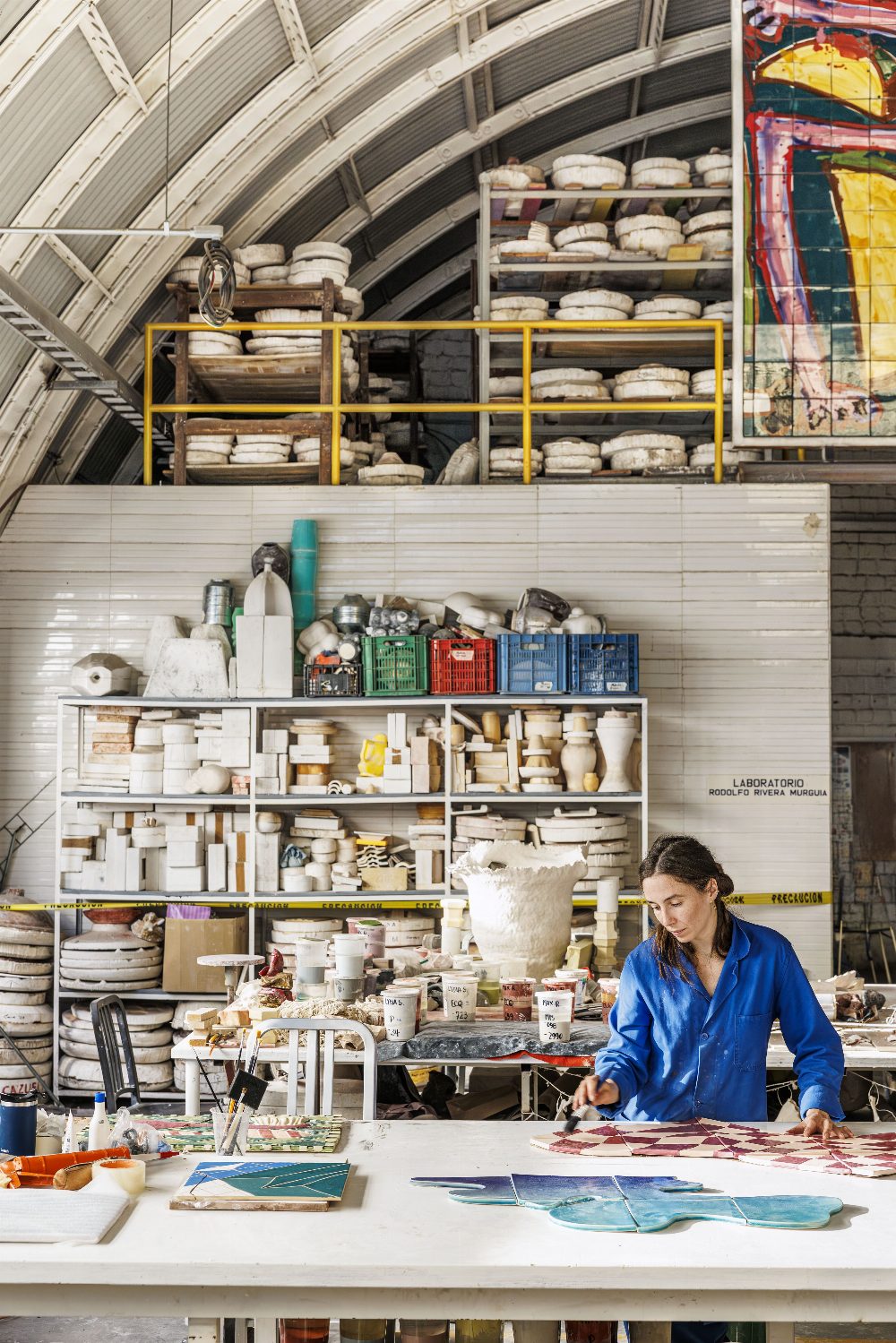
Since that first visit, I have returned to Guadalajara numerous times, drawn back by its enchanting atmosphere and the allure of its artistic traditions. The city is a treasure trove of artisanal practices, known locally as oficios, which represent a wide array of crafts from ceramics to culinary arts. Oliver Pendragón, a local architect, emphasized this during a recent visit to the Mercado San Juan de Dios, a striking Brutalist structure that serves as a bustling hub for commerce. He guided me through its vibrant corridors filled with diverse stalls, showcasing everything from food to leather goods.
With a history dating back to 1542, Guadalajara has evolved into a commercial capital. However, the city's architectural narrative is marred by a history of demolitions in the name of modernization. Pendragón voiced a poignant concern regarding the loss of historic properties, noting that it has led to a diminished architectural memory among the Tapatíos, as residents are known.
Despite this, Guadalajara boasts a unique architectural identity that combines historical charm with modern innovation. The following day, I joined design researcher Francisco Chavarría for a tour of La Americana, the birthplace of modern architecture in the city. We strolled past eclectic Beaux Arts villas and functionalist schools, witnessing the integration of local materials and craftsmanship in the buildings. Chavarría pointed out how this tradition informs contemporary design, creating spaces that resonate with the city's cultural identity.
One standout example is Plataforma, a contemporary art space that exemplifies Guadalajara's commitment to craft and creativity. Architect Sergio Ortiz transformed an old funeral home into a vibrant venue, showcasing the city’s artistic pulse. José Noé Suro, cofounder of Plataforma, highlighted its role as a cultural hub, reflecting the dynamic art scene in Guadalajara.
I spent the afternoon exploring the artistic offerings in La Americana, from galleries to designer workshops. At Alejandro Julián Núñez’s studio, I marveled at hand-embroidered guayaberas, while nearby, Albergue Transitorio showcased an impressive array of textiles. The creativity permeating every corner of the city speaks to the rich tapestry of life in Guadalajara, where the past and present intertwine seamlessly.
Source: www.cntraveler.com