Exploring Japan at a Leisurely Pace: The Rise of Walking Tours
By Editor • August 17, 2026 • 3 min read
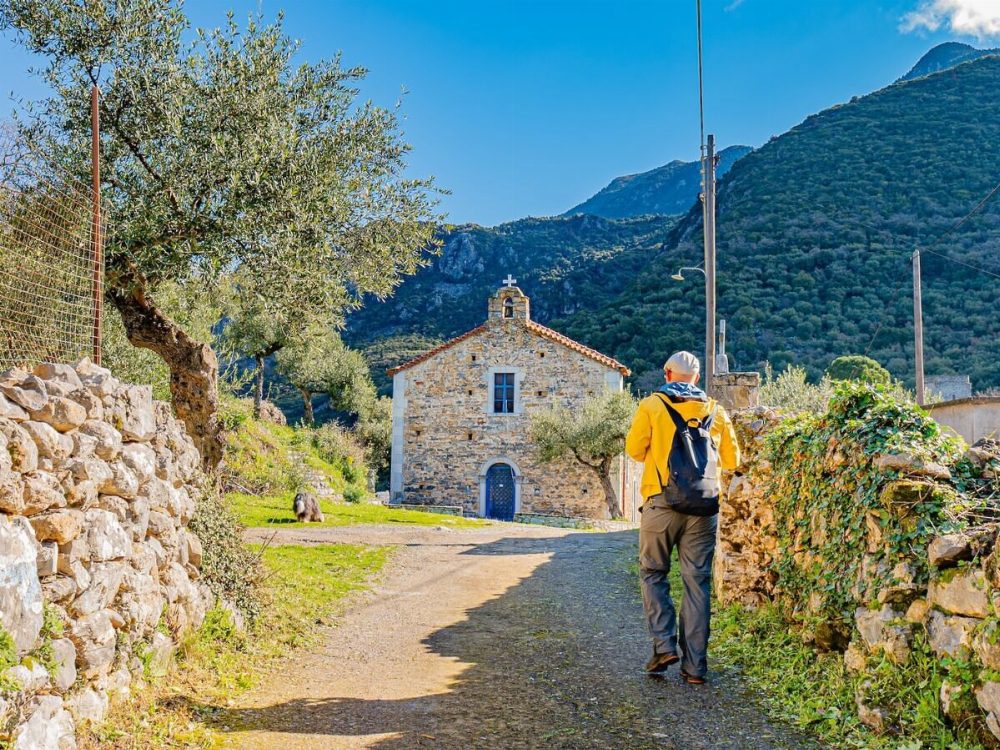
In a world where speed often reigns supreme, a growing number of travelers are opting for a more leisurely approach to exploration. Forget the rush to conquer trails or complete strenuous hikes; many are embracing the experience of simply being outdoors, savoring the scenery at a relaxed pace. This shift is gaining traction in the travel industry, especially with an increasing focus on walking tours.
Last fall, I embarked on a week-long journey along Japan's Izu Geo Trail, an experience that opened my eyes to the rising popularity of multi-day walking tours. Contrary to my previous assumptions about outdoor activities, I discovered that walking tours are thriving, with repeat customers and waiting lists, signaling a significant shift in traveler preferences.
The Adventure Travel Trade Association (ATTA) has reported that walking, hiking, and trekking have become the most sought-after activities globally. According to their 2026 industry report, these activities have surpassed traditional adrenaline-pumping adventures, appealing instead to a demographic that values meaningful connections with nature and culture.
Data from ATTA shows a staggering growth in the adventure travel market, expected to hit $1.16 trillion in 2024, up from $966 billion in 2023. Interestingly, 67% of international travelers now identify as “Open to Adventure,” seeking less extreme, more accessible experiences. This trend is echoed by the Outdoor Industry Association's findings, which reveal that the number of American hikers has doubled since 2012, suggesting a move towards casual outdoor participation.
Walking tours are benefitting significantly from this trend. Jasper Verlaan, head of sales at walking tour operator Macs Adventure, noted a 20% increase in travelers joining their walking tours in 2025 compared to 2023. The appeal of walking tours extends beyond the physical act of walking; they offer authentic local food, cultural experiences, and a deeper connection to the environment.
During my journey on the Izu Peninsula, I encountered others who, like me, were less enthusiastic about the act of walking itself and more excited about the unique opportunities it presented. From wasabi farms to serene waterfalls, the beauty of the landscape was complemented by the chance to engage with local culture.
Japan itself is embracing this shift in tourism, promoting the idea of walking tours as a means to enhance visitor experiences while benefiting local communities. The country recorded over 42 million international arrivals in 2025, yet many tourist hot spots remain overcrowded while other regions see little foot traffic. The government is keen to balance visitor numbers with residents' quality of life, with new initiatives aimed at encouraging tourists to explore less-visited areas.
Walking tours align perfectly with this strategy, dispersing visitors across rural regions and supporting small family-run businesses. Each day of my walking adventure took us through different towns, allowing us to stay in local inns and dine in small eateries that would have remained undiscovered on standard bus tours.
As travelers increasingly value immersive experiences over quick sightseeing, walking tours provide a perfect solution. They allow for a connection with the landscape, culture, and people that cannot be replicated in a conventional setting. In this fast-paced world, there's something undeniably enriching about taking the time to explore at a leisurely pace.
Source: matadornetwork.com
#Izu Peninsula #Japan #outdoor activities #Travel Trends #walking tours