Exploring South Africa's Botanical Oddities: A Journey Through Nature's Strangest Plants
By Editor • August 18, 2026 • 2 min read
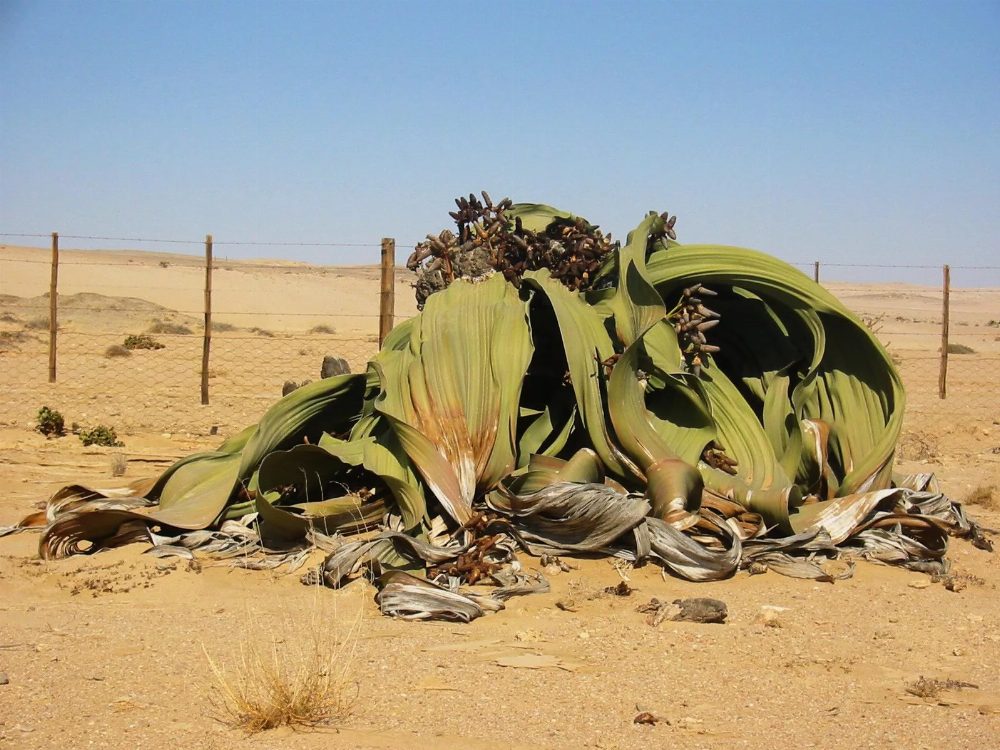
South Africa's diverse landscapes not only boast stunning vistas but also harbor some of the world’s most peculiar plants, each with unique adaptations for survival. From humanoid succulents to living stones, the country’s botanical wonders offer an adventure for nature lovers willing to explore beyond the ordinary.
One of the most striking examples is the halfmens (Pachypodium namaquanum), found in the Richtersveld National Park in the Northern Cape. Resembling a person standing against the stark desert, the name 'halfmens' translates to 'half human'. Local Nama communities regard this plant as a symbol of their ancestors. However, it faces threats such as habitat loss and illegal harvesting, earning it a Critically Endangered status. The best way to observe these unique plants is through the scenic Halfmens Pass, where visitors can immerse themselves in the park’s rugged beauty.
Another fascinating plant is the Lithops, often mistaken for pebbles due to their clever camouflage. These tiny succulents thrive in arid regions of South Africa and Namibia, blending seamlessly into the rocky terrain. However, certain species like the Lithops werneri are critically endangered, with fewer than 200 left in the wild. Travelers are encouraged to admire these natural wonders from a distance to preserve their delicate habitats.
Moving to the Western and Eastern Cape, the elephant’s foot (Dioscorea elephantipes) captures attention with its prehistoric appearance. Its swollen trunk, resembling a cracked stone, allows it to survive in extreme temperatures. This unique plant remains dormant during the scorching summer months, conserving energy until the cooler seasons. It can be spotted along picturesque routes through the Cederberg and Karoo, rewarding those who seek out its hidden charms.
In the Northern Cape and beyond, the quiver tree (Aloidendron dichotomum) stands tall with its striking silhouette. Known as kokerboom in Afrikaans, these trees have hollow branches traditionally used to make quivers. While they present an iconic image of the arid landscape, climate change poses significant challenges to their populations. Observing a quiver tree in its natural habitat offers insight into the resilience and adaptations of flora in a changing environment.
The Hoodia plant, known as the Bushman’s hat, adds another layer of intrigue. Found in the Northern Cape and southern Namibia, Hoodia gordonii thrives in hot, dry conditions. Its unusual flowers emit a scent akin to rotting meat, attracting specific pollinators. Traditionally utilized by San communities for its thirst-quenching properties, Hoodia's increasing commercial interest raises ethical questions about traditional knowledge and sustainable practices.
Lastly, the majestic baobab trees (Adansonia digitata) found in Limpopo present a striking contrast to the arid landscapes. These giants can grow up to 25 meters tall and are often referred to as upside-down trees. Their immense trunks and stunning white flowers that bloom at night create a unique ecosystem. For travelers, encountering a baobab adds a magical dimension to their botanical exploration.
Source: www.getaway.co.za
#Baobabs #Elephant's Foot #Halfmens #Hoodia #Lithops #Quiver Trees