Facing Adversity: Gaza Mothers Strive to Nourish Their Infants Amid Conflict
By Editor • August 19, 2026 • 2 min read
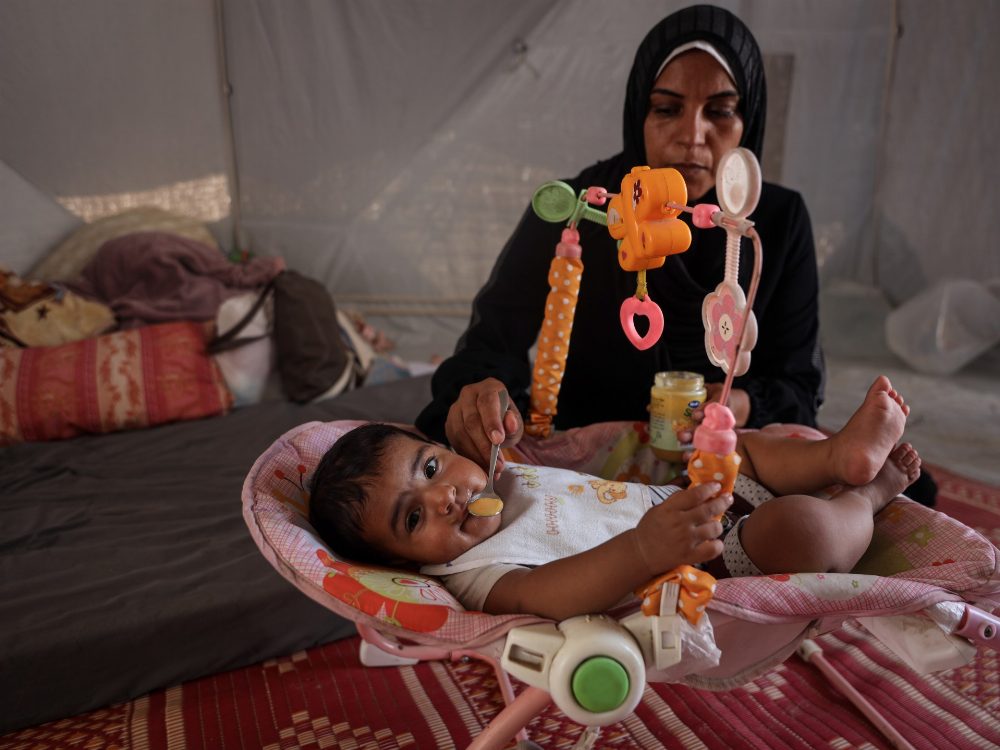
In the heart of Deir el-Balah, mothers navigate the complexities of motherhood in a war-torn Gaza. Eman Huneidq, a 38-year-old mother of three, makes her weekly visits to the Mother and Child Corner at Hikr al-Jame’ Health Centre, accompanied by her nine-month-old daughter, Ward. Eman's journey into motherhood has been fraught with challenges, including her health issues and the dire circumstances created by ongoing conflict.
Eman’s pregnancy was a struggle, marked by a late discovery and complications due to her diabetes. Living in northern Gaza, she faced displacement as she moved south, trying to escape the violence that has engulfed the region. After a difficult birth, she was left with painful breastfeeding issues, exacerbated by a lack of access to medical supplies due to Israeli restrictions.
At the health center, Eman finds support from Sabreen al-Buhaisi, a breastfeeding specialist who oversees the program that aids around 400 to 500 women each month. Al-Buhaisi emphasizes that the challenges of war—displacement, loss, and economic hardship—greatly impact women's breastfeeding practices and beliefs. The center aims to create a supportive environment, not just for mothers but for their families, engaging partners and relatives in the process.
“We do not limit the service to counselling the woman,” al-Buhaisi explains. “We work with the whole family.” This holistic approach is crucial in a region where the psychological toll of war heavily weighs on mothers. For Eman, the guidance has been invaluable, helping her manage her diabetes while learning to breastfeed amidst her family's severe food insecurity.
Another mother, Hiba al-Masri, shares a similar plight. At just 23 years old, she has already endured the loss of her three-month-old son, Yusuf's sibling, during the conflict. Now living in a tent with her husband and extended family, Hiba faces the challenges of caring for a newborn in cramped conditions. Yet, she remains committed to breastfeeding, recognizing its importance over formula, which is both scarce and costly in Gaza.
“Breastfeeding is a million times better than formula,” Hiba asserts, despite the daily pressures of motherhood in a war zone. The support from the Mother and Child Corner has been pivotal for her, enhancing her ability to care for Yusuf even amid the chaos.
Iman Abu Ouda, another breastfeeding specialist at the center, highlights the logistical barriers many mothers face in accessing healthcare. Transportation is often scarce, and those who do make it to the clinic frequently contend with inadequate living conditions. Emotional and psychological stresses also hinder breastfeeding, as many mothers express feelings of inadequacy linked to their circumstances.
Despite the dire conditions outside the clinic, Eman remains resilient, driven by her desire to provide for Ward. “We mothers can endure these circumstances, but what is the fault of our children?” she reflects, expressing a deep commitment to nurturing in a world filled with uncertainty and hardship.
Source: www.aljazeera.com