Fatah and Dahlan Bloc Engage in Talks as Palestinian Elections Approach
By Editor • August 25, 2026 • 2 min read
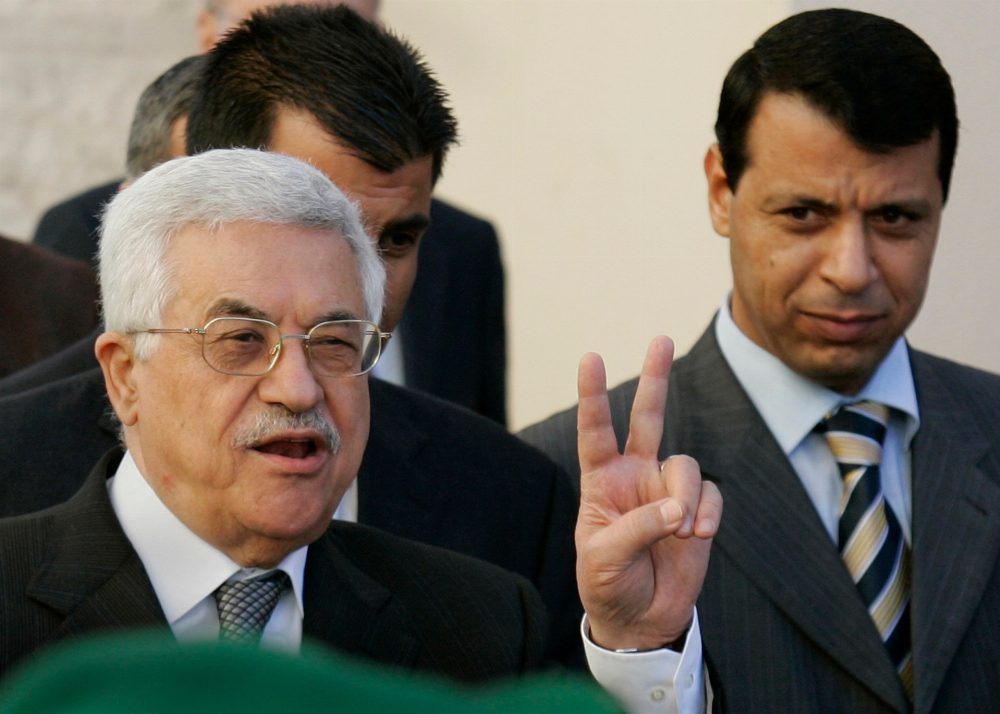
In a pivotal meeting held in the Egyptian city of Alamein, delegations from the Fatah movement and the Democratic Reform bloc, led by former Fatah official Mohammed Dahlan, have begun reconciliation discussions in the lead-up to upcoming Palestinian legislative elections.
The high-stakes talks, convened on Monday, are critical as tensions rise among rival groups, including Hamas, which is also exploring the formation of a coalition that could challenge Fatah's dominance in the November elections. Leading the discussions were PA Vice President Hussein al-Sheikh and Democratic Reform's deputy leader Samir al-Mashharawi.
While al-Mashharawi reported a positive atmosphere at the talks, he noted that no concrete agreements had been reached. He emphasized the necessity for PA President Mahmoud Abbas to make decisive moves to unify Fatah, indicating ongoing fractures within the party. "Everyone who was subjected to unjust decisions inside the Fatah movement must have their rights returned," he asserted.
Adding to the complexity, Hamas has engaged in dialogues with Democratic Reform, Palestinian Islamic Jihad, and the Popular Front for the Liberation of Palestine. This emerging coalition—especially significant given the historical animosity between Hamas and Dahlan during the latter's tenure as a key Fatah figure in Gaza—has raised alarms among Fatah leaders, prompting this crucial meeting.
Political analyst Ahmed al-Tanani noted that Fatah's primary objective is to thwart Dahlan's potential coalition with Hamas, suggesting that the formation of a united opposition could complicate Abbas's leadership strategy. This potential alliance may highlight Fatah's internal divisions, particularly as Democratic Reform remains tied to the Fatah legacy.
Eyad al-Qarra, a Gaza-based analyst, pointed out that a partnership between Dahlan and Hamas could enhance Hamas's legitimacy should it secure electoral victory. Additionally, it would allow Dahlan to rehabilitate his image on the international stage, positioning him as a leader capable of fostering unity among various Palestinian factions.
The discussions also tie into broader succession concerns within Fatah, with Dahlan seen as a potential contender for leadership as Abbas, now 90, faces increasing scrutiny and opposition. However, al-Tanani cautioned that reintegrating Dahlan into Fatah could destabilize the current leadership structure, particularly affecting Abbas's son, Yasser, who is also vying for influence within the party.
International dynamics are influencing Abbas's decision to proceed with elections, which he has postponed multiple times. The push for elections aligns with a reform agenda supported by European and Arab nations, including a Franco-Saudi initiative aimed at revitalizing the political landscape.
For Dahlan, the elections present a vital opportunity to re-enter Palestinian politics formally, leveraging his connections and influence despite his years of exile in the UAE. Analysts highlight that the outcome of these elections could significantly reshape the Palestinian political landscape, although questions linger about their feasibility and the potential for Abbas to delay them again if he perceives a threat from the opposition.
Source: www.aljazeera.com