Flipkart's Quick Commerce Surge: Closing In on India's Delivery Leaders
By Editor • August 23, 2026 • 2 min read
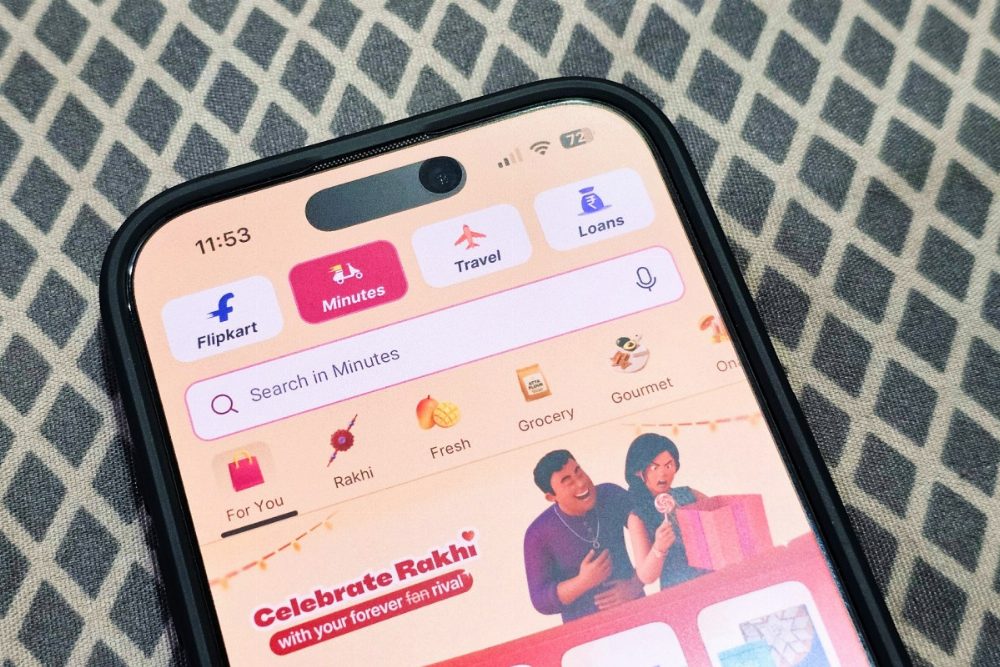
In an impressive turnaround, Walmart-owned Flipkart is making significant strides in the quick-commerce sector in India, rapidly catching up to established competitors like Swiggy's Instamart. Since launching its Flipkart Minutes service in August 2024, the platform has escalated its daily order volume from around 400,000 to between 1.1 million and 1.2 million, according to sources familiar with the operations.
This remarkable growth positions Flipkart just behind Instamart, which is currently delivering about 1.4 million orders daily. The quick-commerce arena, primarily dominated by Swiggy's Instamart, Blinkit, and Zepto, has seen these players establish a strong foothold since the pandemic.
Blinkit, the sector leader, commands approximately 3.4 million to 3.6 million daily orders, while Zepto trails at around 2.4 million to 2.6 million. Despite Flipkart being a relatively recent entrant, its aggressive expansion strategy is narrowing the gap, particularly with Instamart.
Swiggy's Instamart boasts more than 14 million monthly users and operates over 1,200 dark stores in more than 130 cities. Recently, Swiggy reported substantial progress in reducing Instamart's contribution-margin losses, with over 45% of its dark-store network now profitable. In contrast, Flipkart has ramped up its micro-fulfillment centers to between 1,020 and 1,050, a significant increase from 600 in January 2024.
This expansion is crucial for Flipkart as it targets a goal of 1,500 micro-fulfillment centers by 2026. The company is benefiting from a pre-existing customer base acquired over years, giving it an edge in tapping into demand for quick deliveries.
Moreover, Flipkart Minutes is witnessing high customer retention, with 65% to 70% of users making repeat purchases each month. Customers are also spending more, with average orders ranging from ₹400 to ₹500 (approximately $4.20–$5.20). The service is diversifying its offerings, including higher-end products, to attract a broader customer base.
Despite the rapid growth, Flipkart has managed to improve its delivery times, reducing the average wait to about 11 minutes from 13 minutes last year. This shift toward quick commerce is reflective of changing consumer preferences in India, where instant gratification is becoming the norm.
As Flipkart enhances its capabilities in quick commerce, Amazon is also intensifying its efforts in the Indian market, with plans for its Amazon Now service to expand significantly.
Source: techcrunch.com