French Agriculture Faces Catastrophic Drought and Heat Crisis
By Editor • August 11, 2026 • 3 min read
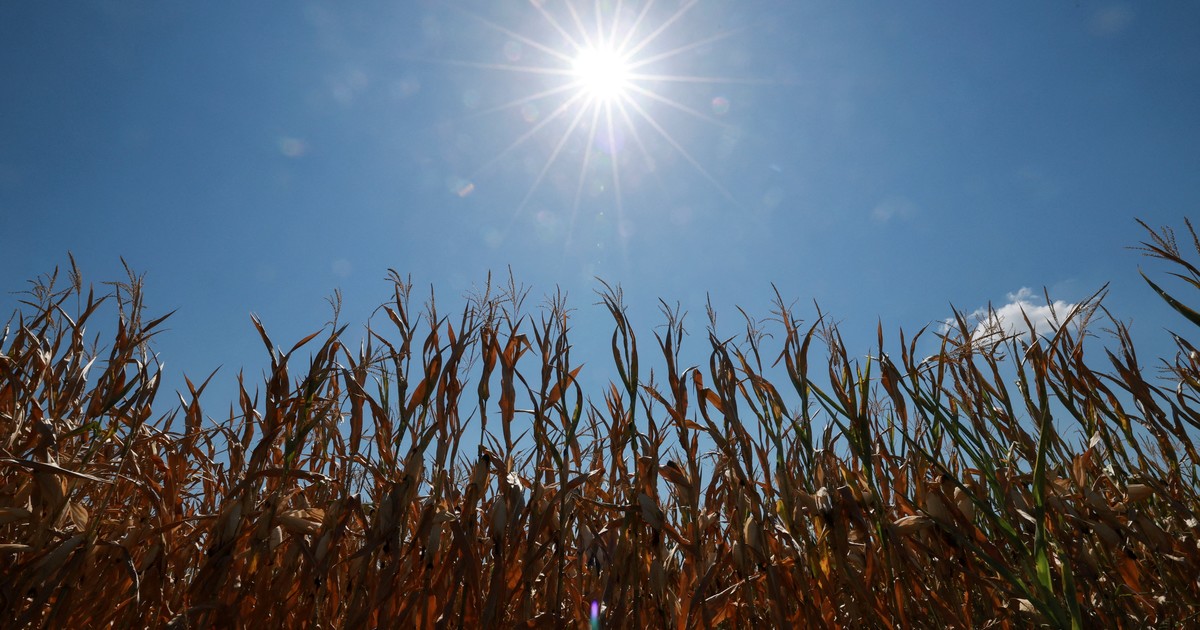
France's agricultural landscape is in dire straits, resembling a desolate expanse of yellowed grass rather than the lush fields of wheat it typically boasts. With the country engulfed in an unprecedented drought and extreme heat, local farmers are experiencing an overwhelming sense of despair as their crops wither under the relentless sun.
Farmers who previously banded together to combat forest fires now find themselves battling a different crisis—one marked by the severe impacts of climate change. With temperatures soaring to over 40 degrees Celsius, they describe a profound exhaustion, both moral and physical, as they witness the devastation of their livelihoods. The loss of crops due to the extreme heat and lack of water has led to fears of food shortages across the nation.
The current conditions have been termed an "annus horribilis" by many, echoing sentiments from Queen Elizabeth II. As France grapples with its fifth heat wave of the summer, farmers across various sectors—including horticulture, viticulture, and livestock—are sounding the alarm on the catastrophic effects of this relentless weather.
According to Météo-France, July 2026 has become the hottest and driest month on record since measurements began in 1900. This alarming statistic highlights the severity of the drought, as soil moisture levels are reported to be even lower than in the previous drought years of 2022 and 2025. The repercussions are wide-ranging, affecting not just staple crops like wheat and corn, but also vegetables, legumes, potatoes, and fruits, with initial estimates predicting yield losses of 30% to 70% in some areas.
The financial implications are staggering, with agricultural losses amounting to billions of dollars. Farmers are urgently requesting financial aid from both the French government and the European Union to help them navigate this crisis. Serge Zaka, an agroclimatology expert, warns that the situation is more dire than during the last severe drought, indicating that the agricultural sector may be facing one of its most significant disasters since 1945.
As the crisis unfolds, the visible impact of climate change is stark—fields scorched by the sun, wilting trees, and empty orchards paint a grim picture of the future. Notably, producers of fruits and vegetables are among the hardest hit, with some specialized farms reporting total losses of their berry crops. In Brittany, certain farms have run out of water and are unable to irrigate, forcing them to consider closure without government assistance. Additionally, reports indicate that up to 30% of orchards and fruit farms in Deux-Sèvres are struggling to survive.
The livestock sector is equally troubled. Zaka estimates that forage and pasture production has dropped by about 30%. Dairy production is plummeting as cows, already stressed by high temperatures, become less productive and more vulnerable to heat-related mortality. For instance, dairy farmers are witnessing a 10% drop in milk production, with calf mortality rates rising dramatically during heat waves.
Despite the dire circumstances, farmers remain resilient, but their endurance is being tested like never before. The overarching sentiment is one of urgent need for support as they confront a crisis that threatens not only their livelihoods but also the food security of the nation.
Source: www.clarin.com